
There is no worse moment for a wireless mic to fail than the second verse of your best song, in front of a room full of people who came to hear you. A wired mic can be a nuisance, but a wireless mic that drops syllables, hums, or dies on a dead battery takes the whole show down with it. That is the failure mode this roundup is built around.
After working through the specs, the owner reviews, and the recurring forum complaints for a dozen systems, the Shure BLX24/PG58 is the best wireless microphone system for live performance for most singers, worship leaders, and small bands. It is a single handheld channel on the H9 UHF band, up to 300 ft of line-of-sight range, and up to 14 hours on two AA batteries, wrapped in a metal body that shrugs off a tour case. If you need more than one voice at once, the dual-channel Phenyx Pro PTU-71-2H does the same job with twice the channels and auto-scan.
This list covers handheld vocal systems, hands-free headset and lavalier kits, and one clip-on instrument system for brass and woodwind players. Every entry below carries a caveat, because a roundup where nothing fails is a sales page, not advice. We also explain what each tier actually buys you, and where a wired mic or a cheap 2.4GHz kit is the smarter call. If you are still building a full rig, our portable PA system guide covers the other half of the signal chain.
Table of Contents
Top 3 Best Wireless Microphone Systems

The Shure takes the top slot on the strength of its capsule and its build rather than its feature list. The Phenyx PTU-71-2H wins on value because two channels of tunable UHF with auto-scan and IR sync is a genuinely useful package, and it carries the second-highest review count in this group. The PTU-5000-4H earns its place for anyone running a karaoke night or a four-person worship set where fixed channels and per-mic volume controls are simpler than scanning.
Every Wireless Mic System Side by Side in 2026
| Product | Specifications | Action |
|---|---|---|
 Shure BLX24/PG58 Shure BLX24/PG58 |
|
Check Latest Price |
 Phenyx Pro PTU-71-2H Phenyx Pro PTU-71-2H |
|
Check Latest Price |
| Phenyx Pro PTU-5000-4H |
|
Check Latest Price |
 innopow WM500 innopow WM500 |
|
Check Latest Price |
 TONOR 4-Bodypack Kit TONOR 4-Bodypack Kit |
|
Check Latest Price |
 TONOR 8-Channel Kit TONOR 8-Channel Kit |
|
Check Latest Price |
 Pyle PDWMU211 Pyle PDWMU211 |
|
Check Latest Price |
 Shure BLX14/P31 Shure BLX14/P31 |
|
Check Latest Price |
 Shure BLX14/B98 Shure BLX14/B98 |
|
Check Latest Price |
 Phenyx PTU-6000-8H Phenyx PTU-6000-8H |
|
Check Latest Price |
 Sennheiser XSW 1-835 Sennheiser XSW 1-835 |
|
Check Latest Price |
 AKG SR45 Vocal Set AKG SR45 Vocal Set |
|
Check Latest Price |
Every system above needs a PA, a powered speaker, or a mixer to be heard. A wireless microphone contains no speaker of its own, so the receiver has to land somewhere in your signal chain before an audience hears anything.
1. Shure BLX24/PG58 – Best Overall Wireless Handheld for Live Performance
Shure BLX24/PG58 Wireless Vocal Microphone System – H9 Band
H9 UHF band 512-542 MHz
Up to 300 ft line-of-sight
Up to 14 hours on two AA batteries
Single channel, XLR output
Pros
- Excellent clarity with no reported feedback problems
- Roughly 12 hours of practical AA runtime
- Road-worthy metal construction
- QuickScan auto-finds an open channel
- Cardioid PG58 capsule cuts stage noise
Cons
- Handling noise when picked up off a boom
- Only a simple on/off battery light with no status readout
This is the system I hand to a singer who has one vocal, a normal room, and a mixer. The PG58 capsule is the same unidirectional dynamic design that has fronted countless stages, and it is the reason the mic sounds like a vocal mic rather than a broadcast mic.
Owners report that clarity holds up with no feedback problems in regular use, and that two AA batteries realistically carry a full set with room to spare. The metal shell survives regular touring, which is the part that matters more than any spec line.
QuickScan handles frequency selection in a couple of presses, and the system supports up to 12 compatible systems on the same band if you later add channels. The signal-to-noise ratio is listed at 78 dB, which is honest for a UHF analog system and audible in a quiet room rather than on a loud stage.
The included BLX4 receiver has an XLR output, so it drops into a mixer channel like any wired mic. Rated range of up to 300 ft is a line-of-sight ceiling, so treat a small room as comfortably inside it and a stadium as outside it.
When the Shure BLX24/PG58 is the right call
Buy it if you sing one microphone, you want a capsule that is genuinely stage-proven, and you would rather not think about RF at all. It is the safest single-mic decision in this roundup.
Two-year limited warranty coverage and a replaceable capsule head make it a long-term purchase rather than a consumable. Bands of up to a handful of vocalists can each carry one on the same frequency band.
Where it will disappoint you
Handling noise is the complaint that comes up most, and it is real: lifting the mic off a boom and moving it makes the grille audibly rustle. If your act involves a lot of handheld movement, expect to work with it.
There is no battery percentage or channel readout on the mic body, only a light. And it is a single-channel system, so a duet or a worship team needs separate receivers.
2. Phenyx Pro PTU-71-2H – Best Value Dual-Channel UHF System
Phenyx Pro Dual UHF Auto Scan Handheld Wireless Microphone System PTU-71-2H
2 UHF channels, 200 frequencies
290-328 ft line-of-sight
Up to 16 transmitters simultaneously
Dual XLR plus 1/4-inch output
Pros
- All-metal receiver and mics
- Auto-scan with IR sync pairs in seconds
- Dual XLR plus combined 1/4-inch output
- 15-16 hours of AA runtime
- Fast and helpful customer service
Cons
- Rubber power button wears out first
- Indicator light only flashes momentarily
- Mics run hot and need gain reduction
- Not rack-mountable without a workaround
Dual channels is the feature that makes this the value pick of the roundup. A single receiver now covers a duet, a host plus a guest, or two singers, which is the configuration most people actually need and the one most single-mic kits refuse to cover.
The spec sheet lists 2 x 100 selectable UHF frequencies, a 290-328 ft line-of-sight range, and support for up to 16 transmitters in a multiset. Signal-to-noise ratio is listed at 98 dB, a full 20 dB above the Shure above.
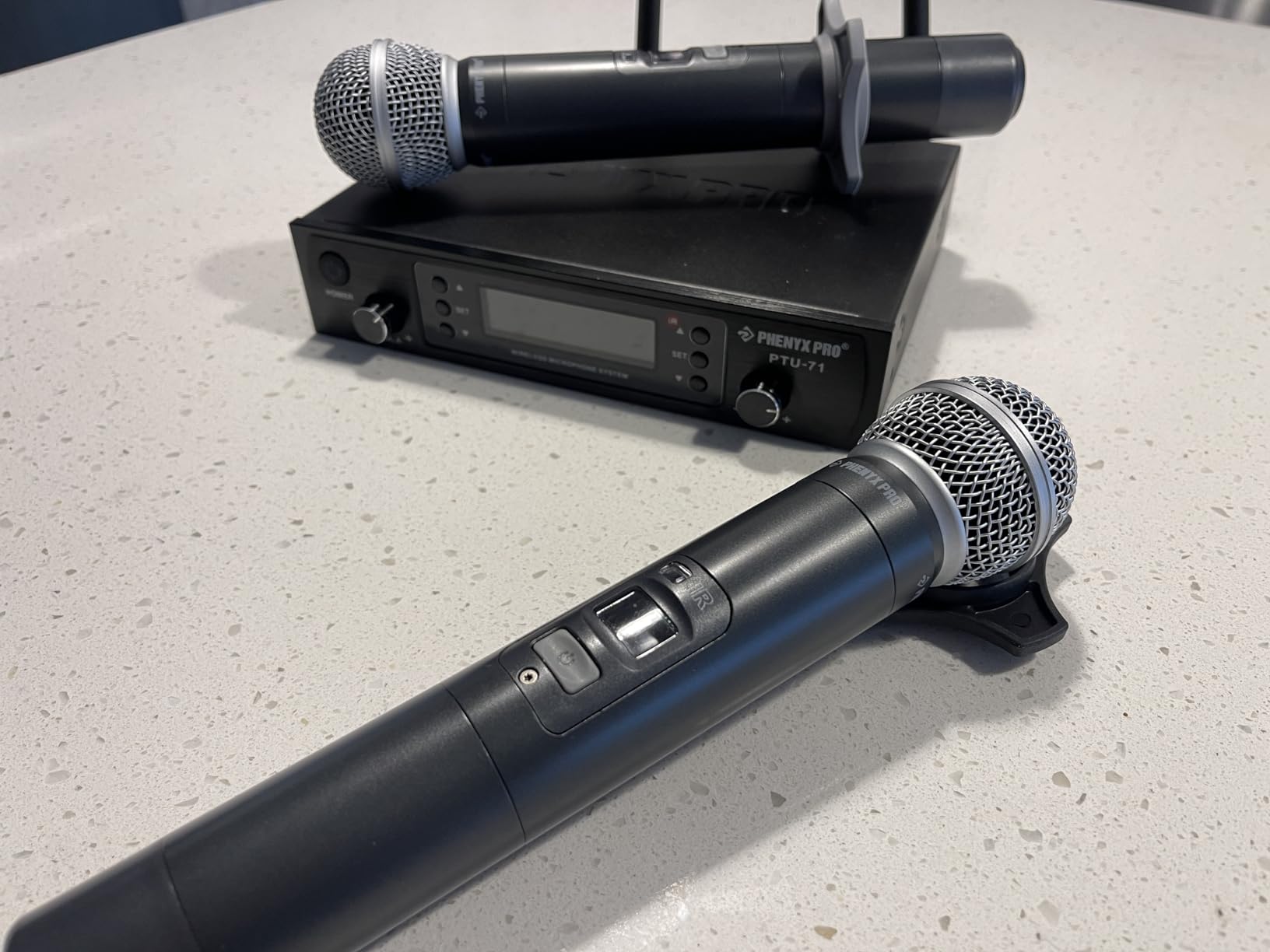
Auto-scan finds a clean frequency and locks it, and IR synchronization pairs a microphone in seconds. For a band that does not want to memorise channel numbers, that is the feature that saves real time at load-in.
The cardioid dynamic capsule is tuned to a Harman-like curve, and the microphone head is replaceable rather than disposable. Everything in the box is metal: receiver, mics, and a solid 200 ohm output impedance.
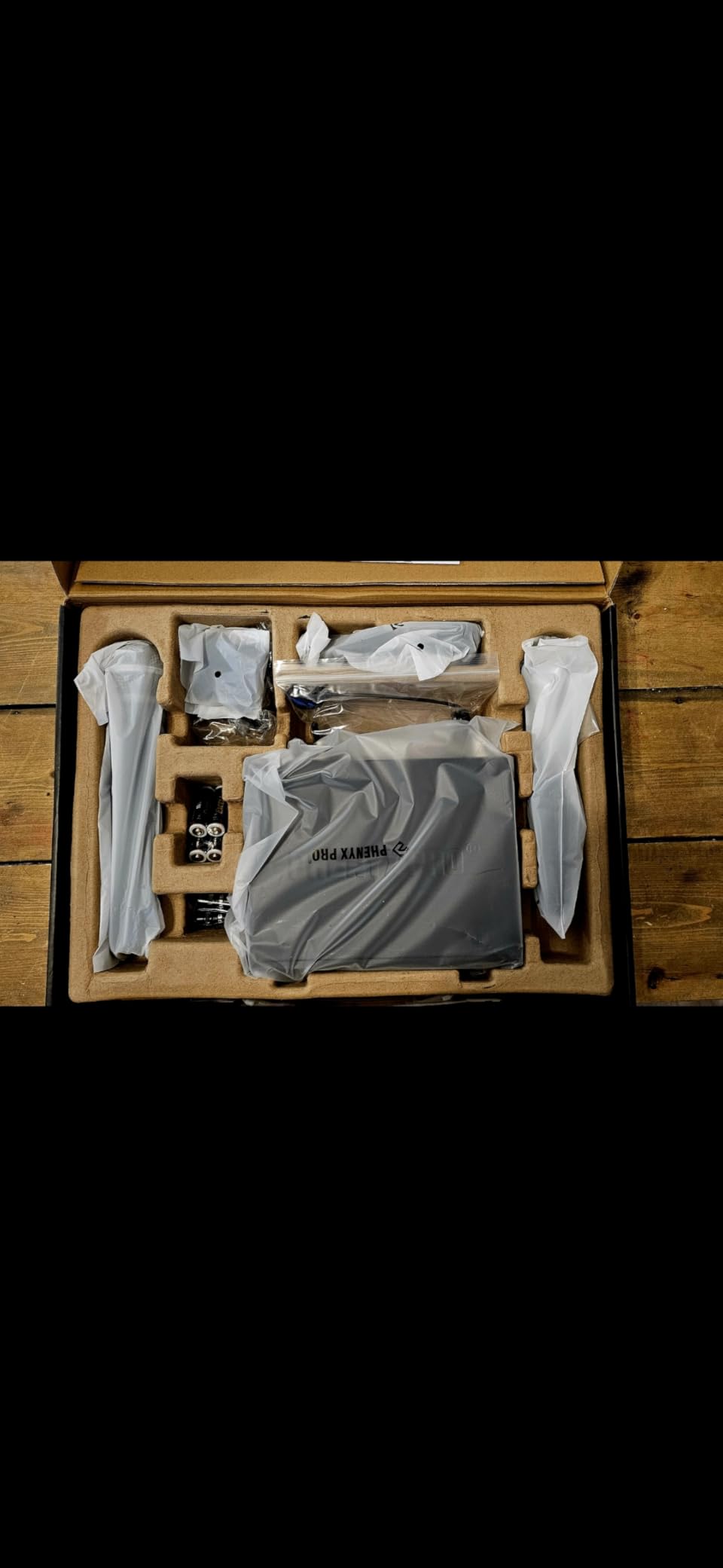
Routing is flexible in a way most budget dual systems are not. You get individual XLR outputs for each channel plus a combined 1/4-inch output, so a two-channel mixer board or a karaoke machine can take the pair as a single feed.
The included 1/4-inch cable and 6.5 mm to 3.5 mm adapter mean most setups need no extra adapters. Owners running church, karaoke, and DJ work report roughly 15-16 hours of AA runtime per set of batteries.
When the Phenyx PTU-71-2H is the right call
This is the system I recommend for a duo, a worship pair, or a host and guest who both need freedom of movement. Two independent XLR outputs in one box is the feature that makes it worth the step up from a single-channel kit.
It suits anyone who wants tunable UHF with auto-scan but does not want to pay touring-tier money. The 98 dB signal-to-noise figure gives it a quiet floor that holds up in a room with a lot of air conditioning noise.
Where it will disappoint you
The mics run hot, so you will pull gain back relative to a wired vocal mic. Expect to spend a few minutes on gain staging at sound check rather than plugging in and singing.
The rubber power button is the part owners flag as the first thing to wear out, and the indicator only flashes momentarily, so on/off state is hard to read at a glance. The receiver also is not rack-mountable without a shelf or improvised mount.
3. Phenyx Pro PTU-5000-4H – Best Four-Channel System for Karaoke Nights
Phenyx Pro 4-Ch UHF Fixed Frequency Wireless Microphone System PTU-5000-4H
Four fixed UHF frequencies
Up to 260 ft operating range
LCD readout with per-mic volume
Four XLR plus 1/4-inch output
Pros
- Heavy-duty all-metal build that survives drops
- Four preset frequencies pair automatically
- Individual volume controls and four XLR outputs
- Long AA battery life
- Owners buy multiple systems
Cons
- Mics are relatively insensitive and need to be held close
- Fixed frequencies cannot be re-tuned
- No auto-scan to resolve a channel conflict
Four fixed frequencies at 541.9, 546.3, 561.6, and 568.65 MHz, and that is the whole design philosophy: no scanning, no menu, no thinking. You power up four mics and they pair with the receiver every time.
The appeal is obvious in a karaoke bar or a church with a rotating cast of volunteers. Nobody is touching a frequency map during sound check, because there is nothing to configure. Signal-to-noise ratio is listed at 105 dB.
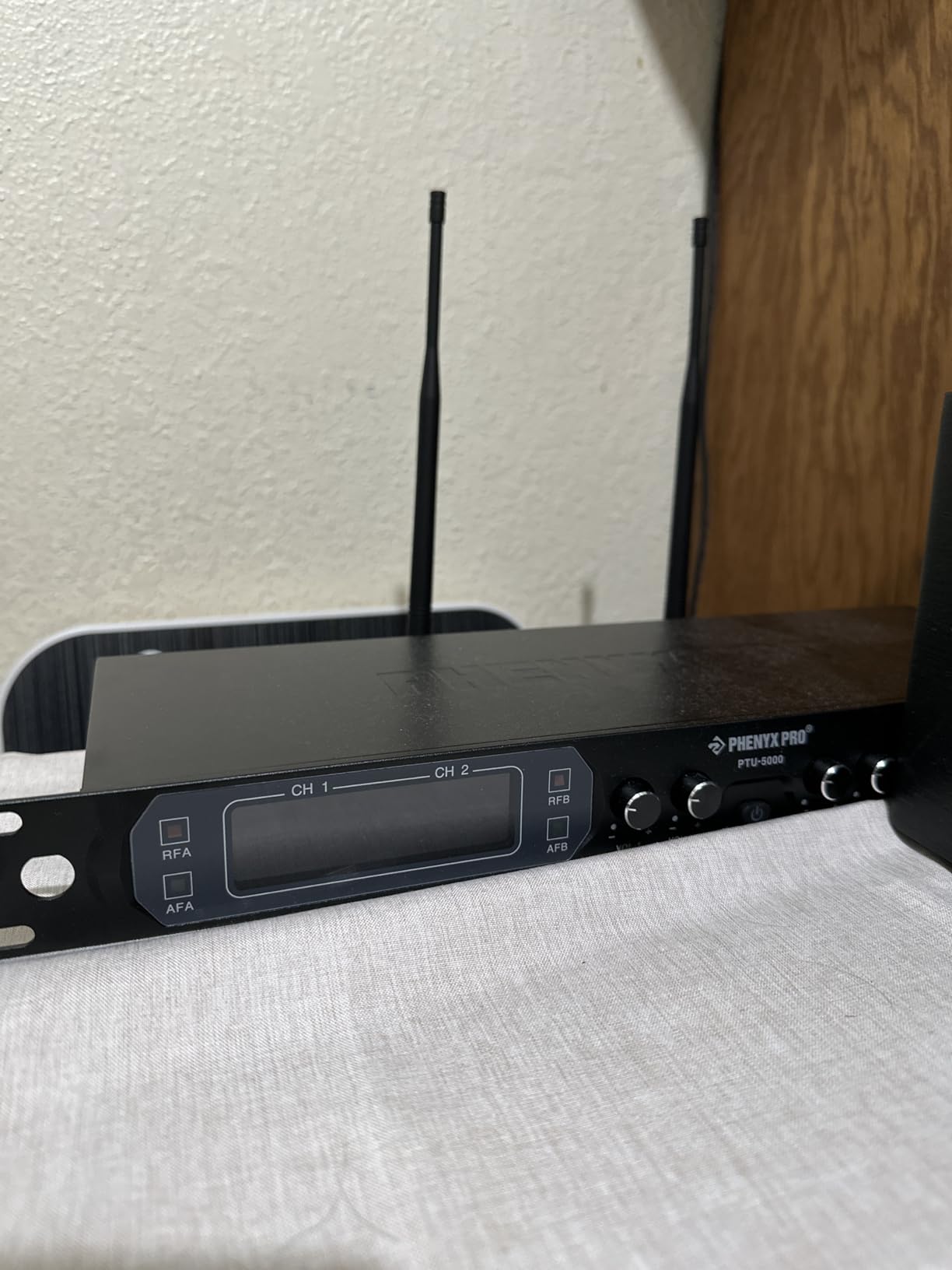
The receiver is rackmount-ready with snap-on BNC antennas, and a memory switch retains your last settings for fast re-setup. The LCD shows the frequency readout and each microphone has its own volume control, which matters when four singers have very different levels.
Output is four individual XLR channels plus a combined 1/4-inch jack. That gives you real mixer control in a proper rig and a simple single-cable path into a karaoke machine or powered speaker.
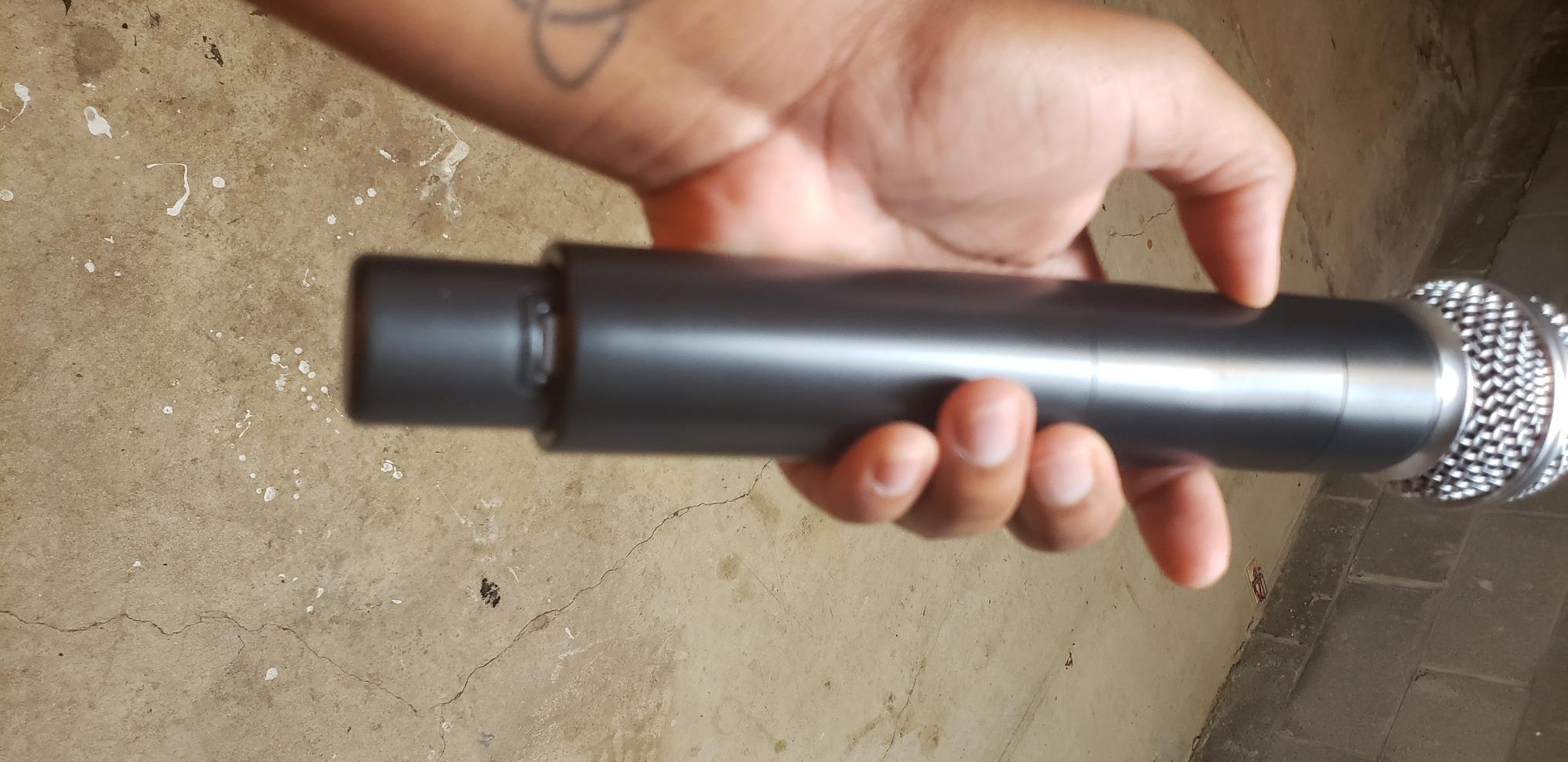
Owners across professional karaoke and DJ work report buying multiple of these systems, and the metal construction is repeatedly credited for surviving drops and bar-floor abuse. At 8.6 pounds for the full package, it is a genuinely heavy receiver.
Rated operating freedom is up to 260 ft, with the caveat that this is line-of-sight. A memory function plus per-mic volume means the re-setup between sets is close to instant.
When the Phenyx PTU-5000-4H is the right call
Buy it if you need four voices, you want the simplest possible workflow, and you control the room well enough to know what is on the spectrum there. Fixed frequencies are a feature in a permanent installation and a limitation anywhere else.
It is also the right pick for a venue that rents this rig to multiple groups a week, because there is nothing for a new volunteer to break. Per-mic volume control on the receiver removes the most common complaint at karaoke nights.
Where it will disappoint you
Fixed frequencies cannot be re-tuned. If a channel conflicts in that room, your only fix is swapping in a replacement mic on a different fixed frequency, and you cannot add a headset transmitter to the system later.
The capsules are also relatively insensitive, so singers have to hold the mic close. That is fine for a karaoke bar and a problem for a quiet, breathy voice that needs the mic at a distance.
4. innopow WM500 – Best Four-Handheld Stage System with Auto-Scan
innopow 4 Channel Wireless Microphones System, Quad UHF Cordless Mic Set,4 * 40 Groups Metal Handheld Dynamic, Auto Scan, Long Range 200-300Ft,16 Hours Use for Church,Singing Bands (WM500)
4 channels across 4 x 40 groups
180-240 ft working range
14-17 hours battery life
Two XLR plus 1/4-inch output
Pros
- Metal handheld mics with loud clear vocal reproduction
- Auto-scan plus manual channel numbers
- Individual XLR outputs and a mixed output
- 14-17 hours of battery life
Cons
- Stated range of 180-240 ft falls short of the headline claim
- Requires an external amplifier for best results
Where the Phenyx four-channel above runs on fixed frequencies, the WM500 gives you auto-scan plus manual channel numbers per microphone. That combination is what you want when more than one band is running in the same building.
Each mic sits in its own frequency block: 538.3-550.0, 554.8-566.4, 571.3-583.0, and 587.8-599.5 MHz, with 40 groups inside each. The separation between blocks means the four channels do not step on each other even before you scan.
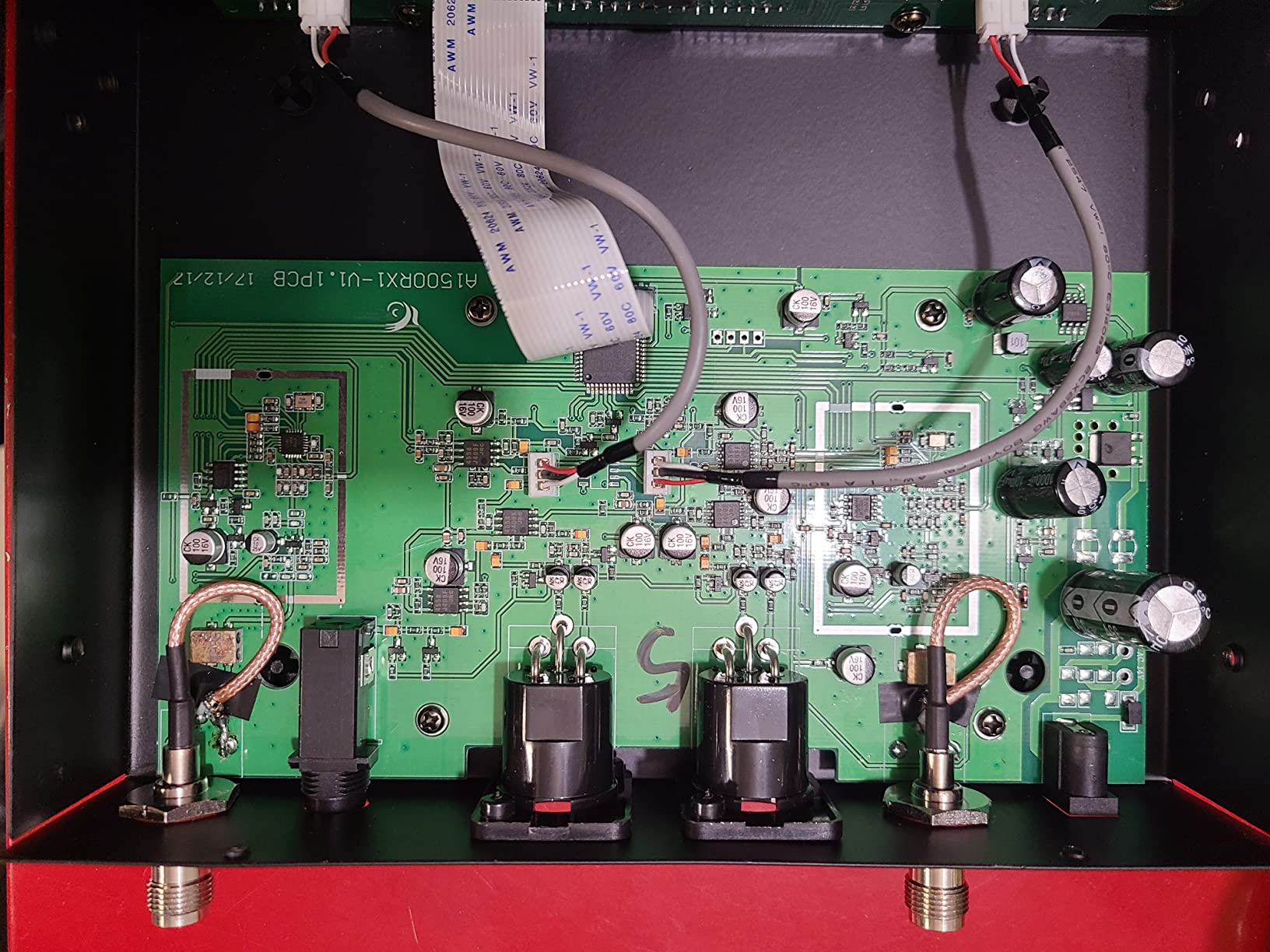
Battery life is listed at 14-17 hours, which covers a festival day with batteries to spare. The bodies are metal with unidirectional cardioid pickup, and owners describe the vocal reproduction as loud and clear for the money.
Output is two individual XLR outs plus a 1/4-inch mixed output, so you can run a small board properly or collapse to a single feed into a compact PA. Manual pairing is documented for multi-system installs.
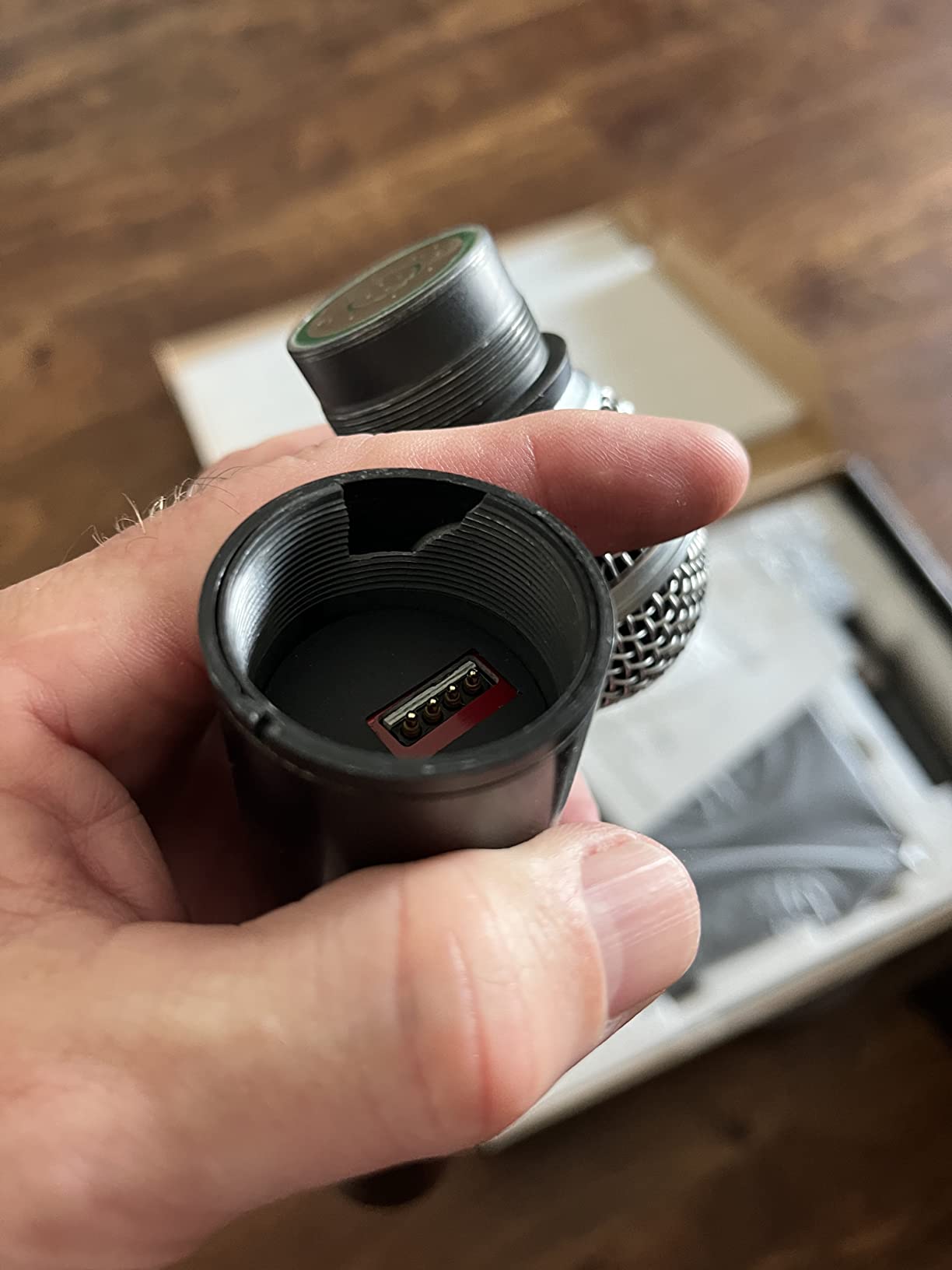
Buyers use it for church, small DJ and KJ stages, weddings, parties, conferences, classrooms, and karaoke. The stated working range of 180-240 ft in open areas is the honest number to plan around, not the wider headline figure.
Warranty is 12 months, which is thinner than the two-year coverage on the Shure entries. That is worth factoring in if the rig lives in a rehearsal room rather than a road case.
When the innopow WM500 is the right call
Pick it when you need four channels and the room is RF-contested, because auto-scan plus separate frequency blocks gives you more room to maneuver than fixed channels do. The manual channel numbers also let two systems coexist at a festival.
It is a strong fit for a small band or worship team that already has an amplifier in the chain. The metal bodies survive the kind of handling that kills plastic shells in a rehearsal space.
Where it will disappoint you
The stated working range of 180-240 ft is well below the 200-300 ft headline claim, so plan for a room rather than a field. It is also the one system here that explicitly recommends an amplifier, which is a real cost in a signal chain.
Twelve-month warranty coverage is thinner than the two-year terms on the Shure systems, and 12-month terms do not help much if a channel fails mid-tour.
5. TONOR 4-Bodypack System – Best Wireless Mic System for a Worship Team
TONOR UHF Wireless Microphones System with Headset/Lavalier Lapel Mics, Bodypack Transmitter, Receiver, 4 * 10 Channels, 90 m/295ft Range for Live Singing Karaoke Church Party DJ, 4 Bodypack Mics
4 bodypack transmitters
40 frequency channels total
Up to 295 ft range
Four-antenna receiver
Pros
- Headset and lavalier capsules included per bodypack
- Four-antenna design holds signal near WiFi and phones
- Auto-pairing needs no manual channel setup
- Battery level indicator on each bodypack
Cons
- Thin documentation for running multiple receivers
- Small bodypack antennas are not user-replaceable
- Stiff belt clip
- Lavalier capsules need more amplifier gain
Four bodypacks, and each one ships with both a headset microphone and a lavalier. That is the detail that makes this kit interesting for a worship team, because the person wearing it can switch headstyle without changing transmitters.
The four-antenna receiver design is the reason this holds up in rooms crowded with WiFi and mobile devices. Range is listed at up to 295 ft (90 m), and each bodypack has 10 frequency options for 40 channels total.
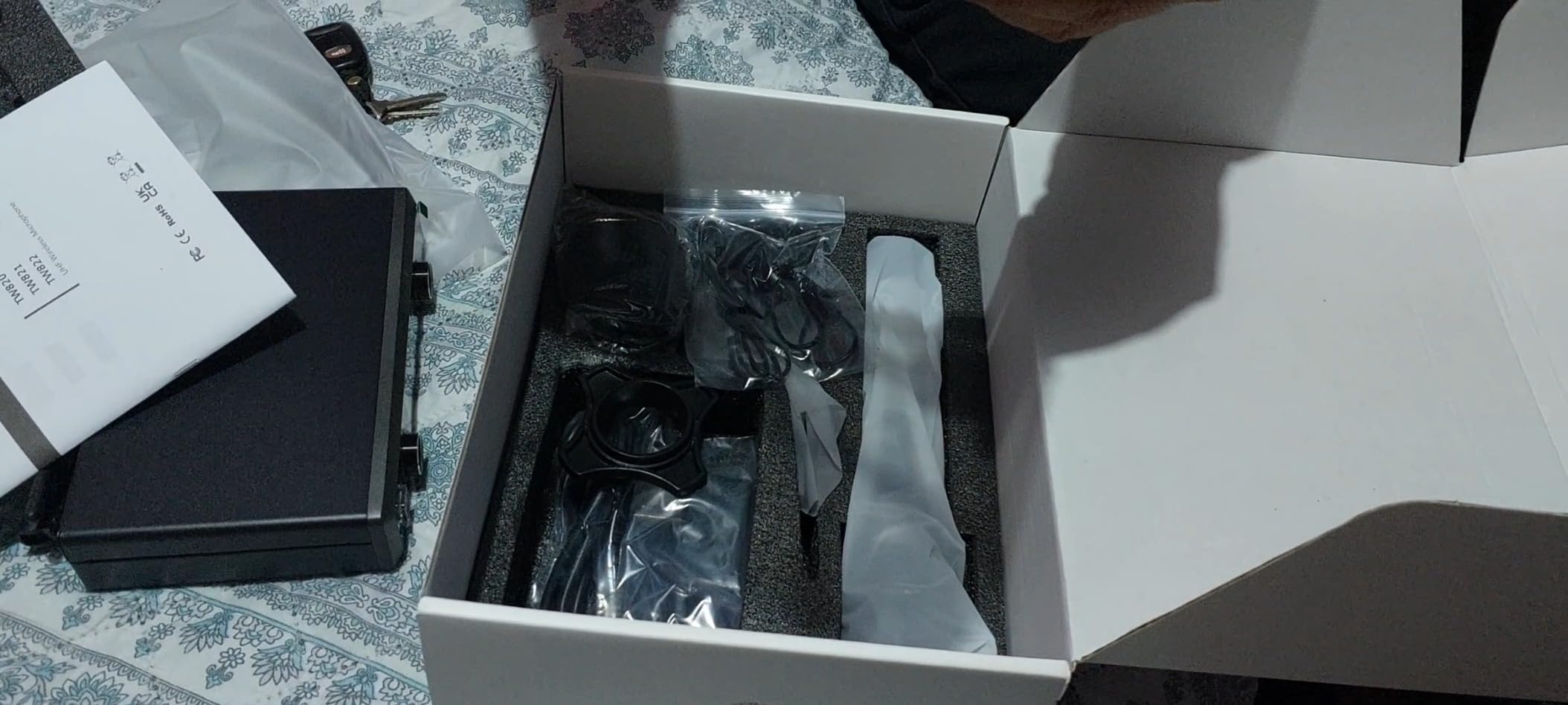
Auto-pairing means the mics work immediately without manual channel setup, which matters when a volunteer is handling it. A MUTE button sits on each bodypack, and a battery level indicator helps you avoid a mid-service failure.
Capsules are cardioid on both the headset and the lapel head. Individual XLR outputs plus a mixed output let you feed a mixer for a service or a single feed into a portable speaker for a smaller room.
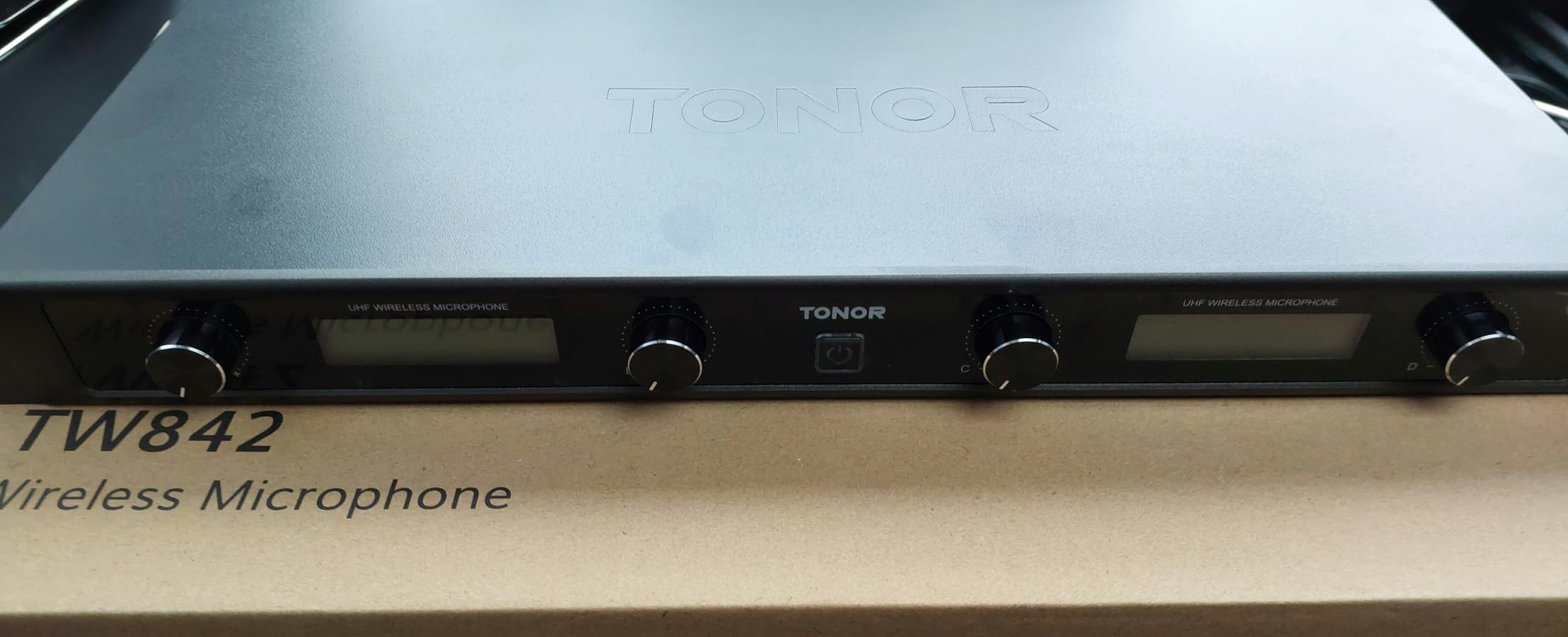
TONOR support is described as responsive, including replacement units when something fails. In a church setting, where a broken bodypack on a Sunday is a visible problem, that responsiveness matters as much as the spec sheet.
Owners in churches, weddings, and speaking engagements consistently report that the hands-free form factor is the reason they bought it. A moving speaker or a saxophone player is not going to hold a handheld.
When the TONOR 4-Bodypack System is the right call
Choose it when the people on stage need both hands: worship leaders, panel speakers, dance instructors, or a host who also plays an instrument. The dual headstyle per pack means you are not guessing what someone will show up wearing.
The four-antenna receiver and auto-pairing reduce the setup time in rooms with heavy wireless traffic. Forty channels across four bodypacks is a sensible starting point for a four-person team.
Where it will disappoint you
Documentation is thin, particularly for running multiple receivers side by side, which is exactly what a larger church eventually needs. The bodypack antennas are small, delicate, and not user-replaceable, so a bent antenna ends the transmitter.
The lavalier capsules are less sensitive than premium units and need more amplifier gain, and the belt clip is stiff enough to be awkward to remove. A minority of multi-bodypack buyers also report noisy channels.
6. TONOR 8-Channel System – Best Kit for Panel Discussions and Events
TONOR Wireless Mic System, Headset/Lavalier Lapel Mics, 0 m/295ft UHF Range
8 channels across 8 x 12 frequencies
Up to 295 ft stable transmission
All-metal receiver
Bodypack display with battery level
Pros
- Clear vocal reproduction with good gain for the price
- Stable signal across a room
- Setup most users finish on the first attempt
- Battery level and frequency shown on the bodypack
- Metal receiver resists interference
Cons
- Handling noise when the mic is moved
- Some units share a frequency and drop out
- Intermittent connectivity reported at as little as 30 ft
- Plastic bodypack housing
Eight channels is the number that makes sense for a panel, a conference stage, or a classroom. Each bodypack has 12 frequency channels, so you can hand eight people a mic and still have room to re-pick a cleaner frequency if one fights the room.
The receiver here is all metal while the bodypacks are ABS, and owners specifically call out the metal receiver as the reason interference resistance is better than plastic units. Range is a stable 295 ft (90 m) using UHF digital wireless.
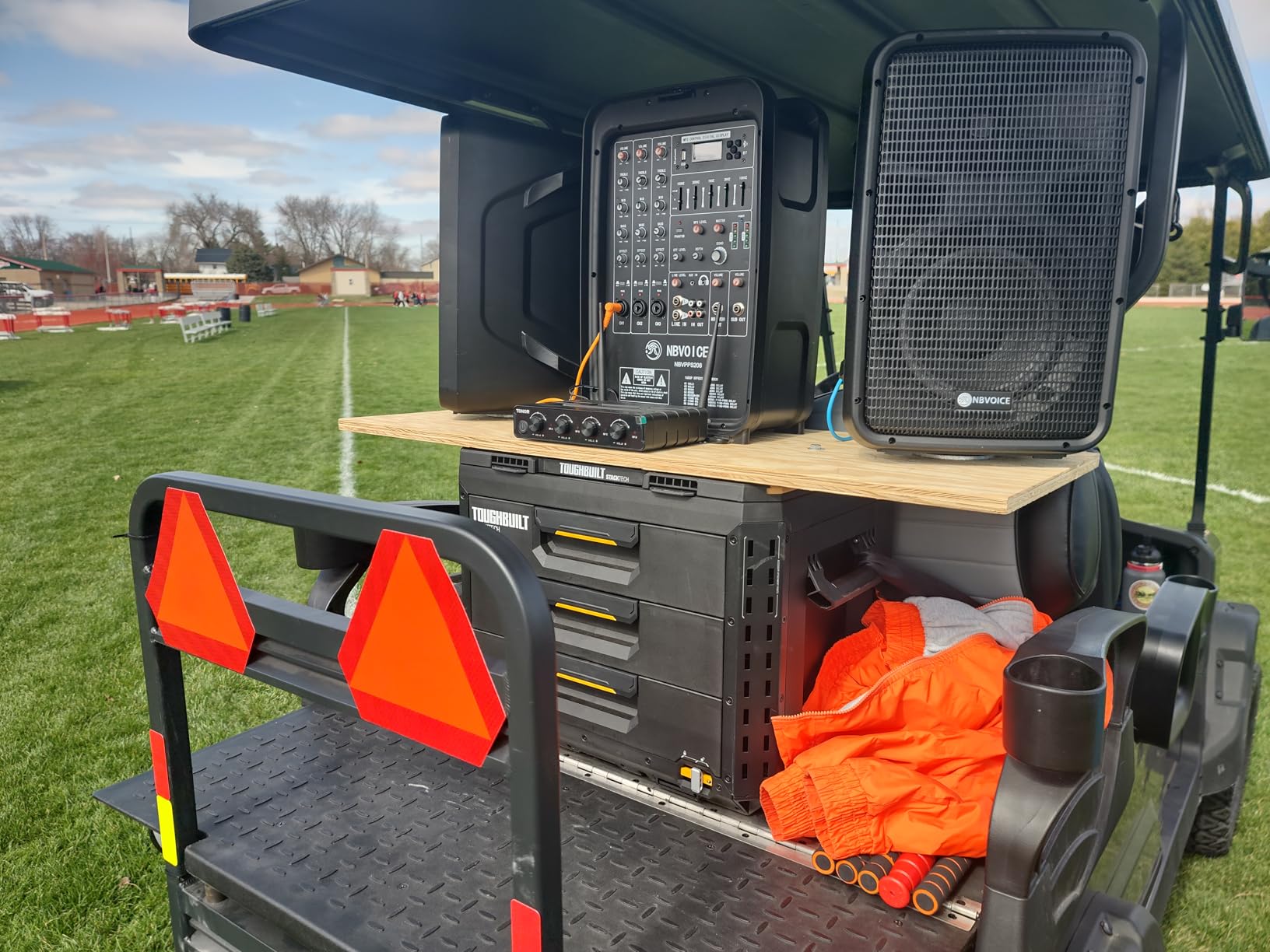
Auto-pair with memory recalls the last used frequency, which means the rig comes back the same way every week. The bodypack screen shows real-time battery level and frequency, so a failing pack is visible before it dies on air.
There is an instant mute button and adjustable volume on the bodypack itself, so a panelist can hand off their own mic without a sound engineer intervening. Output covers both 6.35 mm jack and XLR.
Owners report fast, simple setup that most complete on the first attempt, and good gain for the money. The manufacturer is also noted for issuing replacements when problems occur, which softens the reliability complaints.
Clear vocal reproduction and a stable signal across a room are the two things that show up most in reviews. For speech rather than singing, the cardioid dynamic capsule behaves predictably and quietly.
When the TONOR 8-Channel System is the right call
It is built for a stage where several people speak but only one at a time: panels, conferences, classrooms, and worship services with multiple leaders. On-bodypack volume and mute remove the need to touch the receiver mid-panel.
The memory function and eight frequency options per pack make it a good permanent-install workhorse. Show the battery level on the bodypack screen at the start of a session and you will not be surprised later.
Where it will disappoint you
A minority of buyers report channels sharing a frequency and dropping out, and intermittent connectivity on some lapel sets at as little as 30 ft. That is closer than anyone should have to run, so test every pack in the actual room.
Handling noise is noticeable when the mic is moved rather than left on a stand, and the plastic bodypack housing feels noticeably cheaper than the metal receiver it ships with.
7. Pyle PDWMU211 – Best Budget Wireless Headset and Lavalier Kit
Pyle Dual UHF Microphone System – Portable Professional Cordless Microphone Set Wireless Mic Kit w/Headset / Lavalier Mic, Beltpack Transmitter, Receiver – Karaoke & Conference – Pyle PDWMU211,Black
UHF narrowband transmission
8 selectable frequency channels
160+ ft operating range
Plug-in 1/4-inch audio adapter
Pros
- Plug-and-play setup that works out of the box
- Clear sound that compares well with pricier budget kits
- On-transmitter volume control and a strong belt clip
- UHF band avoids 2.4 GHz WiFi buzz
Cons
- Delicate bodypack-to-headset wire can break when bent
- Some units would not complete the documented pairing procedure
- Included batteries drain quickly
- Confusing instructions and cheap plastic housing
This is the cheapest way to get a wireless headset onto a stage, and the UHF narrowband transmission is the reason it is worth considering at all. The complaint about 2.4 GHz kits sounding like a WiFi router does not apply here.
Eight selectable frequency channels with a digital LCD readout, and independent adjustable volume per channel on the transmitters. That on-transmitter volume control is unusual at this end of the market.
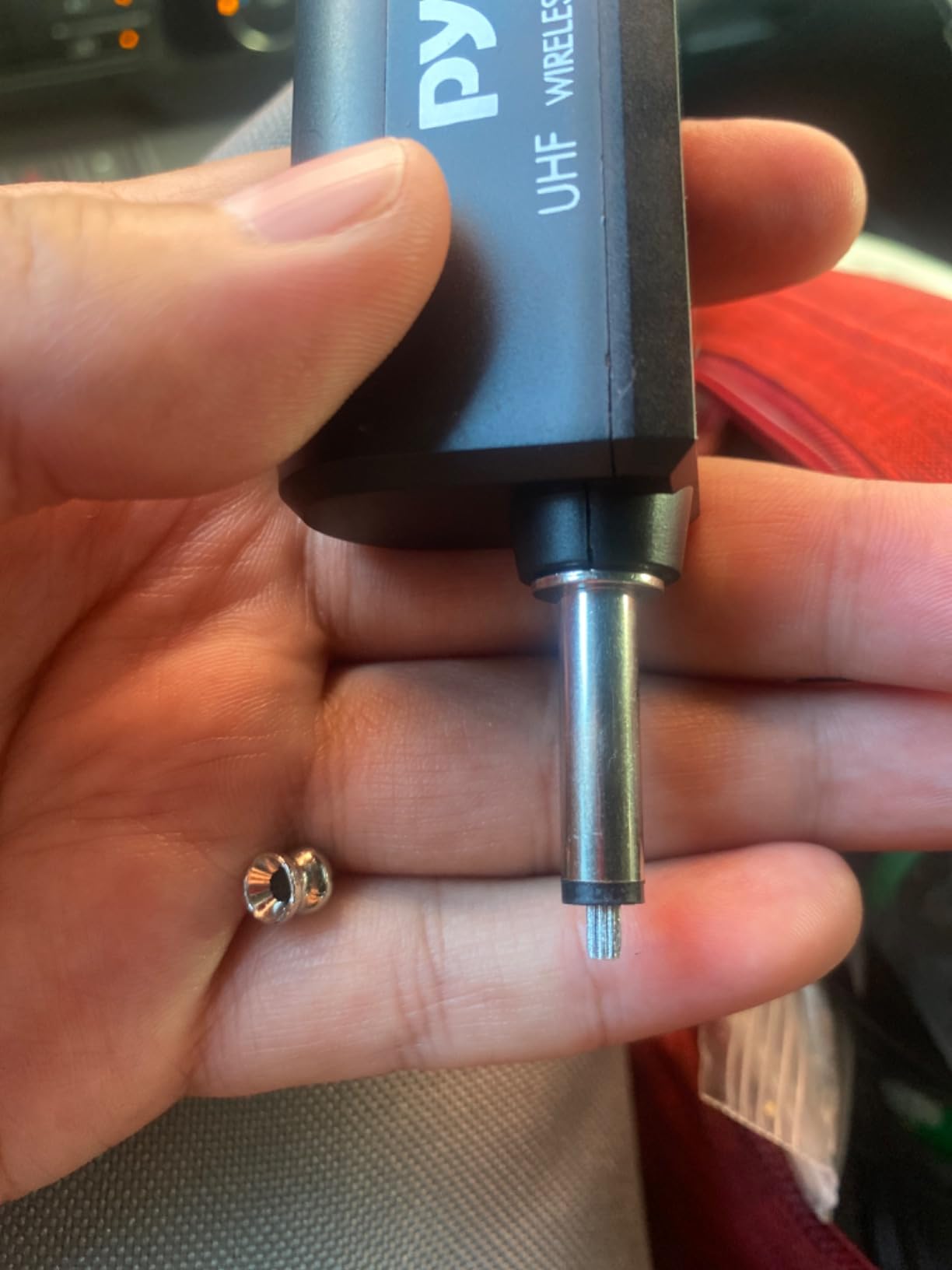
The receiver is a plug-in audio adapter with a 1/4-inch jack and an integrated antenna, so it goes into a karaoke machine, amplifier, stereo, audio processor, or DJ mixer without a rack shelf. Operating range is listed at 160+ ft.
Owners set it up in minutes and use it successfully for teaching, dance instruction, karaoke, and small logging shows. The strong belt clip is what keeps it in place on a moving presenter.

Sound is described as clear and crisp, and comparing well against pricier budget options. UHF narrowband transmission with a high signal-to-noise ratio is the spec that makes it a legitimate choice rather than a toy.
The plastic housing is light and the whole thing is easy to move between rooms, which is genuinely useful for a teacher or a mobile instructor. The trade-off is that nothing here is built to take a tour.
When the Pyle PDWMU211 is the right call
Buy it for a fixed small room where you need one or two hands-free channels and a tight budget. A classroom, a small karaoke room, or a community hall where someone needs to move and talk is the ideal brief.
It suits anyone testing whether they need wireless at all. The plug-in receiver and the 1/4-inch jack mean it works with gear you probably already own.
Where it will disappoint you
The wire running from the bodypack to the headset is the weak point, and it breaks when bent against the body or a chair. Some owners also could not complete the documented pairing procedure, leaving transmitters unusable.
Included batteries drain quickly, with one owner reporting roughly 3 hours of runtime. Instructions are confusing and the housing feels cheap in the hand, so this is not a touring purchase.
8. Shure BLX14/P31 – Best Wireless Headset Mic for Hands-Free Performers
Shure BLX14/P31 Wireless Headset Microphone System – H10 Band
H10 UHF band 542-572 MHz
Up to 300 ft line-of-sight
Up to 14 hours on two AA batteries
Single channel, mini-XLR capsule
Pros
- Clear professional vocal reproduction from the PGA31 capsule
- Comfortable headband that stays secure
- 14 hours of transmitter runtime
- Reliable 300 ft range
- Hands-free freedom of movement
Cons
- Single-channel system only
- Needs a second receiver and transmitter for extra coverage
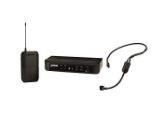
The PGA31 is a cardioid headset microphone with a windscreen and clothing clip, and it is the capsule to look at when a vocalist needs to move and sing at the same time. Cardioid pickup keeps the head mic focused on the mouth rather than the room.
Transmission is on the H10 band at 542-572 MHz with up to 300 ft of line-of-sight range, and the BLX1 bodypack runs up to 14 hours on two AA batteries. Signal-to-noise ratio is listed at 76 dB.

The headband is the piece owners praise most. It stays secure through long presentations and full services, which is the practical difference between a headset that works and one the performer is constantly adjusting.
The system supports up to 12 compatible systems per band, so a worship team can run several on the same band and still coordinate. The included BLX4 receiver and BLX1 bodypack cover the full chain.
Two-year limited warranty coverage matches the handheld Shure above. The connector is a 4-pin mini-XLR for the capsule, which is a Shure standard rather than a proprietary lock-in.
For a performer who plays an instrument and sings, or a worship leader who uses hand gestures while speaking, hands-free is not a luxury. It is the difference between performing and fighting the cable.
When the Shure BLX14/P31 is the right call
Buy it when one person needs to sing or speak hands-free and the room is normal-sized. It is the best-made headset in this roundup, and the headband comfort shows up in reviews more than the sound does.
It is a strong choice for worship leaders, presenters, and instructors who move around a stage. Fourteen hours of transmitter runtime covers a long service with no battery anxiety.
Where it will disappoint you
It is a single-channel system with no onboard mixing of multiple transmitters. Extra coverage means a second receiver and a second bodypack, and the two will not sit comfortably as a matched pair unless you buy them together.
At 210 reviews the sample is smaller than the multi-channel kits here, so the long-term durability record is less proven. The cardioid capsule also means you cannot use it as an ambient pickup.
9. Shure BLX14/B98 – Best Wireless Mic for Brass, Woodwinds and Percussion
Shure BLX14/B98 Instrument Audio System J11 Band (596–620 MHz) – BLX4 Receiver, BLX1 Bodypack & BETA 98H/C Clip-On Mic for Brass, Woodwinds & Percussion, Up to 14 Hr Battery, 300 ft Range
J11 UHF band 596-620 MHz
Up to 300 ft line-of-sight
Up to 14 hours on two AA batteries
Stainless steel bodypack build
Pros
- Secure clip-on mounting keeps instrument audio consistent
- Highest average rating in this group at 4.7
- 14 hours of transmitter runtime
- Reliable 300 ft range
- Stainless steel build
Cons
- Single-channel system
- Capturing more than one instrument requires additional systems
This is the one instrument system in the roundup, and it exists for brass, woodwinds, and percussion players who move while playing. The BETA 98H/C clips onto the instrument so the capsule stays in a consistent position relative to the sound source.
Transmission is on the J11 band at 596-620 MHz, with up to 300 ft line-of-sight range and up to 14 hours of bodypack runtime on two AA batteries. The bodypack housing is stainless steel.
Owners report consistent instrument capture as the standout benefit, and the secure clip-on mounting is what makes that true rather than intermittent. If the clip slips, the level changes with it, and this one does not slip.
It carries the highest average rating of the twelve systems here at 4.7, with a five-star share that owners describe as exceptional. Treat that carefully though: only 51 reviews back it up.
Mounting hardware, a power supply, two AA batteries, and a guide are included with the BLX4 receiver and BLX1 bodypack. Two-year manufacturer coverage applies.
When the Shure BLX14/B98 is the right call
Buy it if you play a horn, a woodwind, or percussion and you need to move around without a cable. Instrument miking is unforgiving of placement changes, and the clip solves that.
It is a good match for ensembles doing staged work where each player needs their own channel. The stainless bodypack holds up under regular transport, which matters for a touring horn line.
Where it will disappoint you
It is single-channel, so a five-piece ensemble needs five systems. That cost multiplies fast, and unlike a handheld, an instrument mic cannot be swapped for a cheaper one mid-contract.
With 51 reviews, this is the thinnest evidence base in the roundup. The rating is excellent, but you are buying on a small sample rather than a long owner record.
10. Phenyx Pro PTU-6000-8H – Best Wireless Mic System for Full Bands and Choirs
Phenyx Pro 8-Channel UHF Auto Scan Wireless Microphone System,PTU-6000-8H
8 channels, 8 x 40 UHF frequencies
290-328 ft line-of-sight
Up to 16 transmitters simultaneously
Four antennas, metal build
Pros
- Auto-scan reliably finds clean frequencies
- Solid metal feel for touring use
- Range easily exceeds most small-to-mid venues
- Several owners report zero dropouts
- IR sync moves a mic to a new channel fast
Cons
- Eight XLR outputs can fill every mixer channel
- Mics run quiet on the 1/4-inch mixed output
- Handling noise when the mic is moved
- A few units stopped receiving after limited use
Eight handheld channels on one metal receiver, with 8 x 40 selectable UHF frequencies from 520.15 to 602.25 MHz. Bands and church choirs use these to replace long cable runs rather than to solve a single vocal problem.
Auto-scan finds clean frequencies and locks them, and IR synchronization pairs each microphone to the receiver in seconds. Up to 16 transmitters can run simultaneously in multiset operation, which covers two full bands sharing a stage.
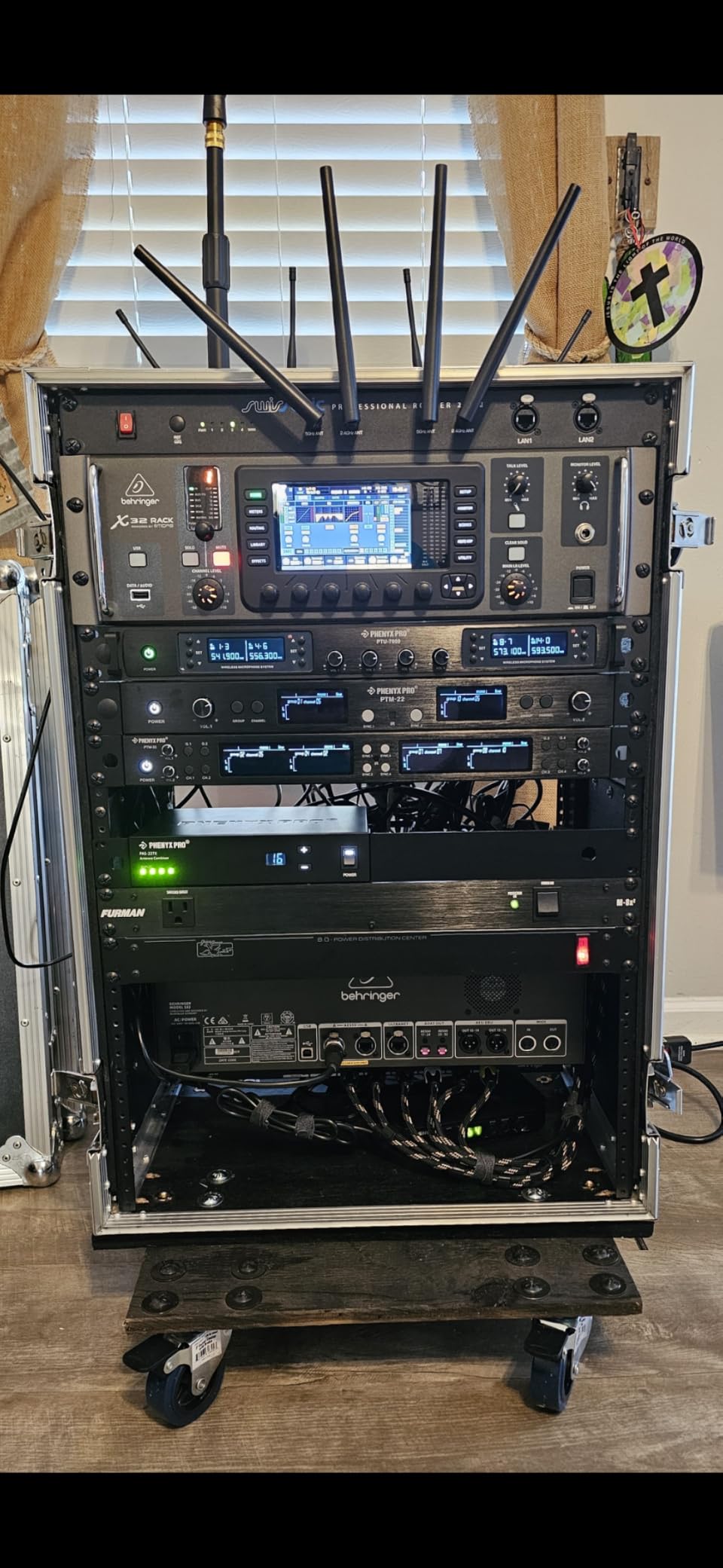
Several owners report zero dropouts and clean, warm vocal tone, and the range of 290-328 ft easily exceeds what a small to mid-size venue needs. The capsule is cardioid dynamic with replaceable heads and Harman-style tuning.
The recessed power and mute button is a small design choice that prevents accidental switching mid-song, which is the kind of detail that matters when a mic is being passed around a stage.
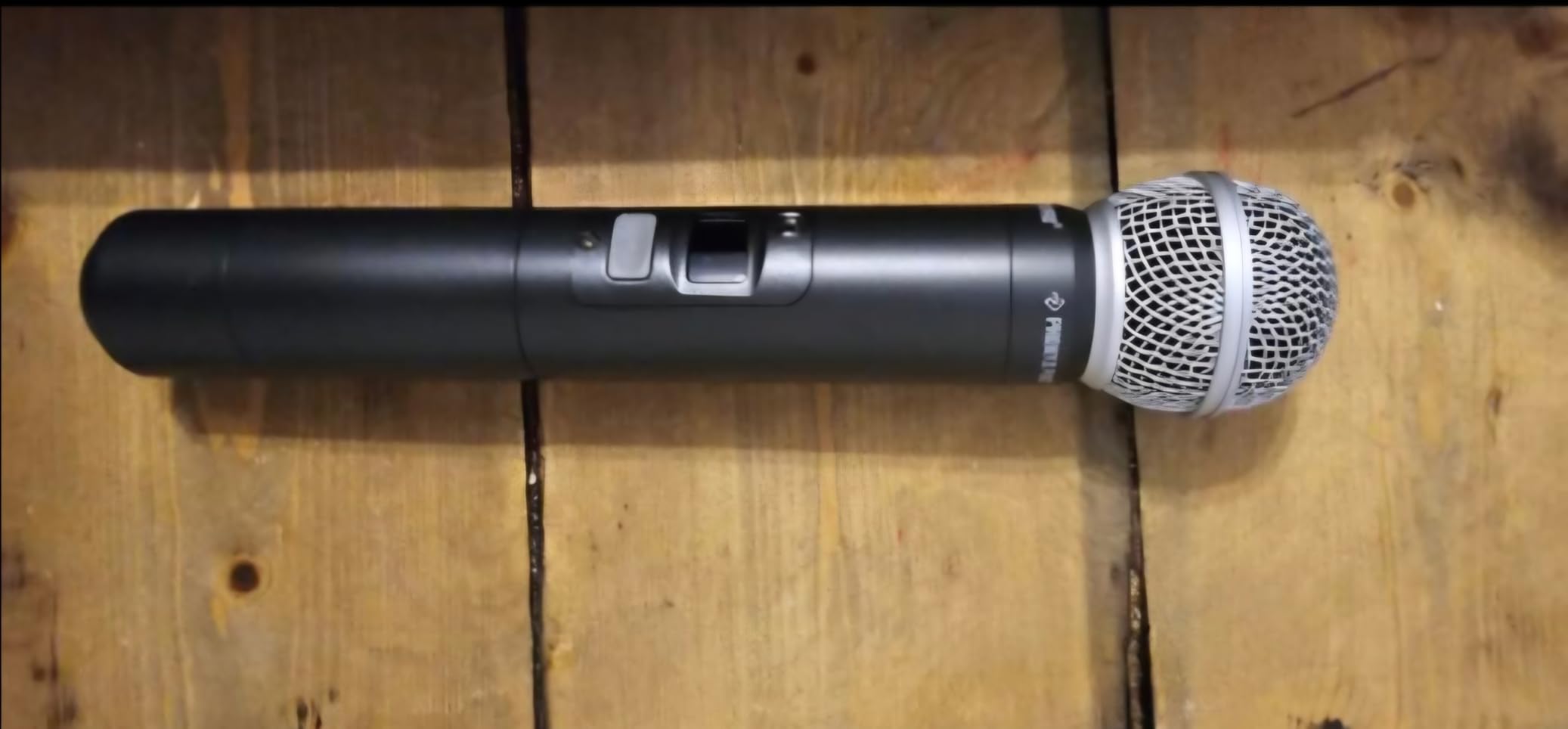
The box includes four antennas, 16 AA batteries, anti-rolling rings, rubber feet, a 1/4-inch cable, and a 6.5 mm to 3.5 mm adapter. Twelve-month manufacturer assurance is the stated coverage.
Phenyx Pro support is reported to have resolved a total system failure with a fast replacement, which matters at this weight and price. At 13 pounds, the receiver is a two-person carry.
When the Phenyx PTU-6000-8H is the right call
Choose it when you need more channels than a small board can comfortably hold, or when cable runs across a stage are the real problem. Eight handheld channels with auto-scan is the honest answer to a large choir or a busy band.
It suits anyone who will wear out the mics. Metal bodies and replaceable capsule heads mean you are not replacing whole transmitters when one head fails.
Where it will disappoint you
Using all eight individual XLR outputs occupies every channel on a small mixer, leaving nothing for instruments or playback. And the mics run quiet on the 1/4-inch mixed output, so they need turning up high to sit in the mix.
A few units stopped receiving signal from the transmitters after limited use, and handling noise is noticeable when the mic is moved rather than on a stand.
11. Sennheiser XSW 1-835 – Best Dual-Channel System for Two-Voice Setups
Sennheiser XSW 1-835 Dual Channel Wireless Microphone System,Black
Sennheiser evolution e835 cardioid capsules
Two channels, up to 10 systems
One-button scan and sync
Internal diversity antennas
Pros
- Renowned e835 capsule with present live vocal sound
- One-button scanning and synchronization
- Dual-channel receiver with readable icon indicators
- Internal diversity antennas keep the rig compact
- Up to 10 systems usable at once
Cons
- Two-channel system only
- Internal antennas limit placement flexibility
The capsule is the reason to look at this one. The Sennheiser evolution e835 is a dynamic cardioid designed for live vocal work, and reviewers consistently describe the result as clean and present rather than merely functional.
Setup is one button for scan and one for sync, and the icon-based indicator panel is readable at a glance in dim light. That matters more than it sounds when you are doing this in a dark club between sets.
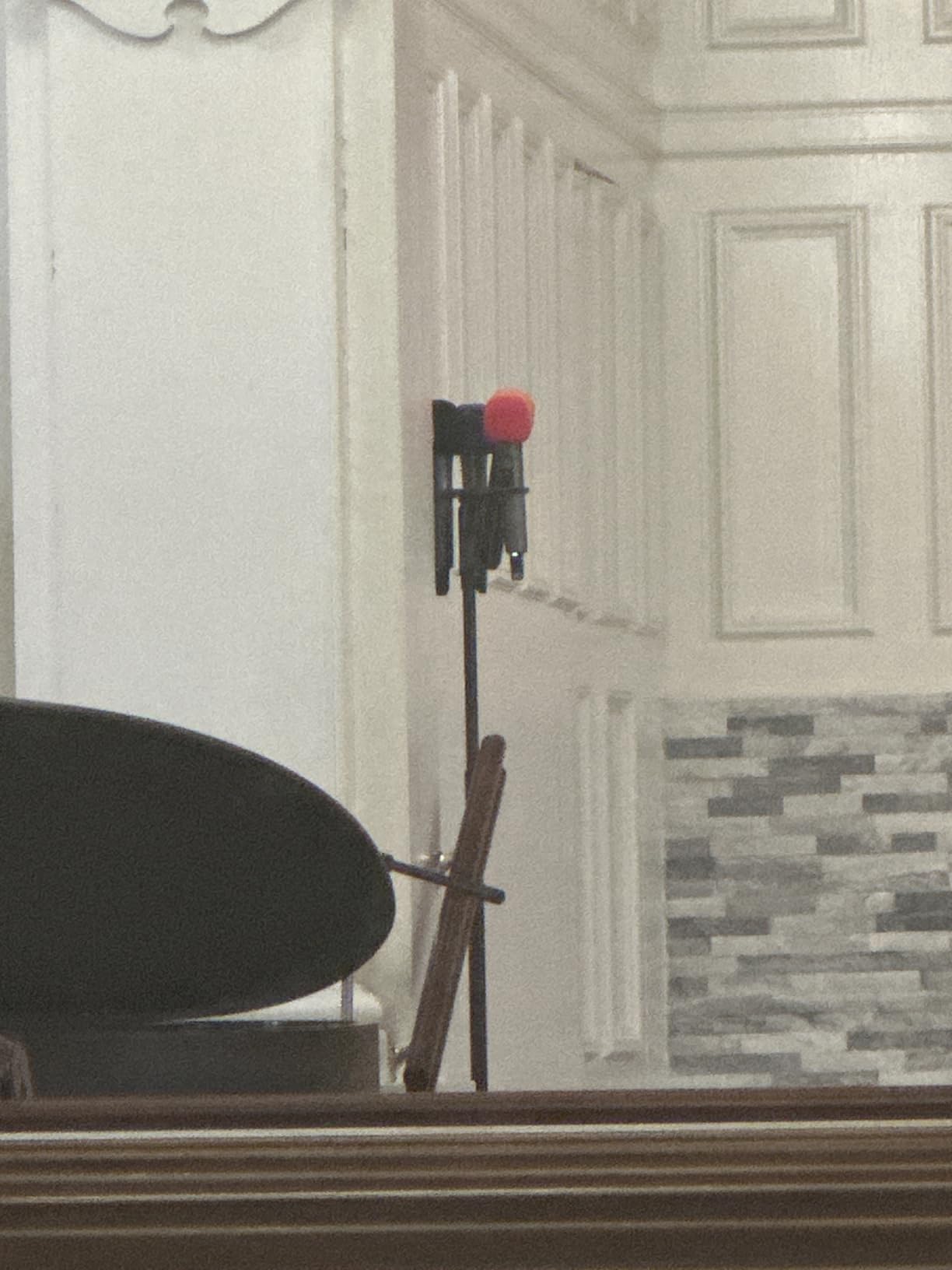
Signal-to-noise ratio and sensitivity are listed at 103 dB, and frequency response is specified at 572 MHz. Operating temperature range is 0 degrees C to +40 degrees C, so it will work outdoors in a summer festival.
Up to 10 systems can be used simultaneously in a location, so a venue can run several XSW 1 receivers without collision. Two-year manufacturer coverage applies.
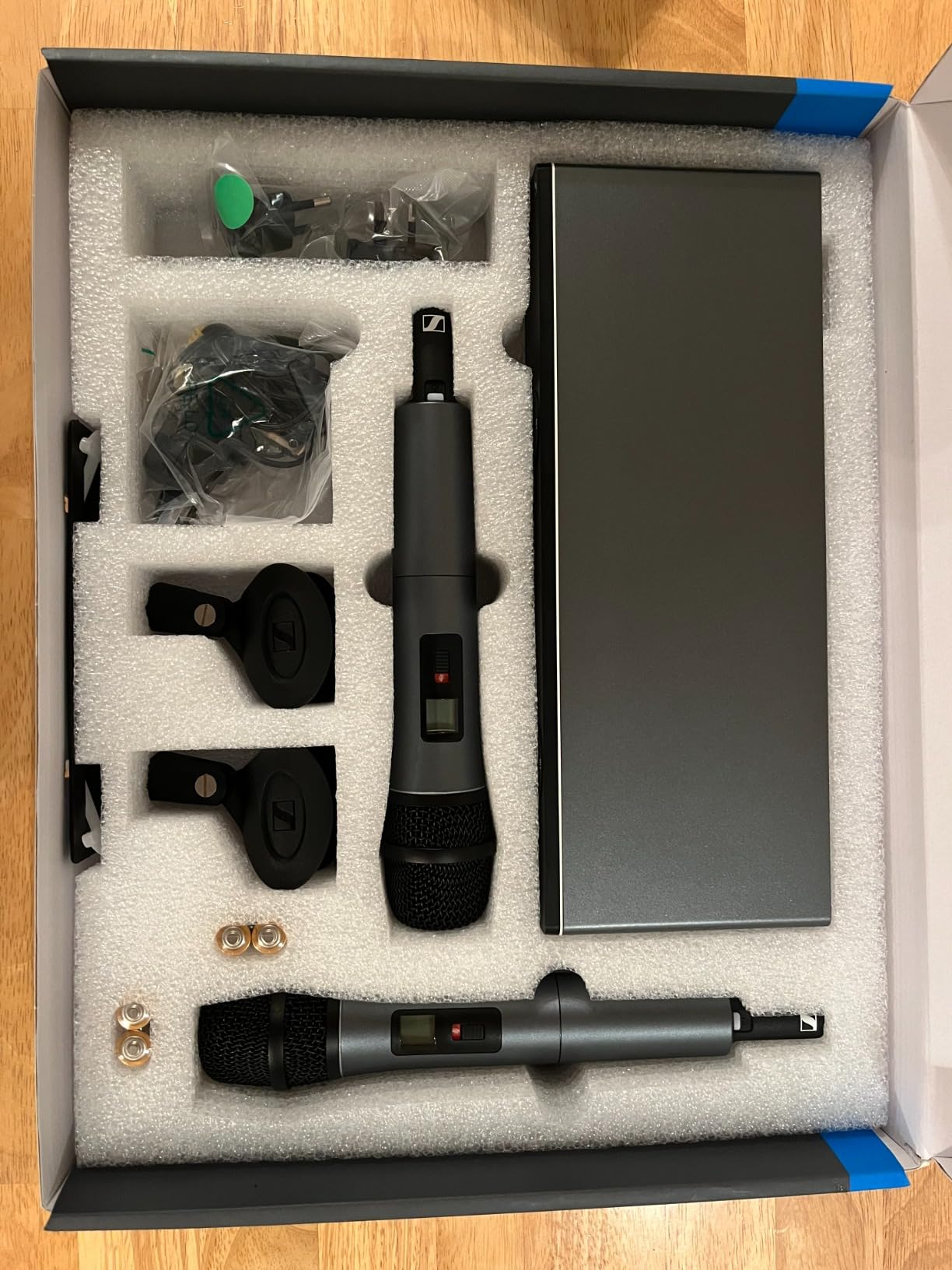
The internal diversity receiver antennas keep the whole package compact and clean on stage, with no loose antenna connectors to trip over. XLR connectivity at the receiver makes it a drop-in for a standard mixer channel.
Forum sound engineers repeatedly name the Sennheiser evolution line as a system that installs and works without range, interference, or dropout issues in normal rooms.
When the Sennheiser XSW 1-835 is the right call
Buy it when the capsule quality of the vocal matters more than channel count, and you need exactly two voices. For a duo, a presenter plus a vocalist, or a two-person worship team, this is the highest vocal-quality pick here.
It suits anyone who wants a pro capsule without a rack of gear. The one-button workflow means it is genuinely fast to put together on a dark stage.
Where it will disappoint you
Two channels is the limit per receiver, so larger lineups need additional receivers. That is the price of the capsule, and it is a real one if you are scaling to a band.
The antennas are internal, which means you cannot reposition them or add external antennas or a distribution system the way you can with exposed BNC connectors. Placement options are limited to where you put the receiver.
12. AKG SR45 Vocal Set – Best Legacy Single-Channel AKG System
AKG Pro Audio Perception Wireless Microphone System with SR45 Stationary Receiver and PT45 Pocket Transmitter- Vocal Set (3251H00010)
30 MHz tuning bandwidth
Up to 8 hours on one AA battery
Auto setup mode
SR45 diversity receiver, XLR and jack
Pros
- Clear
- clean
- interference-free vocal reproduction
- Fast auto setup and plug-and-play operation
- Solid metal build
- Runs on a single AA for easy spare management
- Used across live performance
- presenting
- and karaoke
Cons
- Range degrades near metal structures
- dropouts reported at 30-60 ft
- No external antenna connectors
- Power button can fail after repeated drops
The SR45 receiver has adjustable audio level and a squelch threshold on the front panel, which is genuinely useful when the band is contested. Two controls that most budget sets do not expose at all.
Powering from a single AA battery for up to eight hours is the underrated feature here. Spare management on a gig is a logistics problem, and one battery per mic halves the packing.
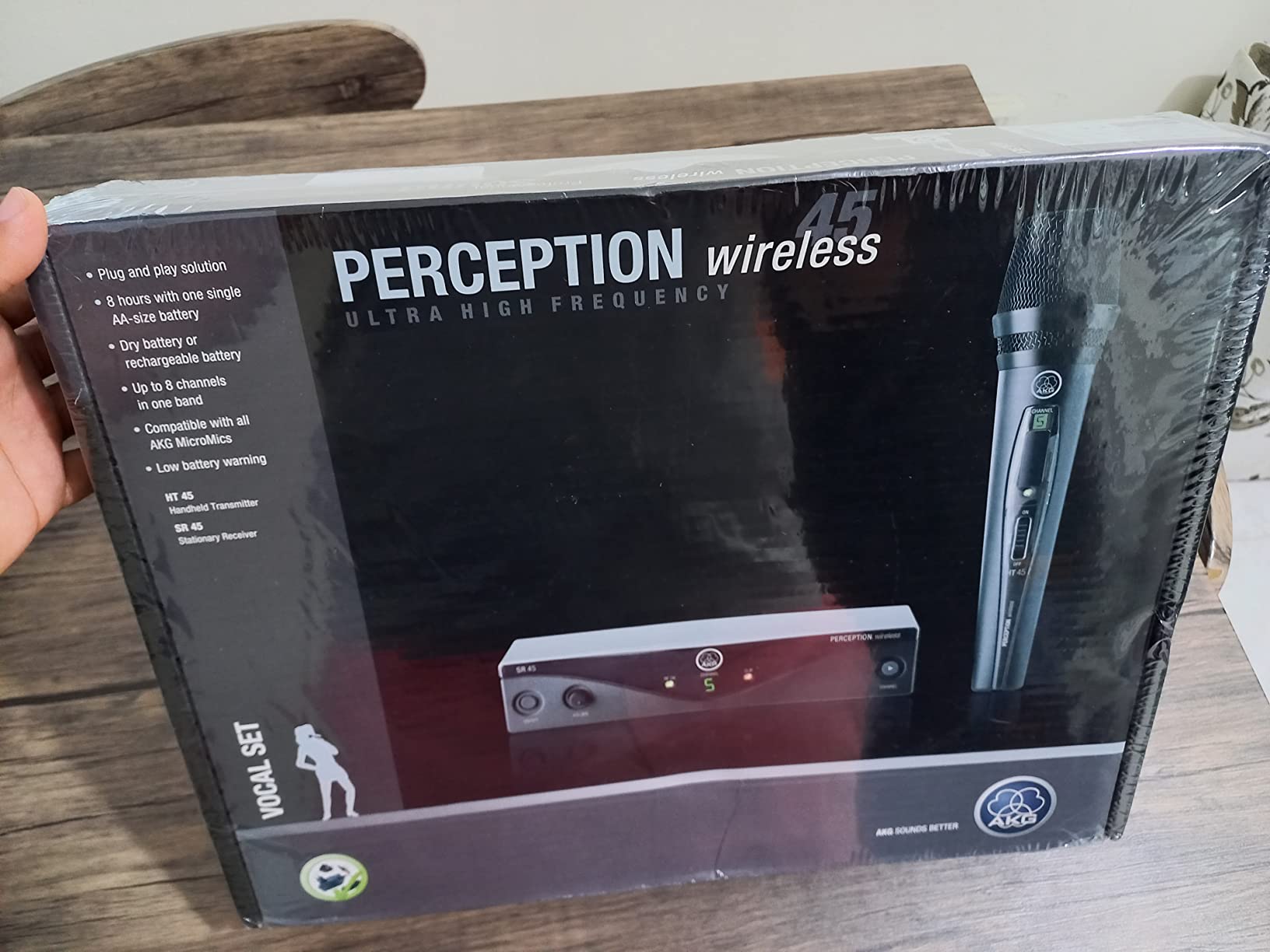
Auto setup mode gets you running in plug-and-play fashion, and the 30 MHz tuning bandwidth is enough for simple multichannel operation in a small room. Signal-to-noise ratio and sensitivity are listed at 105 dB.
The switched-mode power supply with a universal connector kit means the same system works on different mains power internationally, which matters if you play outside one country.
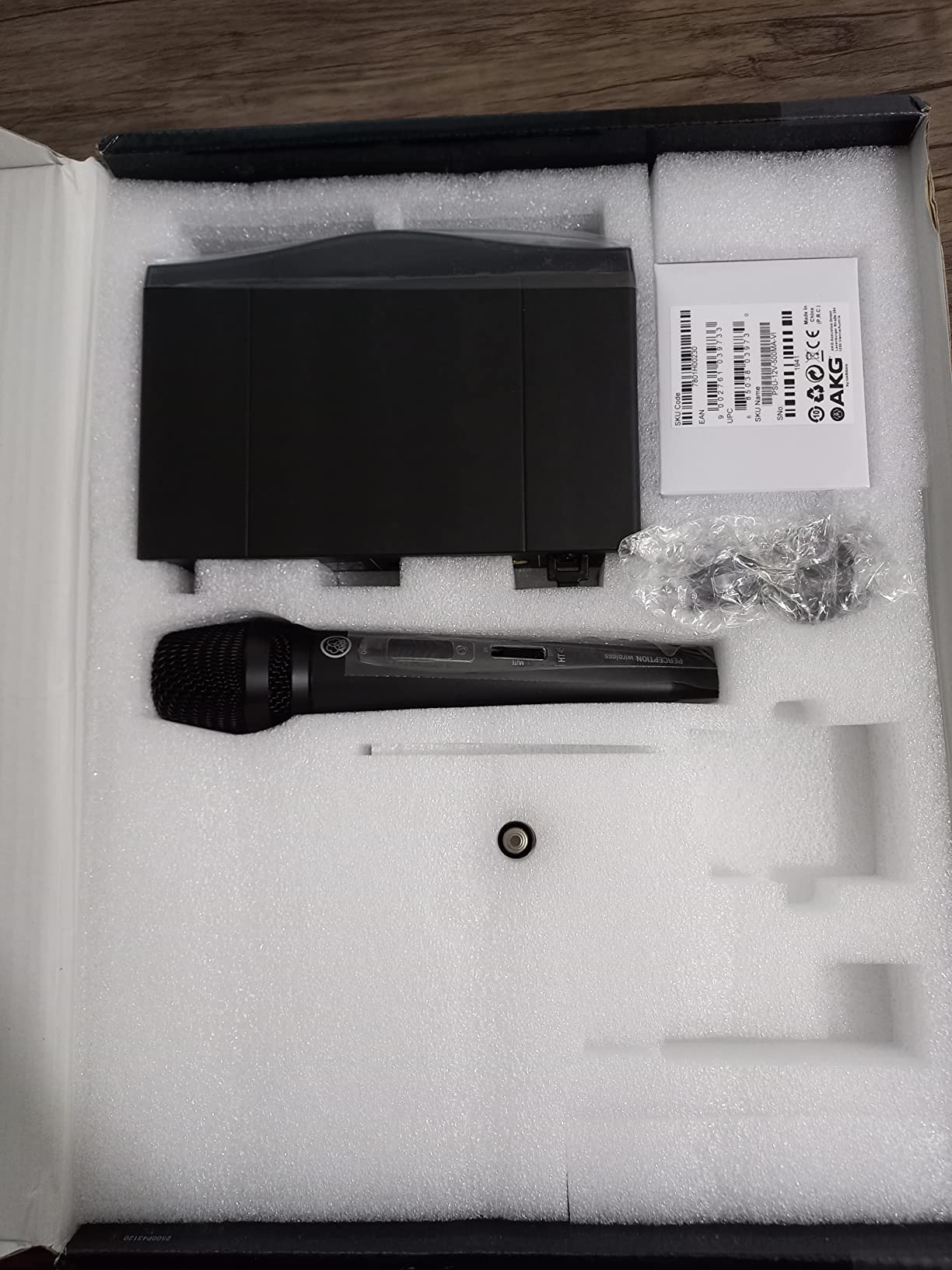
Owners report clear vocal reproduction and a solid metal build in the hand, with the set used across live performance, presentations, karaoke, and events. Two-year limited warranty coverage in the US and Canada.
The HT45 handheld transmitter and SR45 receiver ship with a stand adapter, the universal power supply, and one AA battery. The receiver offers professional XLR and jack outputs.
When the AKG SR45 Vocal Set is the right call
Choose it for a single vocal in an enclosed, permanent room where the stage does not move and the spectrum is predictable. The front-panel audio level and squelch controls are the reason.
It suits anyone who wants a metal handheld that runs on one AA and does not need to be re-tuned. Auto setup mode means a volunteer can turn it on and go.
Where it will disappoint you
Range is the real limitation, and owners are specific about it: reception degrades near metallic structures, with some reporting dropouts at 30-60 ft. There are no external antenna connectors to fix it.
The power on/off button becomes unreliable after repeated drops, and the system can pick up interference in areas dense with other wireless devices. Single channel only, as well.
How to Choose a Wireless Microphone System for Live Performance
1. UHF or 2.4GHz: the decision that matters most
UHF systems transmit in the 470-600 MHz range, away from the 2.4 GHz band that WiFi, Bluetooth, and every wireless mouse in the room occupy. On a stage, UHF is the safer default, and every system in this roundup is a UHF model for that reason.
One live sound engineer in a wireless mic recommendations thread explicitly ruled out a 2.4 GHz system and moved to a UHF set, reporting no range, interference, or dropout issues afterward. Check that the band is legal where you play before buying, since frequency ranges differ by region.
2. Count your channels, then add a spare
One channel per simultaneous voice, plus one spare, is the working rule. A five-piece band with four vocalists needs at least five channels available, and the spare is what you use when one capsule fails or a frequency gets contested.
Also count the wireless already in the room. Bands, TVs, and neighbouring sound systems all use UHF, and a system that runs 12 compatible units on one band is still sharing spectrum with everything else in the building.
Where possible, choose separate frequency blocks per microphone rather than one shared block. That is what the innopow WM500 does across four blocks, and it reduces the odds of two channels landing on each other.
3. Match the form factor, then the capsule
Handheld suits singers and any speaker who will hold one. Headset suits a performer who needs both hands, such as a worship leader, a dancing vocalist, or someone playing an instrument. Lavalier suits a speaker in a suit who will not wear a headband. Instrument packs suit brass, woodwind, and percussion players who move while playing.
Capsule choice is what changes who a mic suits. A cardioid dynamic capsule like the PG58 or the e835 is a broad, forgiving stage voice. A brighter, more extended capsule suits a quieter, higher voice that a standard vocal shape can make sound thin. Readers on mic forums regularly steer breathy, high female voices toward a brighter capsule for exactly this reason.
Sound quality is set by the capsule, not the radio. A cheap radio with a good capsule will out-sing an expensive radio with a mediocre one, and a cheaper capsule is the more common disappointment in this category.
4. Match the receiver output to your rig
XLR goes into a mixer channel and gives you gain control per mic. A 1/4-inch or 6.35 mm output goes into a powered speaker, karaoke machine, or a simple amp. A plug-in audio adapter style receiver goes straight into a 1/4-inch jack on consumer gear. Check which one you have before you buy.
Per-channel volume control on the receiver face is worth paying for when four people share a board with different levels. The 3-to-1 rule of thumb is the other half of that: the sound level at the mic should be roughly three times the room’s ambient noise floor.
Forum buyers ask for exactly this checklist, and mismatched outputs are a leading cause of returned systems. If you are building the rest of the signal chain, our microphone stand guide covers mount and placement basics.
5. Plan batteries before you plan features
Rated runtime is a ceiling, not a promise. Systems that run on two AA batteries list 14 hours, and owners commonly report 12 hours of practical use. Systems running on a single AA list eight hours. Budget for a full set of spares per mic, plus replacements in the road case.
Rechargeable AA lithium cells are a reasonable alternative for fixed indoor rigs, but they need a charger and they degrade if left in a hot car. For touring, alkaline disposables are the boring and correct answer.
Total cost of ownership is where budget kits surprise people: replacement bodypack antennas that are not user-replaceable, capsules that cannot be swapped, and cases that cost more than the mic. Check whether the mic head is replaceable before you commit.
6. Scan the room before you buy, and before every show
Walk into the venue, put the receiver on the actual stage position, and scan before choosing a frequency. If the room already has wireless installed, ask the house engineer what they are running and on which channels, then stay away from them.
For house installs, a quick-scan with a frequency lock takes seconds and prevents the most common pro-audio failure: showing up with a clean channel that the building’s own system is also on. Talk to the local crew, and rescan before every show rather than trusting the frequency you used last time.
7. What each price tier actually buys you
Entry tier gets you a metal handheld on UHF with a working receiver and nothing more: one channel, minimal controls, and a range figure that is a line-of-sight ceiling rather than a promise. It is genuinely fine for a solo singer in a small room.
Mid tier adds the things that matter once more than one person is on stage: multiple channels, auto-scan with IR sync, per-channel volume, and several XLR outputs. Every dual and quad system in this roundup sits here, and this is where the value argument is strongest.
Upper tier buys capsule quality and expandability rather than raw features. A Sennheiser evolution capsule sounds better, and a higher-tier system with exposed antenna connectors can be distributed properly in a large room. Neither adds dropouts protection you did not already have at mid tier in a normal venue.
8. Who this is not for
If you play the same small room every week and already own good wired mics, wireless is overkill. A wired vocal mic cannot drop out, cannot run out of battery, and costs a fraction of the price. Several forum regulars make exactly this argument for regular small gigs.
If you are recording a concert rather than reinforcing it, none of these is the right tool. A PA wireless system is built to feed a mixer, not to capture a balanced recording of a room. You need a proper recording setup instead.
And if you move through large venues with dense wireless infrastructure and need antenna distribution, you are past what any of these systems offers without external gear. Get a professional install.
Frequently Asked Questions
What is the best wireless microphone system for live performances?
The Shure BLX24/PG58 is the best wireless microphone system for live performance for most singers and small bands. It uses a single handheld channel on the H9 UHF band, reaches up to 300 ft line-of-sight, runs up to 14 hours on two AA batteries, and has a metal body built for regular touring. For two voices at once, the dual-channel Phenyx Pro PTU-71-2H adds auto-scan and two XLR outputs.
Is UHF or 2.4GHz better for live performance?
UHF is better for live performance. 2.4GHz is the same crowded band used by WiFi, Bluetooth, and wireless peripherals, so those systems are far more likely to hit interference in a room full of people with phones. Every system in this roundup is a UHF model. One working live sound engineer on a mic forum explicitly rejected a 2.4GHz system and moved to UHF, reporting no interference or dropouts afterward.
How many wireless microphones do I need for my band?
Count one channel per simultaneous voice, then add a spare. A five-piece band with four vocalists needs at least five channels available, and the spare covers a failed capsule or a contested frequency. Add more if the room already has wireless installed, since you must avoid the channels the house system is using.
Do I need a mixer or PA to use a wireless microphone?
Yes. A wireless microphone contains no speaker, so its receiver has to connect to something that can make sound. An XLR receiver output goes into a mixer channel. A 1/4-inch output goes into a powered speaker, karaoke machine, or simple amplifier. A plug-in audio adapter receiver goes straight into a 1/4-inch jack on consumer gear.
What should I check if the venue already has wireless microphones?
Ask the house engineer which frequencies and bands their system is using, then stay well away from them. Put your receiver on the actual stage position, run a quick-scan, and lock a clean frequency before sound check rather than during it. Also check that your band is legal in that region, since frequency ranges differ by country.
Which wireless microphone has the best sound quality?
Sound quality is set by the capsule, not the radio. The Sennheiser evolution e835 in the XSW 1-835 is the highest-quality vocal capsule in this roundup, and a brighter, more extended capsule suits a quieter or higher voice better than a standard vocal shape. A cheaper radio with a good capsule will out-sing an expensive radio with a mediocre one.
Final Verdict: The Best Wireless Microphone Systems for Live Performance
After working through all twelve, the Shure BLX24/PG58 is the pick. A single channel on the H9 UHF band, up to 300 ft of line-of-sight range, up to 14 hours on two AA batteries, and a metal body that survives a road case, with a PG58 capsule that is genuinely stage-proven. For a single voice, nothing else here needs less thought.
The runner-up is the Phenyx Pro PTU-71-2H, and it wins on a different question: how do I cover two people properly? Two tunable UHF channels, auto-scan with IR sync, dual XLR outputs, 290-328 ft of range, and a metal build throughout. Budget for the gain reduction because the mics run hot.
Beyond those two, match the shape of the job. Four fixed channels for a karaoke bar, auto-scanned four-channel metal for a small band, four or eight bodypacks for worship and panels, a Shure headset for hands-free vocalists, and the B98 clip-on for horn players. Check your receiver output against your rig, count your channels plus a spare, and scan the room before the sound check, not during it.
We update this roundup as new systems land and as owner reports change the picture. If you want the shorter version for a single voice, start with the Shure; if you want the most capability per unit of money, start with the Phenyx dual. Either way, this is the best wireless microphone systems for live performance list we would hand to a working performer in 2026.