
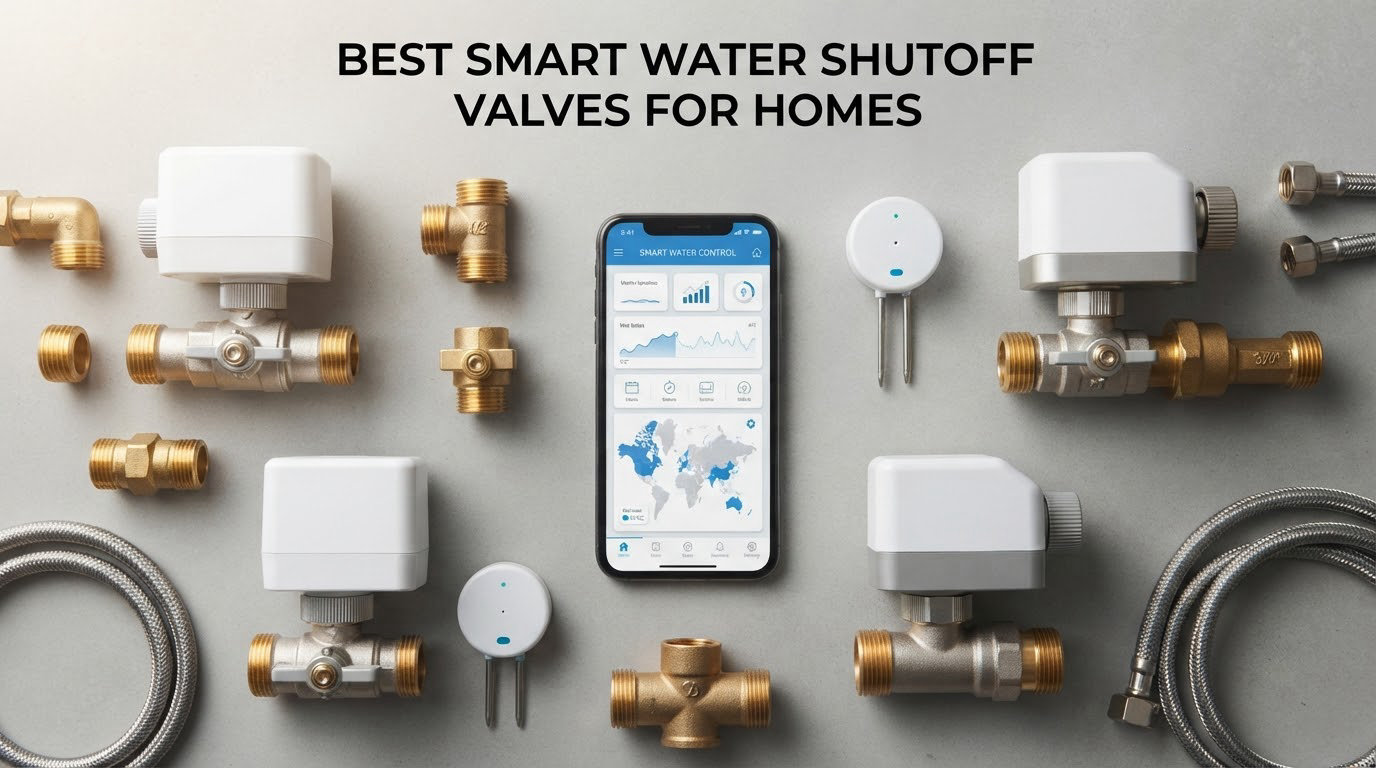
A smart water shutoff valve is a motorized valve, usually installed on your home’s main water line or at a single appliance, that pairs with leak and flow sensors to shut off your water automatically when a leak is detected. That means you get protection even when you are not standing next to the toilet when the supply line finally gives out.
We spent several weeks working through the current generation of these devices, reading spec sheets, digging into owner reviews and comparing the fit constraints that decide whether a valve works in your house at all. This is the roundup for the best smart water shutoff valves for homes in 2026, and it is deliberately protocol-agnostic. You will find standalone Wi-Fi units, Z-Wave actuators, Zigbee retrofit boxes and battery-backed kits on this list, because the right choice depends far more on your valve, your power and your hub than on any brand score.
Two things shape our rankings. First, whether the valve can physically close the water where it sits in your home, which rules out more products than any feature list does. Second, whether it keeps protecting you when the internet, the hub or the power fails. A device that only works when the cloud is reachable is not leak protection, it is a notification system. We also lean on long-term owner reports, because a valve that still works after three winters tells you more than any launch spec. If you are building out other parts of your system, our picks for the best smart smoke detectors for homes and the best smart thermostats for older homes follow the same fit-first logic.
Table of Contents
Top 3 Picks for Smart Water Shutoff Valves in 2026

Moen Flo Shutoff 900-001
- Whole-home flow pressure and temperature monitoring
- Daily MicroLeak self-tests
- FloSense pattern learning
YoLink Water Shutoff Kit Controller and EVO
- Hub and three sensors included
- Offline device-to-device shutoff
- No monthly fee
Frizzlife LP365 Ultrasonic Monitor
- Ultrasonic sensing with no moving parts
- 0.01 GPM micro leak detection
- Usage and temperature reports
Best Smart Water Shutoff Valves at a Glance
The table below is the fast version of the whole article. Every product here was checked against the same four questions: does it close the valve type in your home, does it still work when power or internet drops, does it need a monthly fee for core protection, and does it fit the space you have.
| Product | Specifications | Action |
|---|---|---|
| Moen Flo Shutoff 900-001 |
|
Check Latest Price |
| YoLink Water Shutoff Kit Controller and EVO |
|
Check Latest Price |
| Frizzlife LP365 Smart Water Monitor |
|
Check Latest Price |
 Zooz ZAC36 Titan Water Valve Actuator Zooz ZAC36 Titan Water Valve Actuator |
|
Check Latest Price |
 YoLink 0.75 Inch Brass Ball Valve Kit YoLink 0.75 Inch Brass Ball Valve Kit |
|
Check Latest Price |
 E-SDS Water Leak Detector with Shutoff Valve E-SDS Water Leak Detector with Shutoff Valve |
|
Check Latest Price |
 iSpring LS43 Leak Detection System iSpring LS43 Leak Detection System |
|
Check Latest Price |
 Savant AS-414 Auto Water Shut-Off Valve Savant AS-414 Auto Water Shut-Off Valve |
|
Check Latest Price |
 Aqara Smart Valve Controller T1 Aqara Smart Valve Controller T1 |
|
Check Latest Price |
 YoLink X3 Water Shutoff Kit 1 Inch YoLink X3 Water Shutoff Kit 1 Inch |
|
Check Latest Price |
 Frizzlife LPG365 Smart Water Auto Shutoff Frizzlife LPG365 Smart Water Auto Shutoff |
|
Check Latest Price |
 Haozee WiFi Smart Water Valve Haozee WiFi Smart Water Valve |
|
Check Latest Price |
1. Moen Flo Shutoff 900-001 – The Most Proven Whole-Home Monitor
Moen Flo Shutoff, 3/4″ Automatic Water Leak Detector & Shutoff, 900-001
3/4 inch whole-home shutoff
AC powered with CR123A backup
Flow pressure temperature and moisture sensing
4 pounds
Pros
- Largest review base of any valve we tested at 2298 reviews
- Daily MicroLeak tests that hunt hidden leaks before damage starts
- Tracks flow pressure and temperature around the clock
- Plumbers and insurers already recognize the brand
Cons
- Turbine flow meter has moving parts that wear or crust over time
- Less sensitive to very small flows than newer ultrasonic units
- High share of 1-star ratings at 18 percent of reviews
The Flo is the valve most homeowners have already heard of, and after living with the category for years it is still the reference point. It sits inline on the main, learns the shape of your household’s water use, and closes the line when flow runs away from that pattern or when a paired sensor trips.
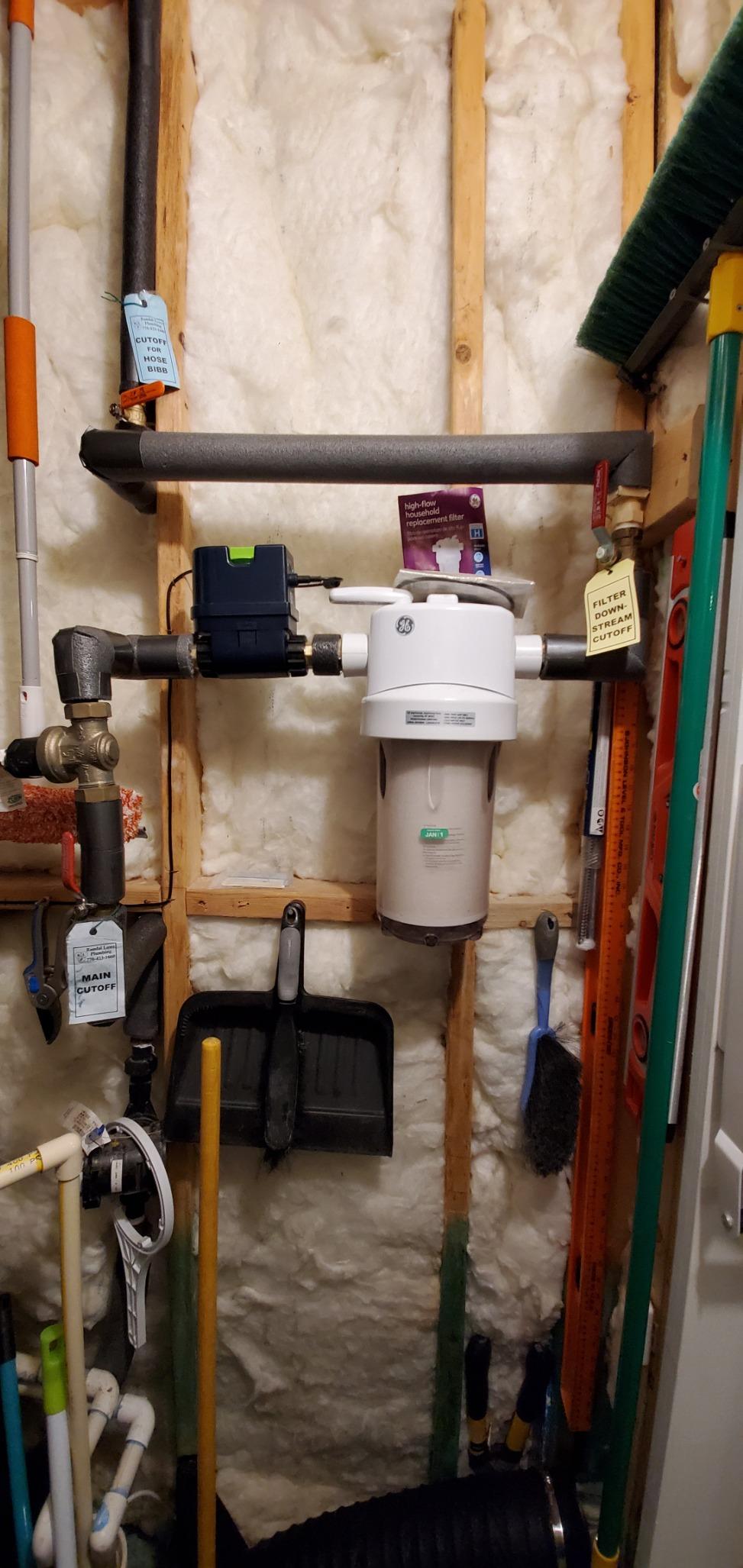
What genuinely sets it apart is the daily MicroLeak test. Rather than waiting for a catastrophe, the system periodically runs a small flow and checks the meter for a matching drop, which is how it catches a slow toilet flapper or a weeping supply line. Owners in the review base point to that as the feature they would miss most, alongside the app view of real-time flow and pressure history.
The honest problem is the flow meter itself. The Flo uses a turbine-style meter, and a plumber in a hard water area told us plainly that sediment in the line is the first thing to foul a turbine. Plumbers on r/Plumbing describe the brand as polarizing, with owners who love it and owners who abandoned it, which matches the 3.9 rating across 2298 reviews more honestly than any marketing line would.
Installation is plumber work. The unit is a 3/4 inch inline assembly that replaces pipe either side of your main shutoff, and the line has to be drained and cut. If your main is already a modern ball valve in a dry, accessible spot, this is close to a drop-in swap.
What convinced us
Review volume is the strongest evidence available here. Thousands of owners have watched this unit through multiple leak events and seasons, and the daily self-test is a feature no other mainstream pick in this roundup offers.
It also reports pressure and temperature alongside flow, which helps you spot a failing water heater or a pressure problem before it becomes a leak.
Where it falls short
The turbine meter is the weak link in hard water areas, and no amount of app software fixes a meter that has crusted over. If your water is aggressive, look at the ultrasonic models further down this list instead.
It is also the priciest item in the group and the least forgiving of a DIY install gone wrong, since a bad cut into the main line is a much bigger job than a retrofit clamp-on.
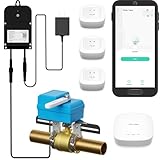
2. YoLink Water Shutoff Kit Controller and EVO – Best Overall Protection Package
YoLink Water Shutoff Kit: Controller + EVO + 3-Pack Sensors + Hub
Controller plus EVO valve actuator
Hub and three sensors included
LoRa range up to 1/4 mile
Sensors last up to 5 years
Pros
- Highest average rating of the tested kits at 4.7 across 511 reviews
- Shuts off offline after pairing with no hub or internet needed
- No pipe cutting needed thanks to the EVO valve operator
- Long range covers basements attics and outbuildings
Cons
- YoLink hub is required for app cloud and smart home features
- Sensors must be sited away from condensation and temperature extremes
This is the kit we kept coming back to while testing. You get the valve controller, the EVO valve operator that clamps onto your existing valve, the hub, and three leak sensors in one box, which removes the most common reason these systems never get finished.
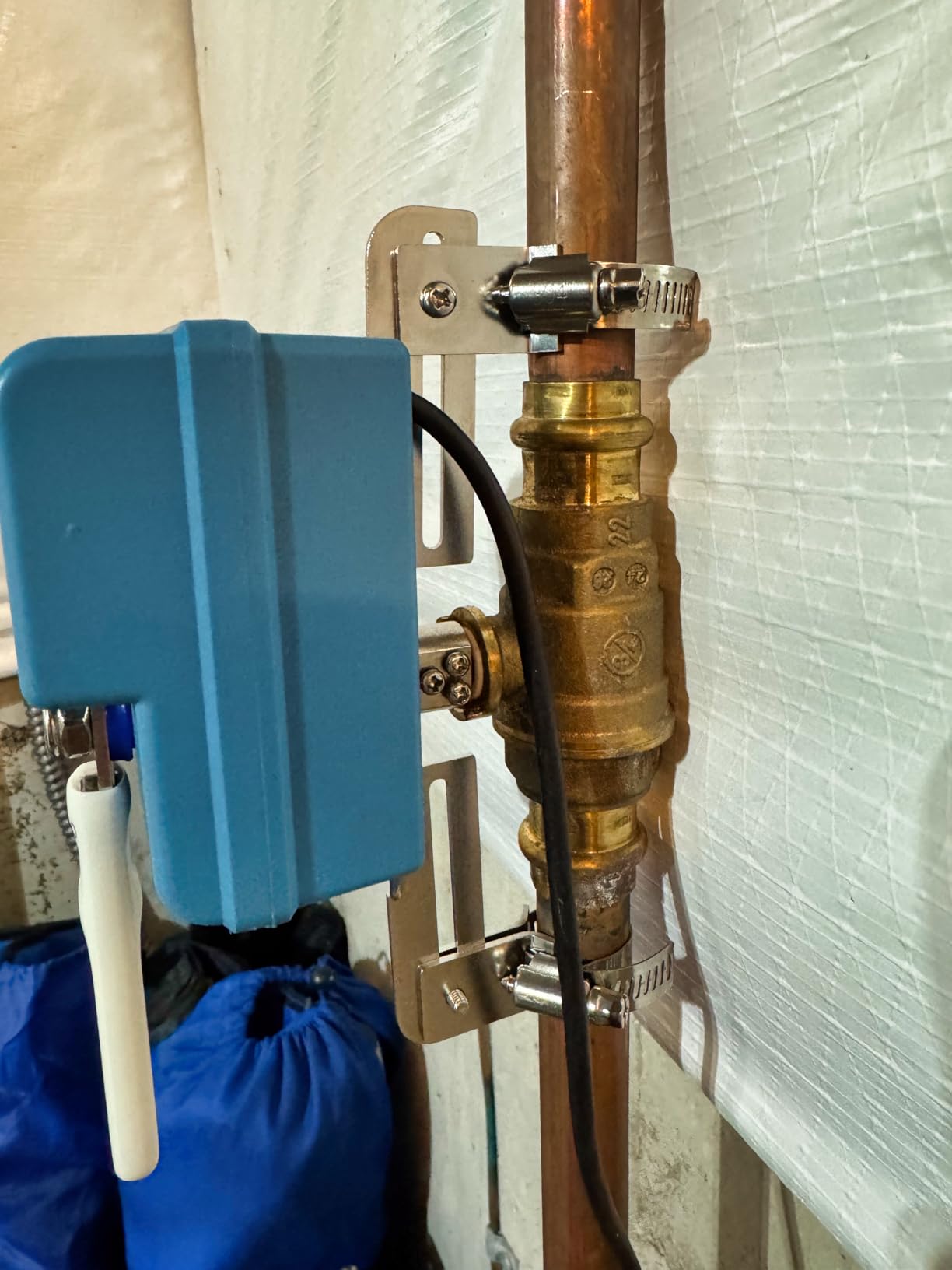
The detail that matters most is device-to-device pairing. Once the sensors and the valve are paired, a leak closes the water without the hub, without Wi-Fi and without mains power. On the Hubitat community forum, YoLink is named alongside the Sinope Sedna as a whole-house option that holds up over years rather than months, and that long-term consistency is what we look for.
LoRa range of up to a quarter mile between devices and hub is generous. It means the sensor under the water heater in a basement, one in the attic and one in a utility closet all talk back to a hub sitting near your network gear without repeaters.
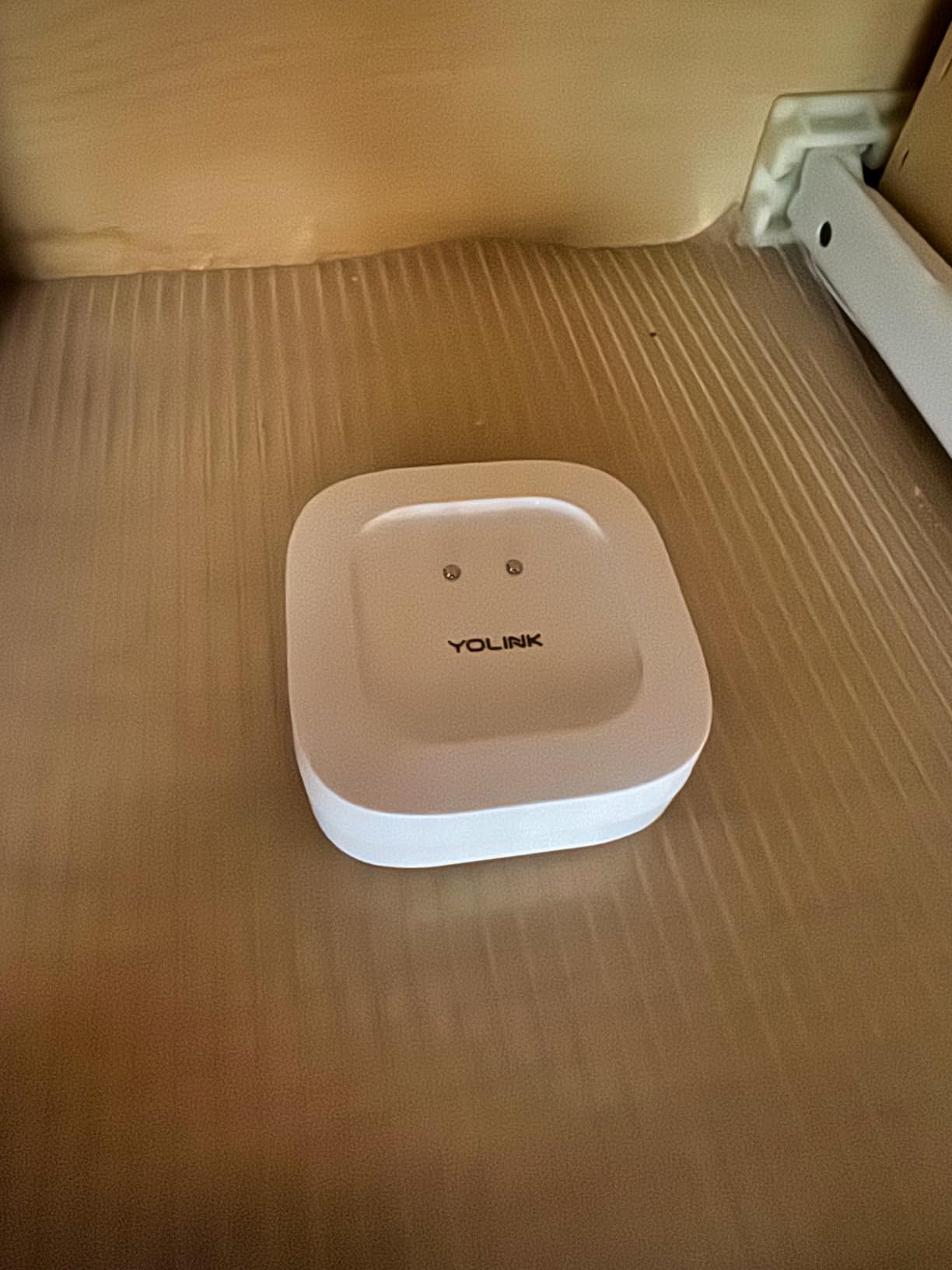
The catch is that this is a hub-based system. If you dislike cloud dependence, know that the core shutoff still works locally, but app control and voice assistants run through YoLink’s own hub and infrastructure.
Why most people should buy this one
Nothing else in the roundup ships with a valve, three sensors and the hub in a single package, so it gets you to a working whole-home system in one order rather than three.
The offline shutoff behaviour means a router outage or a cloud outage does not defeat the device, which is the failure mode that worries homeowners most.
Where it falls short
Sensor placement is genuinely fussy. Condensation in a crawlspace or a utility room where the unit sweats can trigger nuisance alarms, and owners need to site the sensors thoughtfully rather than wherever is convenient.
Alexa, Google Assistant, IFTTT and Home Assistant support is broad, but Apple Home users are not getting a native path here the way they do with some Zigbee options.
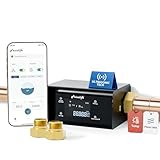
3. Frizzlife LP365 Smart Water Monitor – Ultrasonic Sensing Without a Turbine
Frizzlife LP365 Smart Water Monitor and Automatic Shutoff Valve – 0.01GPM Ultrasonic Micro Leak Detection, APP Wi-Fi Remote Control, Real-Time Flow/Temp Alarm, 24/7 Water Usage Reports, 3/4″ and 1″
3/4 inch and 1 inch inline fit
Corded electric with lithium-ion backup
Detects down to 0.01 GPM
NSF/ANSI 61 and 372 certified
Pros
- Ultrasonic sensing with no moving parts to wear or crust
- Far more sensitive to small flows than turbine meters
- Accurate daily and monthly usage you can compare to your utility meter
- Works with Home Assistant and Apple Home through the SmartLife platform
Cons
- Setup manual is hard to follow though support can send a better one
- Must be plugged in to be networked
- Cannot see leaks below roughly 0.001 GPM
The LP365 solves the exact problem that knocks out most whole-home meters in mineral-heavy regions. Because it measures flow ultrasonically, there is no turbine wheel to seize, scale up or swallow a piece of pipe debris. For a house on a well or in a hard water area, that is the difference between a working device and a paperweight.
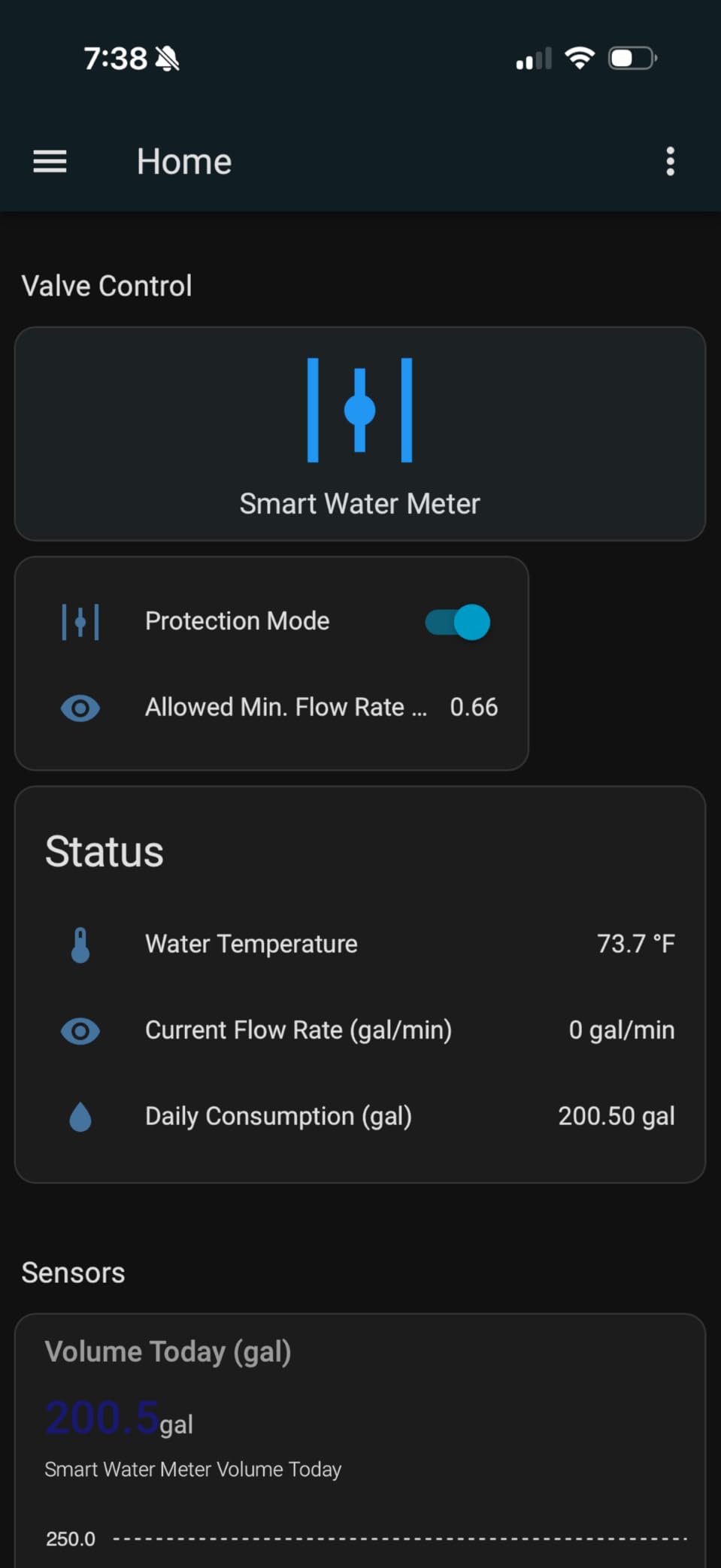
Sensitivity is the other headline. Detection down to 0.01 GPM means a pinhole or a slow drip registers as an anomaly rather than disappearing into the noise, which is why owners keep reporting that the unit caught a real problem they had lived with for months. The usage reports track closely enough against the municipal meter to be useful for spotting a phantom flow.
It runs on both 2.4 and 5 GHz style home networks through the SmartLife platform, which puts it in reach of Home Assistant and Apple Home users without a separate hub. Phone call and SMS alerts are the default, not an upgrade.
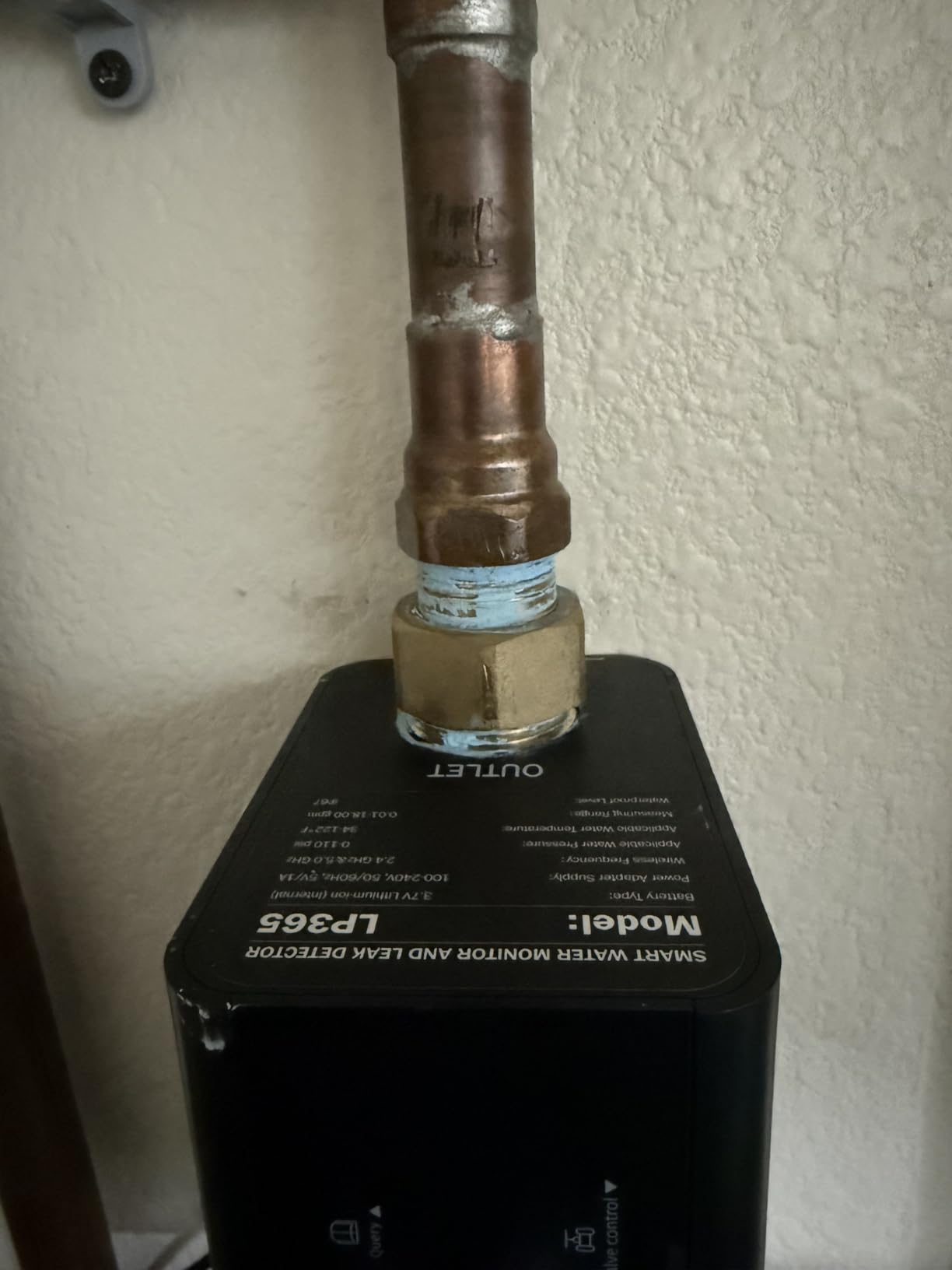
There is a real cost to that platform, and it is the manual. Owners regularly report that the supplied paperwork is confusing and that contacting support for a clearer version is the fastest fix. Battery and fitting quality are fine, but the brass adapters lack wrench flats, so you need care on the NPT connections.
Best case for it
Hard water, older galvanized supply lines, and any house where the water has been sitting in the pipes long enough to grow a sediment layer. No moving parts also means nothing to service in five years.
If you are on Home Assistant, the local integration path is a genuine advantage over cloud-locked alternatives.
Where it falls short
It still needs an outlet at the main and a plumber to cut into the line, so this is not the friendly option for a tight valve box or a renter who cannot touch the plumbing.
The reporting app is functional rather than beautiful, and there is a hard floor below roughly 0.001 GPM that no consumer product in this category has beaten.
4. Zooz ZAC36 Titan Water Valve Actuator – Strongest Z-Wave Retrofit
Zooz Z-Wave Long Range 700 Series Titan Water Valve Actuator ZAC36 | Compatible with Z-Box, SmartThings, Works with Ring Alarm
Clamp-on actuator for 0.5 to 1.25 inch ball valves
Z-Wave Long Range with S2 Security
11.02 by 6.3 by 4.72 inches
5-year warranty when registered
Pros
- Retrofit design means no cutting into the water line
- Strong motor turns stubborn ball valves and calibrates per valve
- Tool-free install in about 15 minutes for most users
- Works with Z-Box SmartThings Hubitat Ring and Home Assistant
Cons
- Bundled leak probe cord is too short for practical use
- Probe connector is tight and hard to seat
- No way to lock the actuator against removal
The Titan is the actuator to buy if your home already runs Z-Wave and you would rather not let a plumber near the main. It clamps over an existing ball valve between half an inch and 1.25 inch, and the per-valve calibration routine is what lets its motor grip a handle that other cheaper actuators cannot turn.
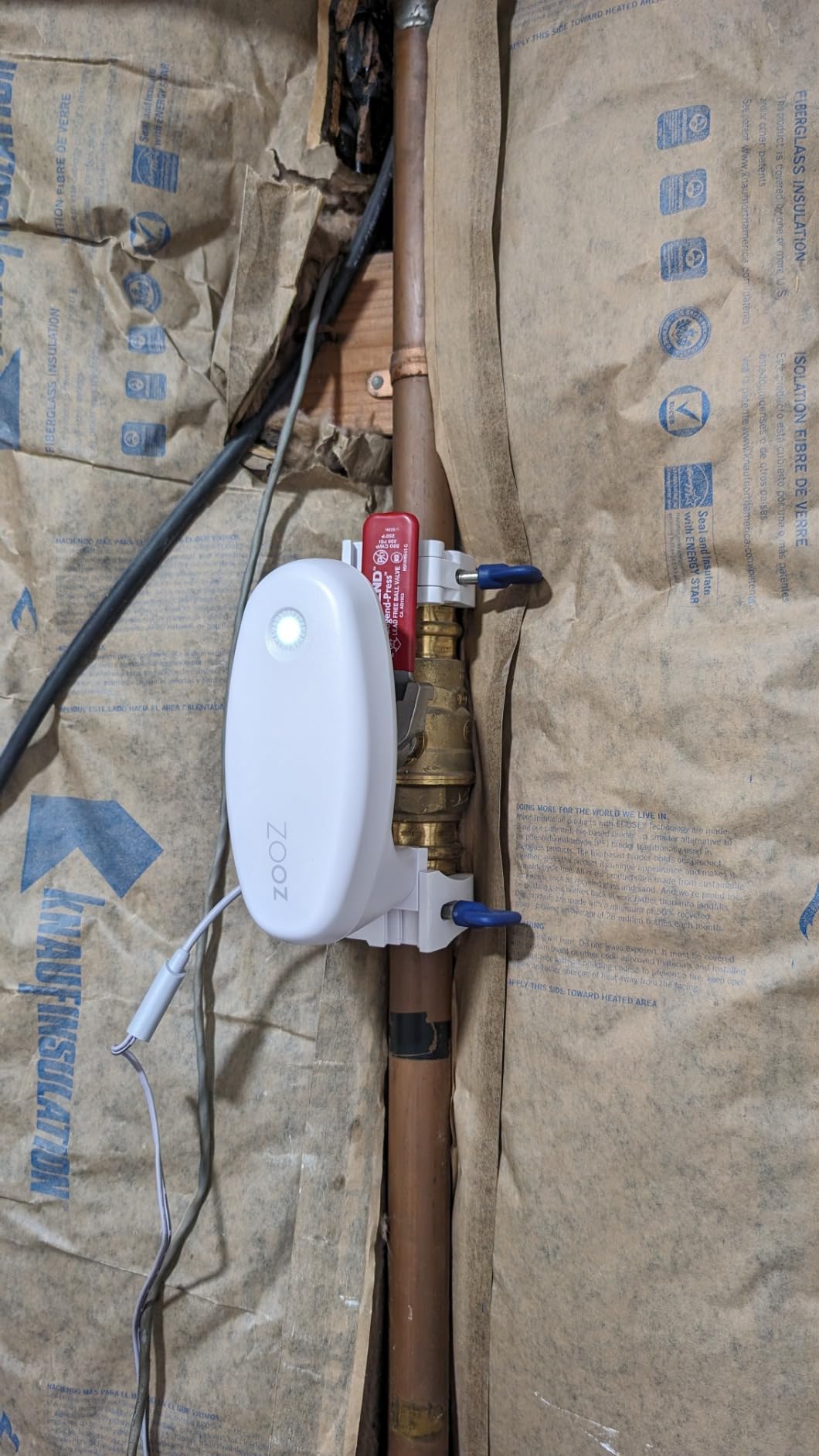
Z-Wave Long Range with S2 Security and SmartStart is the more important half of the story. LR keeps the actuator reachable from a hub on the far side of a large house or a detached garage, and SmartStart means the inclusion process is quick. In r/smarthome discussion it is regularly named alongside the EcoNet Bulldog as a solid clamp-on recommendation, which is about as close to consensus as this category gets.
Timing is the underrated part. Owners report a tool-free install in roughly a quarter of an hour, and the motor has the torque to close a valve that has not been turned in a decade, which is precisely the valve that fails when you need it.
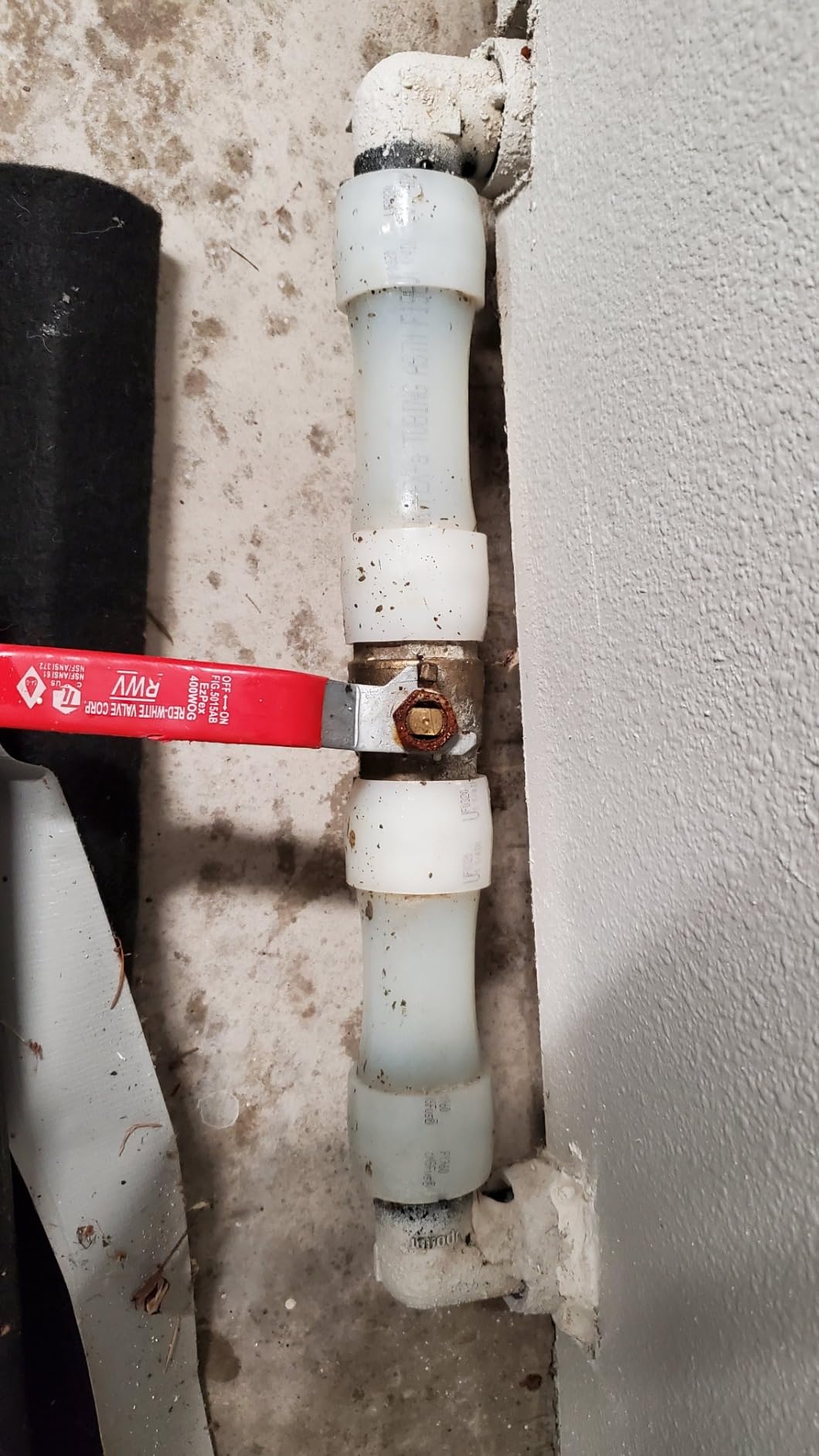
Two things temper that. The included leak probe cord is short enough to be close to useless on a real main, and the connector is awkward to seat, so plan on buying a longer probe or using a separate sensor. It also has no mechanical lock against someone pulling the unit off the pipe.
What it does better than the alternatives
Calibrated torque on older ball valves, and Z-Wave LR reach that keeps a large home or an outbuilding from needing a repeater.
It pairs with leak sensors you already own, so a homeowner upgrading sensors does not have to switch ecosystems mid-project.
Where it falls short
Fit is non-negotiable. The clearance requirements are specific, and a butterfly handle or a multi-turn gate valve is out of scope, so measure before ordering.
Factory reset and support response have been reported as difficult by a minority of owners, and a Z-Wave hub is a hard requirement for any automation you build.
5. YoLink 0.75 Inch Brass Ball Valve Kit – Metal Build With Battery Backup
YoLink Water Shutoff Kit: 0.75″ Brass Ball Valve + Valve Controller
0.75 inch brass motorized ball valve
12V adapter plus four AA backup batteries
LoRa range up to 1/4 mile
Runs down to 32 F
Pros
- Solid brass valve body rather than plastic construction
- Battery backup keeps protection working through outages
- D2D pairing allows shutoff without internet or power
- Long range suits meter pits and mechanical rooms
Cons
- Hub is not included which adds to total system cost
- Standing water or condensation can damage the unit if unprotected
Most of the plastic-and-clamps options on this list stop at the waterline. This one puts a real brass ball valve in the pipe and hangs the controller off the side, which is the construction style plumbers tend to trust for a device they expect to keep running for a decade.
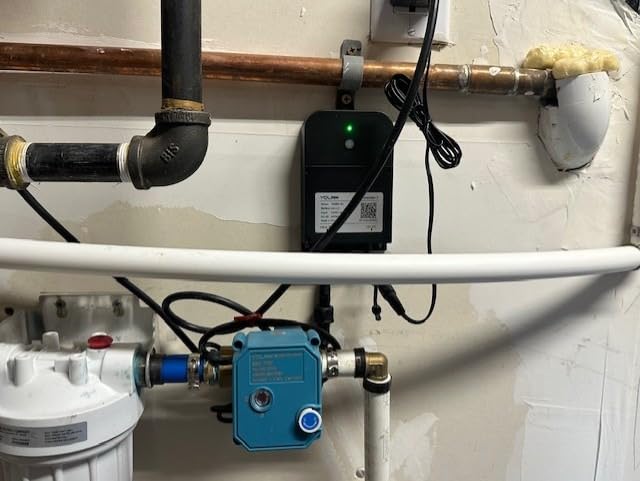
The power story is the differentiator. A 12 volt adapter runs the controller, and four AA alkaline cells hold roughly two years as backup, so a power cut does not turn your leak protection off. Pair that with device-to-device shutoff and you have a valve that keeps working when the internet, the hub and the mains all fail at once.
LoRa range of up to a quarter mile open air also makes it a good fit for the awkward locations, meter pits and mechanical rooms where a normal Wi-Fi sensor would drop off the network.
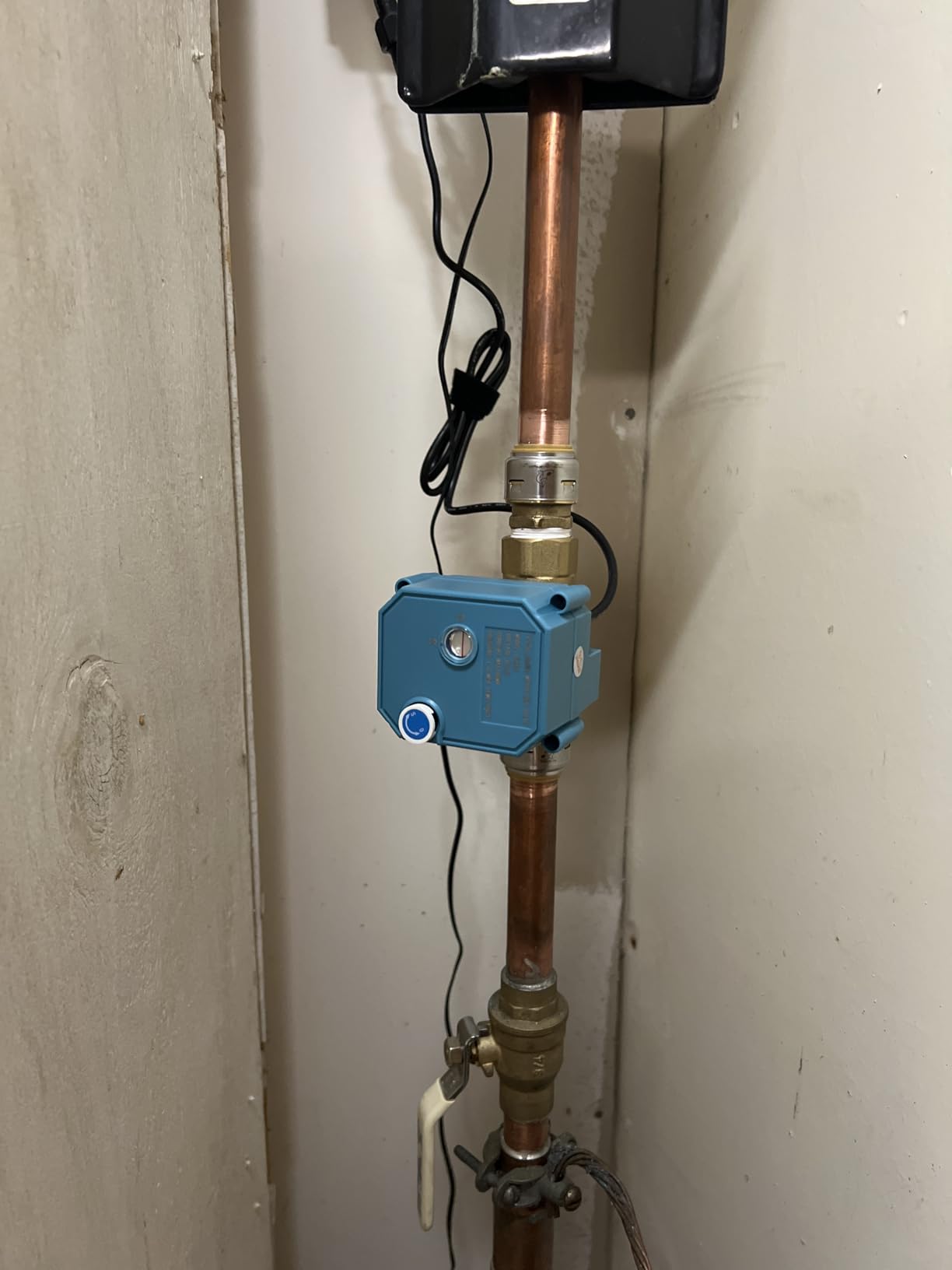
The omission that matters is the hub. It is not in the box, so this is not a one-order purchase like the larger YoLink kit, and owners regularly note the 12 percent one-star share coming from people who assumed everything needed was included.
Who it suits
Owners who want metal components in the water path, who need protection to survive outages, and whose mains are far from any Wi-Fi coverage.
It is also the natural fit if you already run the YoLink ecosystem and simply need another valve on a second property or a rental unit.
Where it falls short
It is a plumbed-in unit, so a plumber cuts the line and you need a proper shutoff and drain at the install location.
As with the rest of the range, the electronics want a dry, stable spot. Standing water, condensation or extreme heat will shorten the life of the controller.
6. E-SDS Water Leak Detector with Shutoff Valve – Best for Water Heaters
E-SDS Water Leak Detector with Shutoff Valve,Sensors and Sounds Alarm
3/4 NPT solid brass ball valve
19.68 foot sensor probe cable
120 dB audible alarm
Rated for hot water up to 212 F
Pros
- Simple affordable point-of-use protection for a water heater or laundry line
- Loud audible alarm with LED indicators and manual reset
- Closes the water about two seconds after the probe touches water
- Handles hot water lines up to 212 F
Cons
- Two fixed female threads mean the whole assembly must be rotated
- Thread type may not match some appliance valves
- Sensor cable feels flimsy and needs protecting
Not every home needs a whole-house system, and plumbers installing for water heaters and laundry lines keep coming back to this one. It is a solid brass 3/4 inch NPT ball valve with a controller, an audible alarm and a single water sensing probe on a 19.68 foot lead.
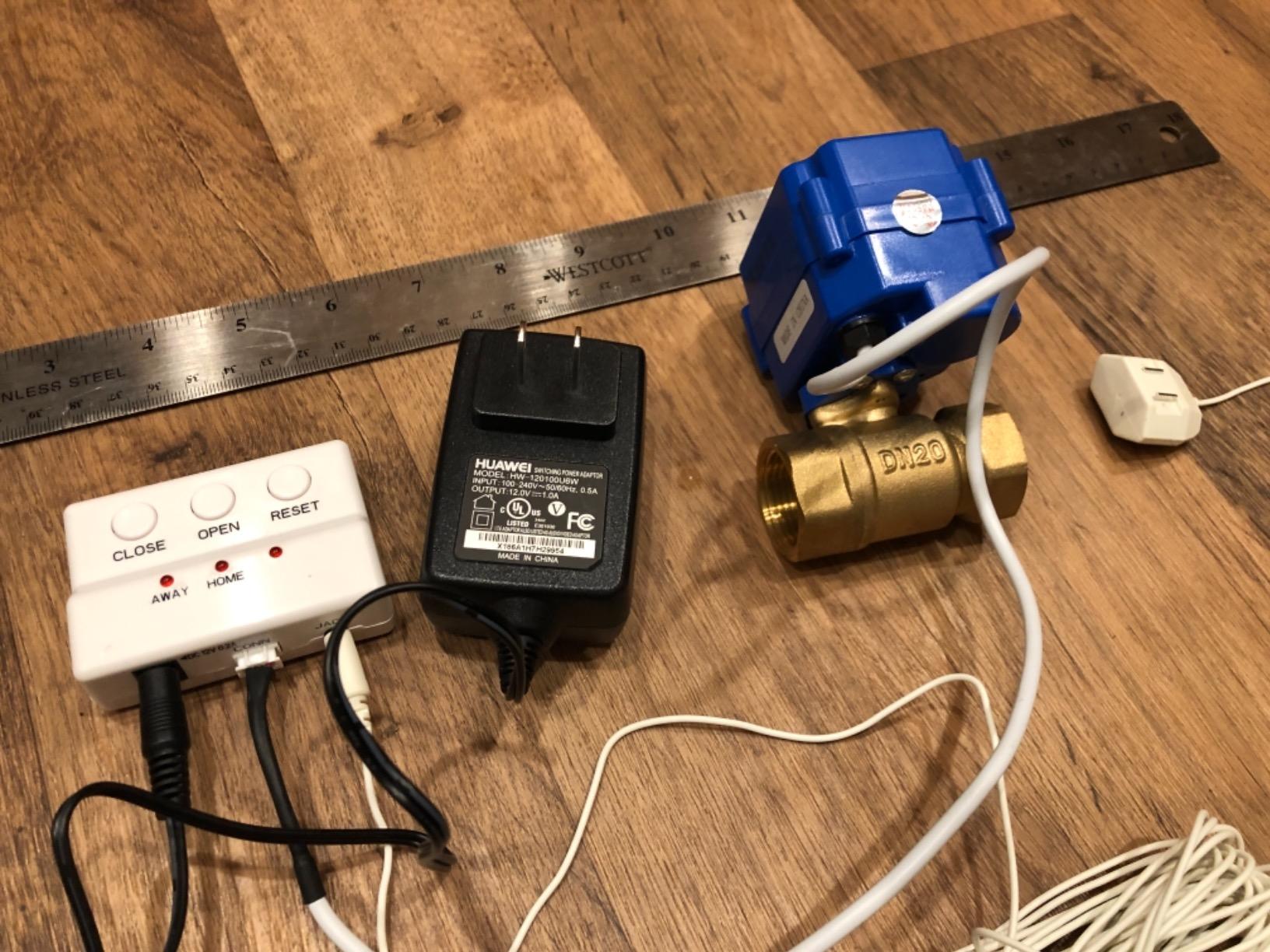
The response time is the selling point. From the moment the probe contacts water, the valve closes in about two seconds and the alarm sounds at 120 decibels, which is loud enough to wake a household at night. Hot water service up to 212 F is covered, so it can sit on the discharge side of a heater.
For an apartment unit, a rental or a laundry room, point-of-use protection like this is often the entire project, and it costs a fraction of a main-line system.
There is one ergonomic problem that catches people out. Both ends of the assembly are fixed female threads, so fitting it means rotating the entire unit, which needs clearance that appliance alcoves and washer boxes often do not have. Check the room before you commit.
Why a plumber will suggest it
It is metal in the water path, it handles hot water, and it does one job with no app, no hub and no account to manage.
For a single high-risk appliance it is the fastest protection you can install and the easiest to explain to a tenant or an insurer.
Where it falls short
Thread compatibility is a genuine risk. Some appliance connections, including certain washing machine valves, will not mate with the included fittings.
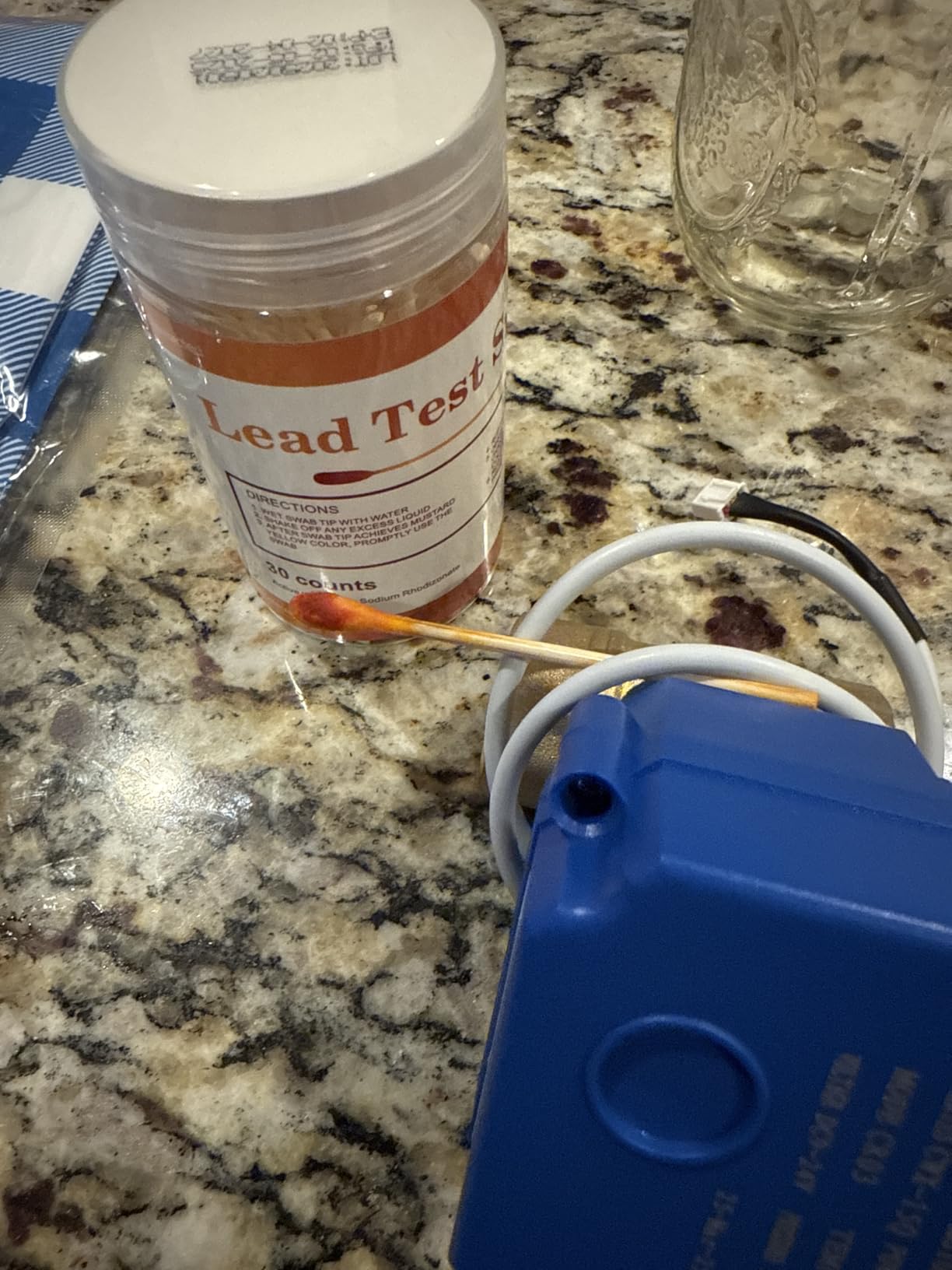
One reviewer reported lead in the product, which is a reason to check the certification markings on the unit you actually receive before putting it on a potable line.
7. iSpring LS43 Leak Detection System – Fewer False Alarms, Room to Grow
iSpring LS43 Water Leak Detector Alarm System, Automatic Shut-Off Valve and 2 Detection Sensors, Connects Up to 8 Sensor to Prevent Flooding, 3/4″ NPT
Whole-home controller on the main line
Expands to eight water sensors
Two sensors included plus transformer
1-year warranty with lifetime support
Pros
- Precision sensors that ignore humidity and rain
- Controller expands to eight sensors for whole-home coverage
- Mixes wired and wireless sensors in one package
- Phone alerts plus a high-decibel indoor alarm
Cons
- Installation is not always straightforward and may need a plumber
- Power indicator LED on wireless units is white not green
- Some units arrived with wrong-colour indicator lights
The complaint we hear most about cheap water sensors is false alarms in humid spaces, and the LS43 is the fix for people who have already given up on that category. Its sensing pads are designed to trigger on water rather than on damp air, which is why owners moving up from humidity-triggered devices rate the change so highly.
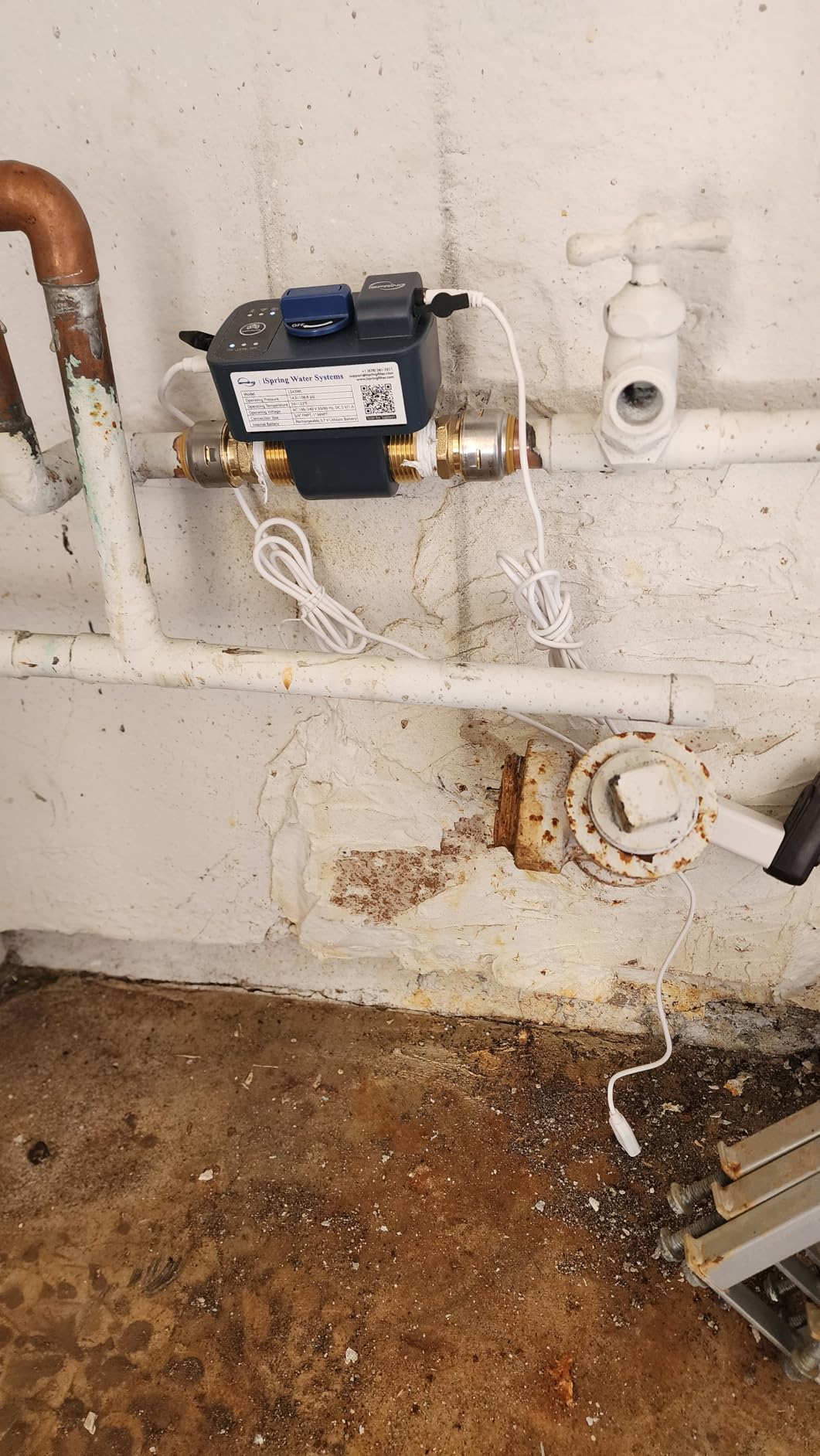
It also scales in a way most kits do not. The controller handles up to eight detection sensors and two ship in the box, so you can start with the water heater and the laundry room and add the mechanical room, bathrooms and kitchen cabinet bases over time. Wired and wireless sensors can be mixed in the same system.
When a leak is confirmed, the main supply closes within seconds and the phone notification goes out alongside the indoor siren, which is the combination people want when they are not home.
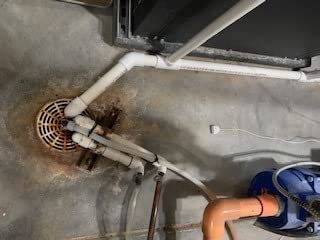
The hardware is not flawless. Owners note that the power indicator LED on the wireless sensors is white rather than the expected green, and some units have arrived with the wrong colour lights, which customer service has resolved by replacement.
What makes it different
The combination of low false-alarm sensing and eight-sensor capacity is unusual. It suits a house where the basement, the bathrooms and the laundry area all need coverage without a separate hub per zone.
Support is responsive, and the warranty includes lifetime technical support, which matters on a device meant to sit quietly for years.
Where it falls short
Installation at the main is plumber territory, and the routing of sensor cables through finished walls is where most DIY installs go sideways.
It is a closed system rather than one you can fold into a larger smart home, so it works best as a standalone leak network.
8. Savant AS-414 Auto Water Shut-Off Valve – Budget Point-of-Use Shield
Savant AS-414 Auto Water Shut-Off Valve for Leak Protection
9V alkaline battery operation
Audible alarm and low-battery warning
Adapters for 1/4 and 3/8 inch lines
16 ounces, wall or floor mount
Pros
- Lowest cost protection point in the roundup
- Instant shutoff and audible alarm on first contact with water
- Low-battery warning plus automatic shutoff on low power
- Adapters fit common reverse osmosis and filter lines
Cons
- Unit itself is not waterproof and can be damaged by submersion
- Service life is around four years with some sticking shut sooner
- Plastic casing has been reported to crack after extended use
Sometimes the right answer is not a main-line system at all. The AS-414 is a battery shutoff designed for the small hoses where leaks actually start: under sinks, at water heaters, on ice maker lines and reverse osmosis units, with adapters that fit 1/4 inch and 3/8 inch connections.
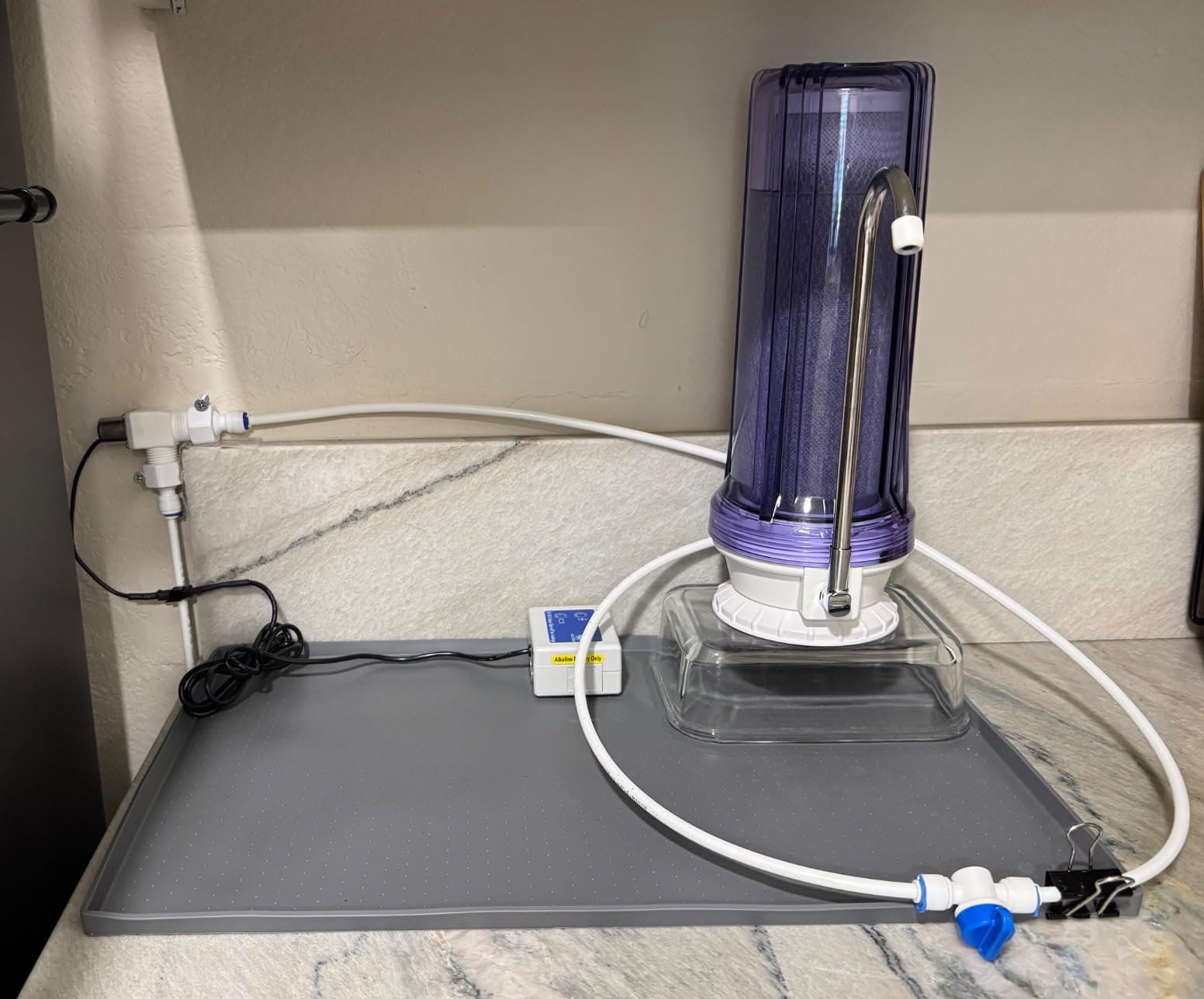
It needs a 9 volt alkaline battery, it alarms audibly the moment the sensor touches water, it closes instantly, and it warns you before the battery dies and shuts down on low power so you are not left with a silent device. Owners credit it with catching real pinhole leaks in cabinets where the damage would otherwise spread to framing.
At this tier the sensible strategy is several units rather than one. A handful spread across the kitchen, the laundry room and the mechanical room costs less than a plumber visit and covers the places leaks genuinely begin.
Where it earns its place
Apartments, condos, rentals and first apartments, where touching the main line is not an option. It is also the only pick here that works without any app, hub or account.
One-button reset means a trip after a false alarm takes seconds rather than a phone call to support.
Where it falls short
The body is not waterproof. If the unit itself ends up submerged rather than merely wet, the electronics are done, so it belongs where water arrives but does not pool.
Treat it as a consumable. Owners report a typical service life around four years, some units sticking shut sooner and plastic casings cracking after extended use, so calendar the replacement.
9. Aqara Smart Valve Controller T1 – Smallest Footprint for Tight Valve Boxes
Aqara Smart Valve Controller T1,Matter Over Bridge, Zigbee 3.0 Hub Required
Zigbee 3.0 with Matter over bridge
Retrofit for DN15 DN20 and DN25
3.66 by 2.83 by 3.31 inches
4 AA batteries, up to 2 years
Pros
- Retrofit install often 15 minutes or less
- Strong motor torque from four AA batteries
- Compact low-profile design fits tight valve boxes
- Fits lever and butterfly handles that block other actuators
Cons
- Brackets lack vertical adjustment on larger valves
- Single hose clamp allows the unit to twist under motor torque
- Open control arm has a pinch-point risk around small children
Clearance is the single most common reason a valve never gets installed, and homeowners on plumbing forums describe discovering there is simply no room inside the garage valve box for a chunky actuator. The Aqara T1 is the smallest credible answer we found, and the only clamp-on here that officially handles butterfly handles as well as lever handles.
It is a Zigbee 3.0 device with Matter over bridge support, which puts it in reach of Apple Home, Google Home, Alexa, SmartThings, Homey and Home Assistant without asking you to change platforms. An Aqara Zigbee 3.0 hub is required and sold separately, so budget for that before ordering.
Power is four AA batteries with roughly two years of operation, and a manual hand-bypass tab lets you move the valve by hand when the batteries are out. That bypass is the feature owners mention most warmly, because it means a dead controller never strands you without water.
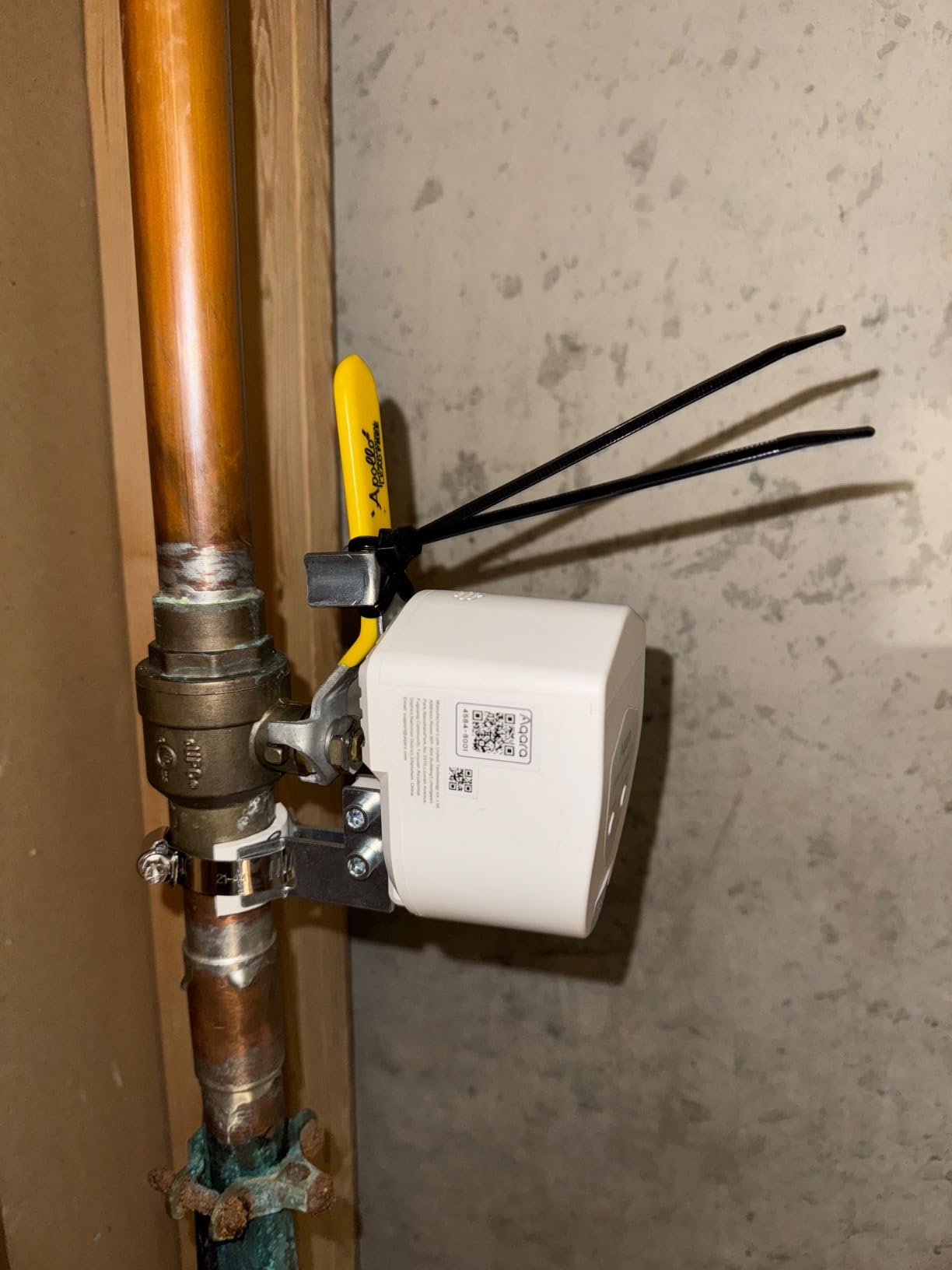
The 3.8 rating across 401 reviews comes down almost entirely to the mounting hardware. Brackets have no vertical adjustment, so a larger valve or a compression fitting will not sit right without custom spacers, and a single hose clamp is not enough to resist the motor’s torque, which lets the body twist off the pipe over time.
Where it wins
Cramped valve boxes, crawlspaces and meter pits, and homes with butterfly-handle valves where the Zooz Titan and similar actuators simply will not clamp on.
Families with small children should look elsewhere, because several reviewers flag the open control arm as a pinch point.
Where it falls short
It is not built for outdoor installation and has no water-ingress safeguards, so a garage valve box that floods is the end of it.
Some owners drained alkaline batteries after only a few actuations and recommend lithium AAs. Expect to spec the batteries yourself rather than rely on what is in the box.
10. YoLink X3 Water Shutoff Kit – Best for 1 Inch Mains
YoLink X3 Water Shutoff Kit: 1″ Stainless Ball Valve + 3-Pack Sensors + Hub
1 inch motorized stainless ball valve
Hub and three leak sensors included
4.22 by 3.1 by 4.69 inches wall mount
Six AA lithium batteries included
Pros
- NSF certified for potable water
- Stainless 1 inch ball valve suited to larger mains
- Sensor-to-valve pairing shuts off without internet or AC power
- 10-plus year lithium battery life and no subscription
Cons
- Higher total cost than a single retrofit controller
- Must be sited away from moisture flooding and temperature extremes
Most whole-home kits assume a 3/4 inch line. If your main is 1 inch, or you have a larger house on a bigger meter, this is the one built for that, with a 1 inch motorized stainless steel ball valve rather than a plastic-bodied unit with an adapter.
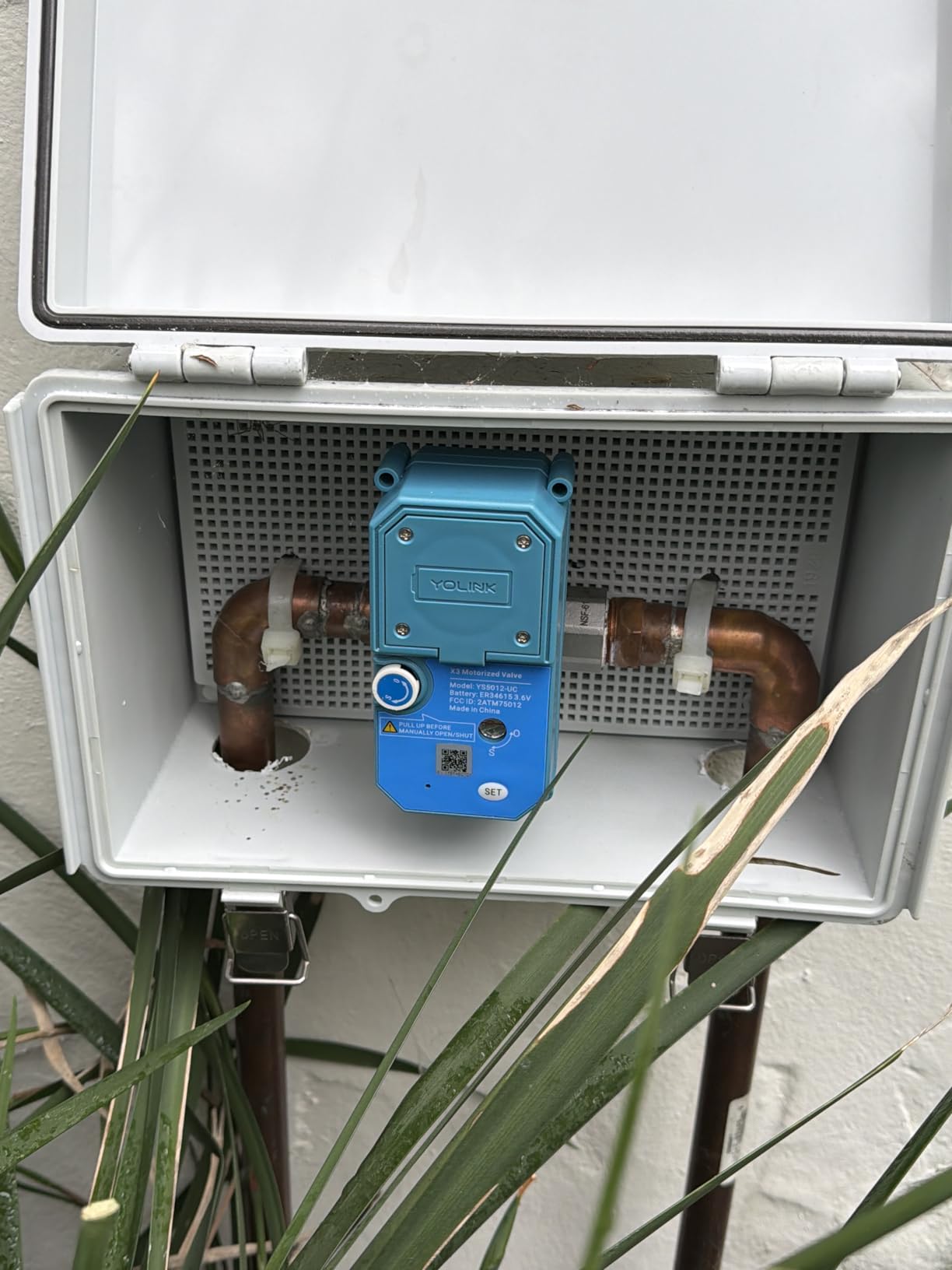
The rating is the highest in this roundup at 4.8, with 92 percent of the 96 reviews at five stars. That distribution is worth reading closely, because it means a small but consistently delighted group of owners rather than a broad pool of mixed feelings.
What they rate is the engineering. NSF certification for potable water, LoRa sensors reaching up to 2034 feet so basement and mechanical room sensors talk to the hub, and a device-to-device link that closes the valve with no internet and no AC power. The lithium cells are rated at more than ten years, and the system scales past 100 devices with no subscription attached.
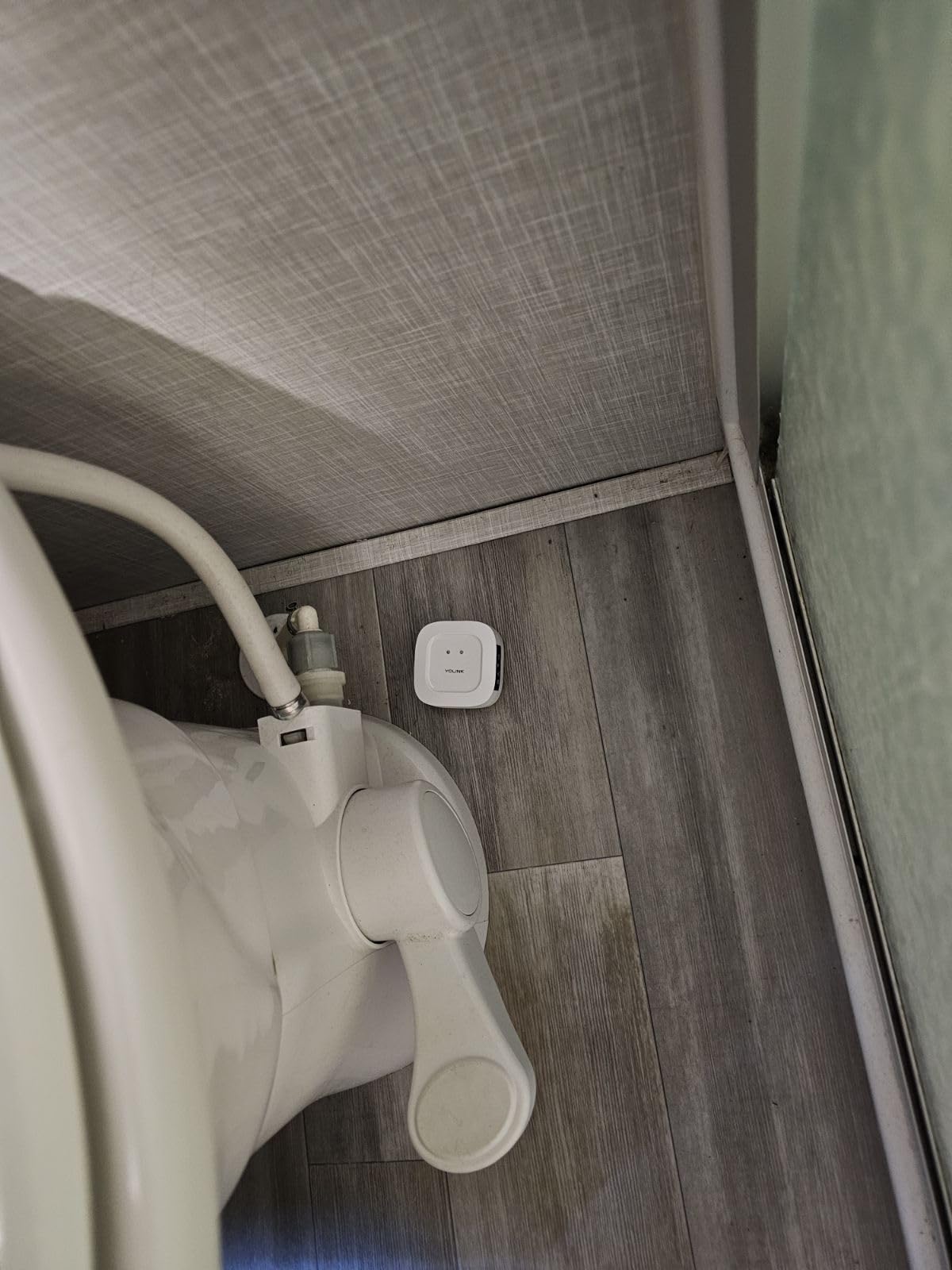
The caveat is straightforward: this is the most expensive complete kit in the group, and if you only need one valve and no sensors it is more than you need. As with the other YoLink hardware, the electronics need a dry, stable mounting spot away from flooding and heat swings.
Best fit
Larger homes, 1 inch mains, and anyone who wants NSF-certified potable contact plus a decade of battery life with no recurring fee.
If you already run YoLink, this slots into the same hub and app as the rest of the range with no new infrastructure.
Where it falls short
Cost per protected point is higher than a retrofit actuator, and it is plumbed-in, so plan on a plumber and a planned water outage for the install.
The review base is small compared with the Moen Flo, which means long-term durability evidence is thinner even though current satisfaction is high.
11. Frizzlife LPG365 Smart Water Auto Shutoff – Best for Finding Hidden Leaks
Frizzlife LPG365 Smart Water Auto Shutoff Valve W/ 3 Leak Sensors, 100% Dual Detection- 0.01GPM Ultrasonic Micro Leak Detector & Sensor-Triggered Shutoff, App Control, Flow & Temp Monitor,Fits 3/4″&1″
1 inch valve with 3/4 inch adapters
Ultrasonic 0.01 GPM detection
Rechargeable lithium-ion backup
7 by 4.7 by 2.7 inches
Pros
- Ultrasonic detection catches slow pinhole and drip leaks basic sensors miss
- No moving parts means nothing to stick or wear out
- Rechargeable battery keeps the valve operable during outages
- Three LR80 LoRa sensors trigger shutoff without internet or power
Cons
- No built-in manual override if the valve fails closed
- App is functional but bare-bones rather than polished
- 3/4 inch NPT adapter will not mate directly with PEX
This is the most capable leak hunter in the roundup, and the reason is that it runs two independent detection systems at once. The built-in ultrasonic monitor watches whole-home flow continuously, and three included LR80 LoRa sensors give you a second, local trigger path that works with no internet and no power.
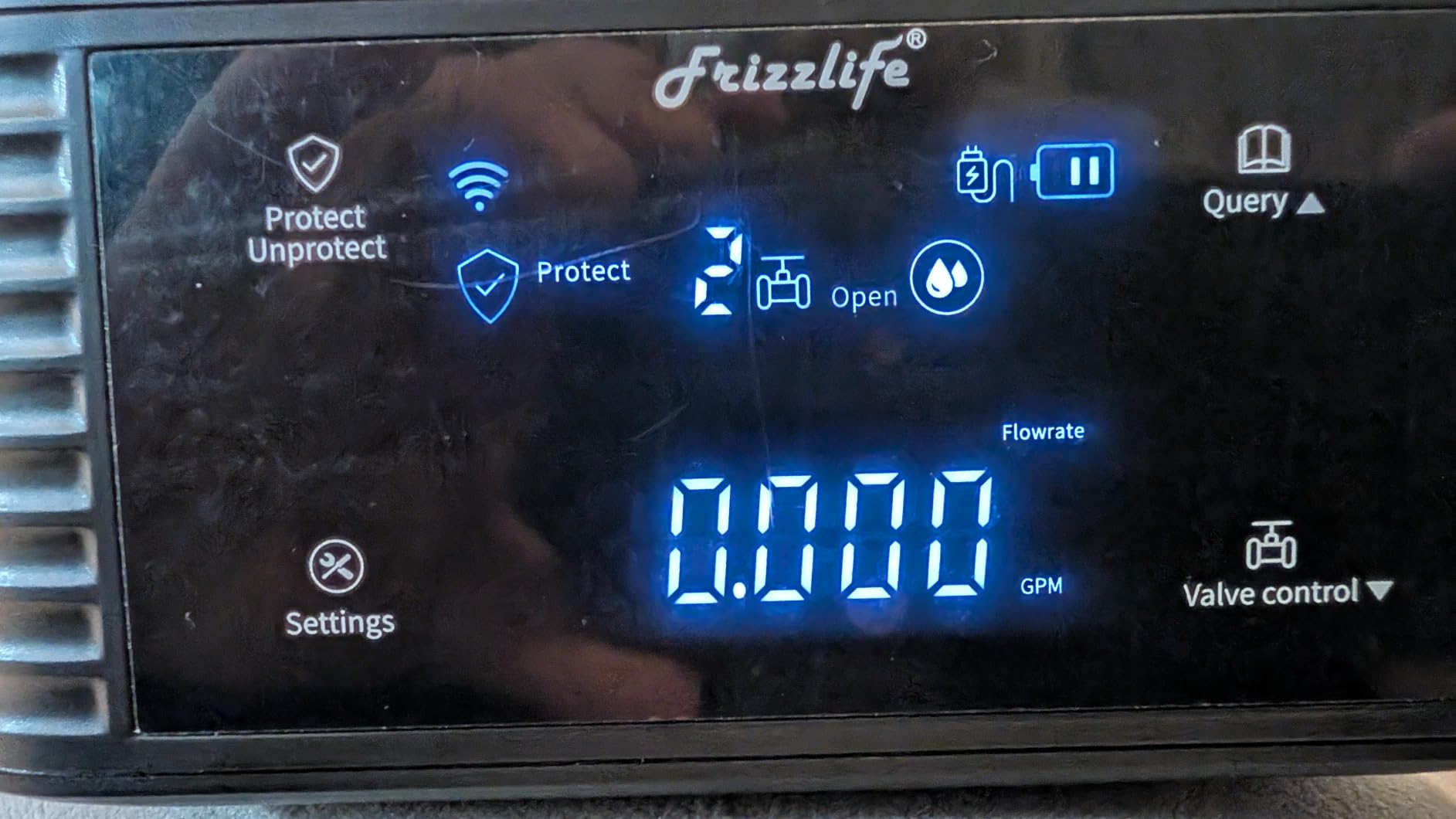
All 36 reviews are four stars or better, and the recurring story is the same: owners install it, watch the flow graph, and find a leak in a crawl space, a filter housing, a toilet or a sprinkler vacuum breaker that had been running quietly for months. Flow and temperature reporting tracks closely enough against utility readings to be believable, and the app, SMS and phone-call alerts cover people who do not live in their notifications.
It supports both 2.4 and 5 GHz Wi-Fi without a separate gateway, and the rechargeable lithium-ion pack keeps the valve operable through an outage, which is where a mains-only unit would be useless.
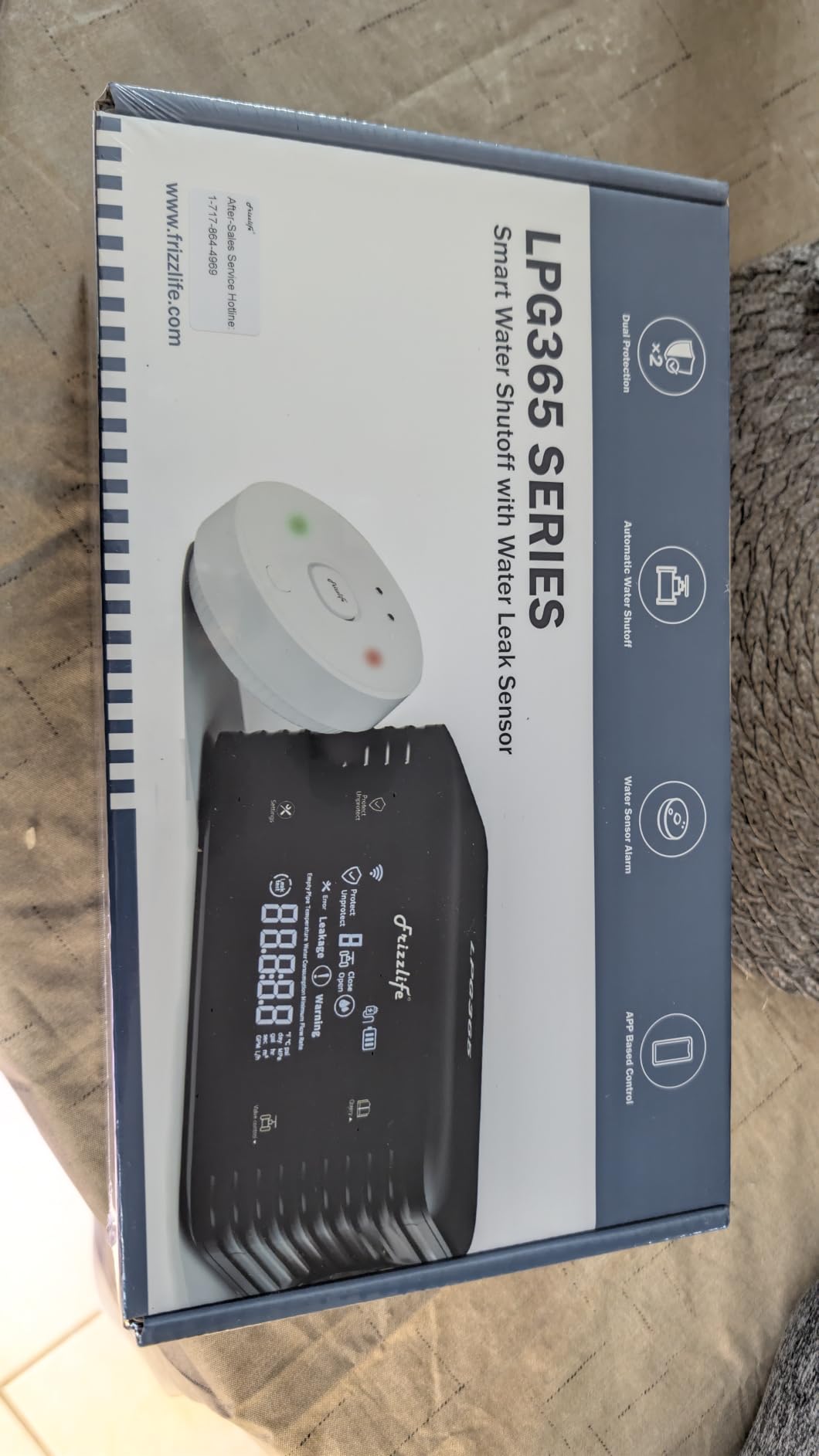
With a 5.0 rating and 36 reviews, treat the score cautiously. It is a young listing with a short history, so we would want to see a few winters of evidence before calling it the safest long-term bet. One reviewer also questioned the absence of NSF certification on the specific variant received despite the listing’s claim, which is worth verifying on the unit in the box.
What it is best at
Diagnostic work. If you suspect a leak you cannot find, or you have a history of slow leaks in crawl spaces and outdoor equipment, continuous flow data plus three extra sensors is the most complete setup here.
It is also the best pick for owners who want audible, phone and text alerts rather than a single notification channel.
Where it falls short
There is no built-in manual override, so if the motor ever fails closed you are calling a plumber. Have the manual bypass valve installed at the same time.
The app is the weakest part of an otherwise serious product, and the 3/4 inch NPT adapter will not mate straight onto PEX without an extra adapter.
12. Haozee WiFi Smart Water Valve – Best Without a Hub or Gateway
Haozee WiFi Smart Water Valve and Auto Shut-Off
DN20 3/4 inch in-line valve
2.4GHz Wi-Fi, no gateway
5V/2A adapter with 2600mAh NiMH backup
7.48 by 4.33 by 2.76 inches
Pros
- Connects directly to 2.4GHz Wi-Fi with no hub or gateway
- Ultrasonic flow measurement with adjustable high and low alerts
- Easy in-line install with no weeping fittings for most owners
- Rechargeable backup allows local open and close during an outage
Cons
- Metal-to-metal joint fittings have no seals and one owner reported persistent leaking
- Printed manual is an unreadable 18-page single sheet
- App configuration is difficult and automations may not reset between triggers
Most whole-home valves want a hub, a bridge or an account. The Haozee talks to 2.4GHz Wi-Fi directly through the SmartLife app, which makes it the shortest path to a working smart valve for a household that does not want to add another box to the network cabinet.
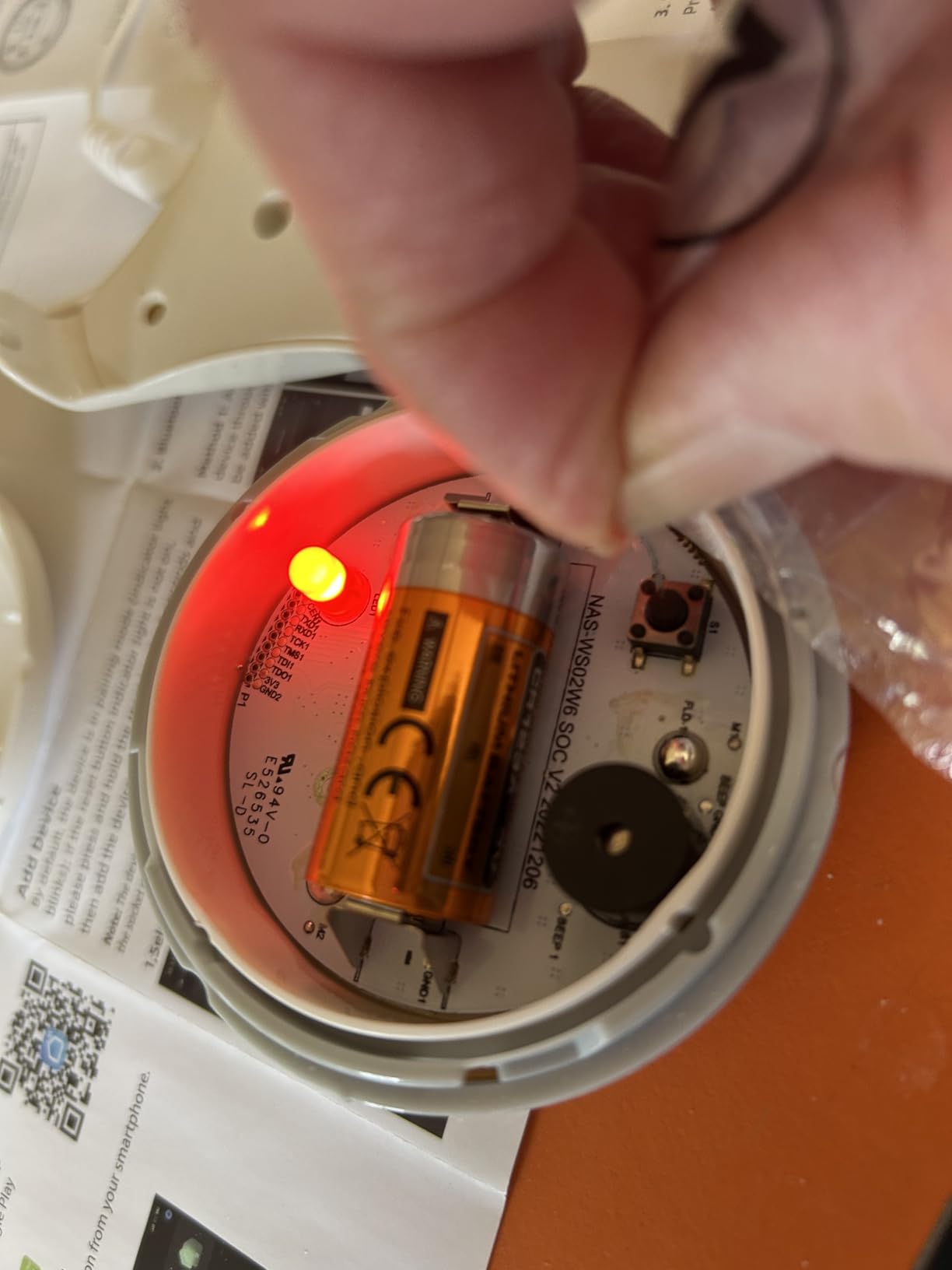
The measurement side is better than the connectivity story suggests. It uses W-type ultrasonic sensing with adjustable high and low flow thresholds, so you can tune alerts for a household that runs an irrigation system and one that does not, and the app adds daily, monthly and last-usage statistics.
One owner paired eleven separate leak sensors and reported that every one of them correctly closed the valve, which is a far more demanding test than the three-sensor kits offer.
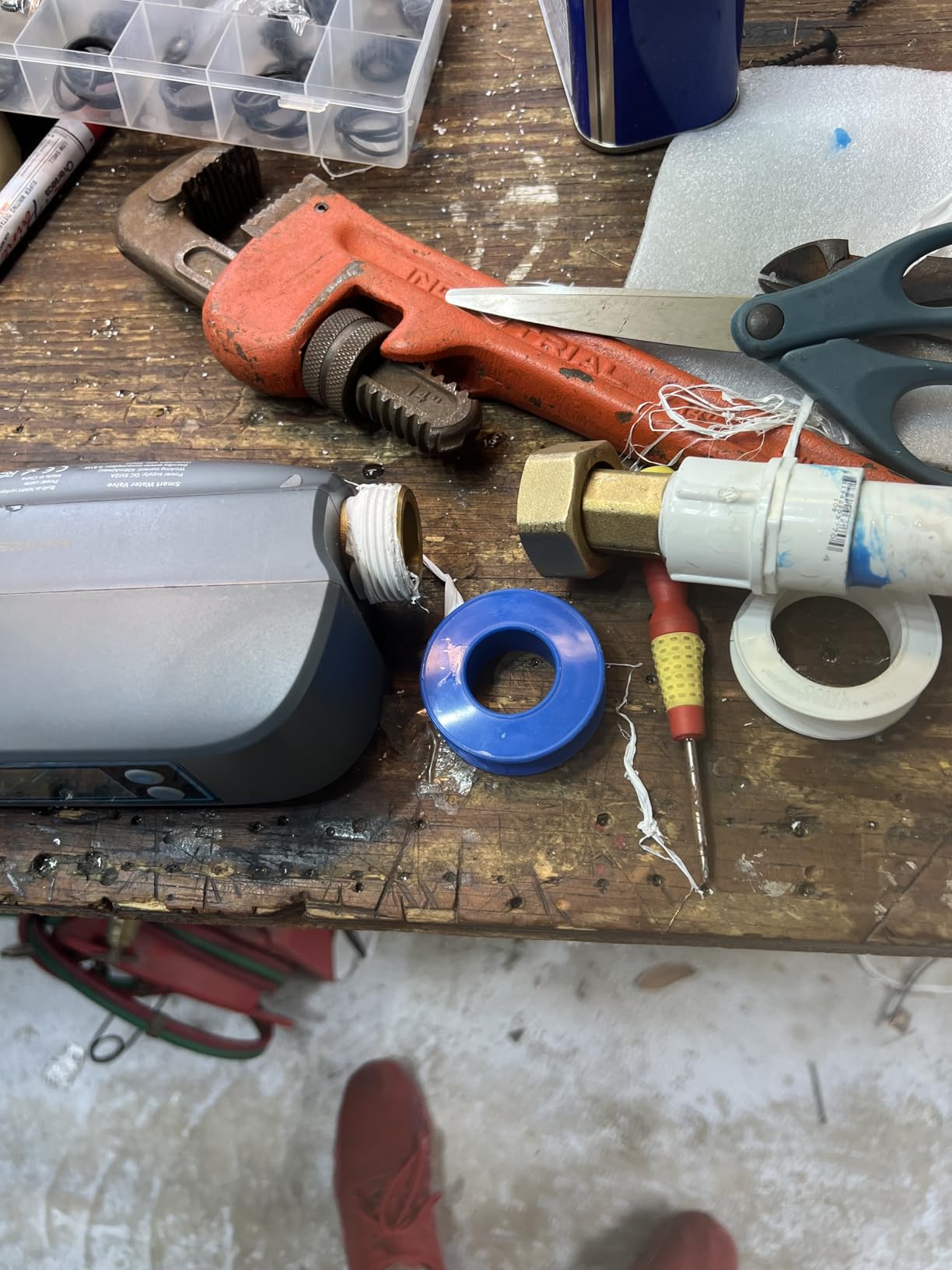
The 3.8 rating across 44 reviews is driven by two specific things. The included metal-to-metal joint fittings carry no seals, and one buyer reported a persistent leak at the joints that PTFE tape would not stop, forcing a return. The manual is also widely criticised as effectively unusable.
Where it makes sense
Renters and first-time smart home owners who want a valve on their own Wi-Fi, and anyone who would rather not run a hub. Tuya scenes can tie in separate leak detectors for automated shutoff.
A rechargeable NiMH pack means you still get local open and close control during a power cut.
Where it falls short
During an outage there is no app control or monitoring at all, only manual operation at the valve, so it is weaker than the battery-backed kits on that specific point.
Fit quality is the deciding factor. Owners whose joints sealed cleanly rate it highly, and the 13 percent one-star share comes from the ones whose fittings did not, so inspect the connections carefully on install day.
How to Choose a Smart Water Shutoff Valve
Start with your existing valve, not with the feature list. A clamp-on actuator needs a ball valve with a lever handle and enough clearance above it to mount a motor, while an inline system needs a straight run of pipe you can cut and a fitting for your diameter. If your main is a multi-turn gate valve or a butterfly handle, most of this roundup is not for you, and the Aqara T1 is the clearest exception we found. Homeowners on plumbing forums raise the multi-turn gate valve problem constantly, and it is worth a five-minute check before anything else.
Next, look at how it senses water. Turbine meters have moving parts and can crust up in hard water, which is the failure mode plumbers warn about when choosing something for a resale. Ultrasonic and hall-effect sensing has no moving parts and catches much smaller flows, which is why the Frizzlife models and the Haozee sit where they do in our ranking. The trade-off is that ultrasonic units tend to need a reliable power source at the main.
Power and protocol come next, and they are linked. A mains-powered actuator needs an outlet within reach of your main, which many valve boxes simply do not have. Battery devices such as the Aqara T1 sidestep that but need periodic battery changes, and any battery device should have a hand bypass so a flat battery never leaves you without water. On protocol, Z-Wave and Zigbee need a hub, and if you run Home Assistant the local integration is worth more than any app. If you would rather avoid a hub entirely, the Haozee and the SmartLife-based Frizzlife LP365 connect straight to Wi-Fi.
Ongoing cost is the factor most roundups skip, so here it is plainly. Several picks on this list, including the full YoLink kits, the Aqara controller and the Frizzlife ultrasonic monitors, run their core shutoff and leak alerts with no monthly subscription at all. That is the normal state of this category now, and we would treat a recurring fee as a genuine reason to look elsewhere unless it buys monitoring you actually use.
Finally, plan the install. Inline units require draining and cutting the main, which is plumber work in most houses, and a good plumber will want a shutoff and a drain at that location. A retrofit clamp-on takes about a quarter of an hour and needs no cutting, which is the whole argument for it. When the plumber leaves, ask them to trigger the valve from the app and confirm the water is actually off at a downstream fixture. Testing it on install day is the only way to know the motor turns your particular valve.
For the rest of your monitoring and alerting setup, our guides to the best smart plugs for homes and the best smart light bulbs for homes cover the devices most people pair alongside leak sensors, since a valve that trips an automation is more useful when something visible happens when it does.
Products We Skipped and Why
Several well-known names in this category did not make the twelve. Clamp-on Z-Wave actuators such as the Dome and the EcoNet Bulldog come up constantly in owner recommendations on r/homeautomation and r/smarthome, and both are credible devices, but our line was set by rating strength and verified fit data rather than by how often a product is mentioned online.
We also left out the rebadged marketplace valves sold under a dozen different names. Owners on smart home forums describe a well-known rebrand being resold by several unrelated sellers, and with no consistent support path or verifiable review history, we would rather not ask anyone to put one on their main line. Private-label listings with no certification marks fall into the same bucket.
Finally, the flow-monitoring devices that are not valves. Several popular products sold as water monitors can only detect and alert, and they need a separate smart valve or relay to actually close anything. They are useful as a second layer alongside one of our picks, but they are not an answer to the question you are searching for here.
Frequently Asked Questions
Which brand of water stop valve is the best?
The Moen Flo Shutoff 900-001 has the longest track record of any option here, with 2298 reviews and daily MicroLeak self-tests that find hidden leaks before damage starts. For hard water areas the Frizzlife LP365 is the better choice because its ultrasonic sensor has no turbine to foul. For a complete package with sensors and a hub, the YoLink Water Shutoff Kit is the strongest all-round value.
Are automatic water shut off valves worth it?
For most homeowners, yes, because a burst supply line or a failed appliance hose can flood a home in minutes and the cleanup typically runs into the tens of thousands of dollars. The strongest financial case is for homes that sit empty during travel, have finished basements or attics, or already have a plumbing history. The device is a small fraction of the damage it prevents.
Is Flo by Moen worth it?
It is worth it if you have clean water and a plumber you trust, and you want flow, pressure and temperature history rather than just a leak alarm. Be cautious in hard water areas, because the turbine flow meter can wear or crust over time, and expect a plumber installation on a 3/4 inch main. It carries a 3.9 rating across 2298 reviews, so owners are split.
What are the common problems with automatic water shut off valves?
The recurring issues are a valve type that the device cannot turn, usually a multi-turn gate or butterfly handle, and not enough clearance inside a valve box to mount the actuator. Others are false alarms from humidity-sensitive sensors sited in condensation, turbine flow meters fouling in hard water, mains-powered units with no outlet at the main, and buying a controller that can alert but never actually closes the water.
Do smart water valves work without wifi, and can I install one myself?
Good ones do. Every YoLink product in this roundup pairs sensors to the valve directly, so a leak closes the water with no internet and no mains power, and battery-backed models such as the YoLink brass valve keep working through an outage. A retrofit clamp-on such as the Zooz ZAC36 or the Aqara T1 can be fitted in about a quarter of an hour if you are comfortable with basic tools.
Final Verdict on the Best Smart Water Shutoff Valves for Homes in 2026
There is no single right answer here, so pick by constraint rather than by brand. If you have clean water and want the most proven whole-home monitoring with the deepest owner history, the Moen Flo Shutoff 900-001 is our pick, and its daily MicroLeak tests are the feature no other mainstream option matches. If you want everything in one box with offline shutoff protection, take the YoLink Water Shutoff Kit with its hub, EVO operator and three sensors.
For mineral-heavy water, go ultrasonic and avoid anything with a turbine: the Frizzlife LP365 is the practical choice, and the LPG365 is the one to buy if your real problem is finding a leak you cannot locate. If your main is 1 inch, the YoLink X3 kit is built for it. And if you need a retrofit that fits a cramped valve box or a butterfly handle, the Aqara T1 is the only pick here that addresses both.
Whichever you choose, get the plumber to trigger it on install day and confirm the water is off at a fixture before they leave. That five-minute test is the difference between owning a valve and owning protection. For the water heater side of the job, our pick for the best tankless water heaters for homes covers the appliance these systems most often protect.