
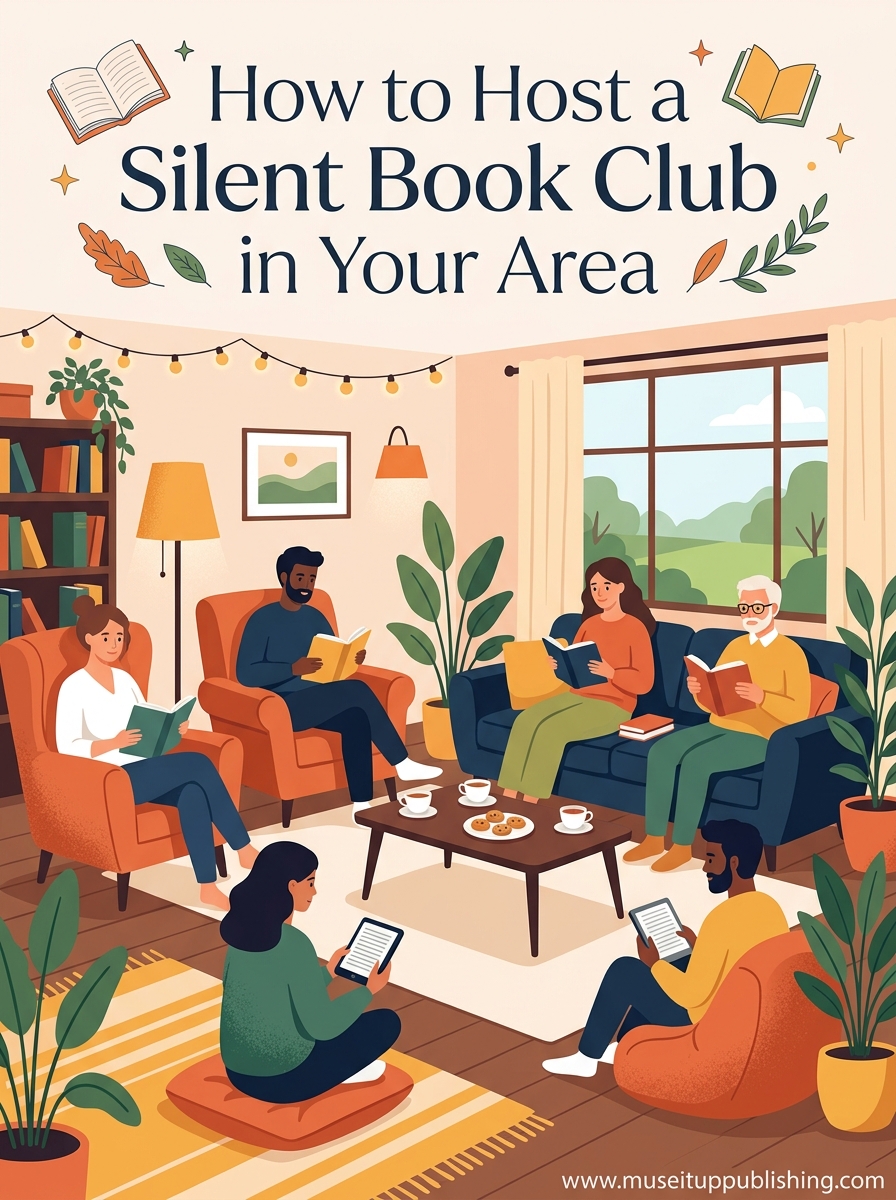
If you have ever finished a great book and wished someone was sitting nearby doing the exact same thing, you already understand the appeal of a silent book club. Learning how to host a silent book club in your area is one of the simplest ways to build a reading community without the pressure of assigned chapters, discussion questions, or awkward small talk.
Our team has watched this movement grow from a handful of meetups to thousands of chapters worldwide. People are hungry for low-pressure social connection built around a shared love of reading. The best part is that you do not need a library degree, a big budget, or a huge network to get started.
This guide walks you through every step, from understanding what a silent book club is to hosting your first event and growing it into a thriving local community. Whether you live in a bustling city or a small town, these strategies will help you create a welcoming space where readers can gather, read, and connect on their own terms.
Table of Contents
What Is a Silent Book Club?
A silent book club is a bring-your-own-book gathering where readers meet at a venue, share a few minutes of social time, and then read quietly together for about an hour. There is no assigned reading, no mandatory discussion, and no pressure to perform. Everyone reads whatever they want at their own pace.
The concept is rooted in what psychologists call parallel play. Toddlers do it when they sit side by side, each absorbed in their own activity, simply enjoying the presence of another person. Adults crave that same feeling. Reading alongside others provides a sense of companionship without demanding constant conversation.
A typical meetup lasts about 90 minutes. The first 15 to 30 minutes are for mingling, ordering drinks, and casually sharing what everyone is reading. Then comes the quiet reading hour, which is the heart of the experience. The final 15 minutes are optional. Some attendees share their thoughts about their books, while others pack up and head out.
Silent book clubs have been called a happy hour for introverts, and that description fits perfectly. You get the warmth of community without the social drain of a traditional book club where everyone must have opinions ready about the same title.
Why Start a Silent Book Club in Your Area
Traditional book clubs are wonderful for many readers, but they also come with obligations that can feel exhausting. You must buy or borrow a specific book, finish it by a deadline, and come prepared to discuss themes and character arcs. For a lot of people, that structure turns reading into homework.
Silent book clubs remove every one of those barriers. You bring whatever you are already reading. You can be on page 3 or page 300. Nobody quizzes you, and nobody judges your taste. That freedom is why these gatherings have exploded in popularity among introverts and busy professionals alike.
Reading at home is comfortable, but it can also feel isolating. Forum discussions on Reddit reveal that many silent book club attendees started because they wanted connection without conversation. One person described it perfectly: something about being in the company of people doing something you love makes you feel seen.
When you start a chapter in your area, you are creating a space for readers who have been quietly looking for exactly this kind of gathering. You might be surprised how many people show up once they know it exists.
How to Host a Silent Book Club in Your Area: Step-by-Step
Hosting a silent book club is remarkably straightforward, but a little planning goes a long way. Here is a complete step-by-step breakdown of how to host a silent book club in your area, from your first decision to your first successful event.
Step 1: Decide on Official Chapter vs. Independent Group
Your first decision is whether to register as an official Silent Book Club chapter or run an independent reading meetup. Both approaches work, and each has its own benefits.
Registering with the official Silent Book Club organization gives you a listing on their global map, access to organizer resources, logos, templates, and a style guide. It also connects you to a network of experienced hosts who can answer questions. The organization does ask that you follow their branding guidelines and respect their trademark.
Running an independent group gives you complete creative freedom. You can call it a quiet reading group, a community reading hour, or anything you like. You set the rules, the format, and the schedule without any external guidelines. Many organizers start independently and later register once their group is established.
Step 2: Find a Co-Host or Partner
Hosting alone is doable, but having a co-host makes everything easier. A partner can help with venue communication, event promotion, greeting attendees, and managing the logistics on event day. You also have someone to bounce ideas off of, which keeps the experience fun rather than stressful.
Look for a co-host among your existing network first. A friend who loves reading, a coworker who keeps a book on their desk, or a neighbor who always has a recommendation is a natural fit. If your personal circle does not yield a partner, post in local Facebook groups or on Nextdoor asking if anyone wants to co-organize a reading meetup.
A good co-host does not need to be an extrovert. In fact, fellow introverts often make excellent co-hosts because they understand the vibe you are trying to create. The key is finding someone reliable who shares your vision for a low-pressure reading community.
Step 3: Choose and Secure a Venue
Your venue sets the tone for your entire group. The ideal space is comfortable, relatively quiet, has seating for your expected attendance, and ideally offers food or drinks. Coffee shops, independent bookstores, bars, pubs, libraries, community centers, and parks all work well.
Start with venues that already host community events. A coffee shop with a bulletin board full of flyers is more likely to welcome your group than one with no history of hosting meetups. Libraries are particularly welcoming because community reading aligns perfectly with their mission.
When you approach a venue, keep your ask simple. Explain that you want to bring 10 to 20 readers who will buy food and drinks, stay for about 90 minutes, and leave the space clean. Businesses love events that fill seats during off-peak hours, so consider scheduling on weekday evenings or weekend afternoons when traffic is typically slower.
Step 4: Set Your Event Format and Schedule
Consistency matters more than frequency when you are starting out. Pick a recurring schedule that you can maintain without burning out. Monthly meetups are the sweet spot for new chapters. They give you time to promote each event and give attendees something to look forward to without feeling overwhelming.
For the format itself, keep it simple. Start with 30 minutes of social time and ordering. Announce the start of the reading hour clearly so everyone knows quiet time is beginning. Set a gentle timer or simply watch the clock. After 60 minutes of silent reading, invite anyone who wants to share to do so for 15 minutes. Make it clear that sharing is optional and leaving early is perfectly fine.
This structure works because it is predictable. Attendees know exactly what to expect, which lowers anxiety for first-timers. Once your group grows, you can experiment with themed events, guest authors, or seasonal read-a-thons.
Step 5: Promote Your First Event
Promotion is where many new organizers stumble, but it does not require a marketing degree. Start with the platforms your community already uses. Facebook Events, Meetup.com, Eventbrite, and local subreddit communities are all effective channels for reaching readers in your area.
Create a simple event description that answers three questions: what is it, when is it, and what should I bring. Emphasize that it is free, that there is no assigned reading, and that attendees bring whatever book they are currently enjoying. A welcoming, no-pressure tone in your description will attract exactly the right people.
Do not overlook offline promotion. Print a handful of flyers and ask your venue to display them. Drop some off at local bookstores, coffee shops, and libraries. A physical flyer in the right spot can bring in readers who would never find your event online.
Encourage your first few registrants to bring a friend. Word of mouth is the most powerful tool for growing a reading community, and personal invitations carry far more weight than any social media post.
Step 6: Host Your First Meeting
The first meeting is always the most nerve-wracking and the most rewarding. Arrive 15 minutes early to set up, greet your venue contact, and get comfortable with the space. Bring a small sign or table tent so attendees can find you. A simple printed sign that says Silent Book Club or Reading Meetup works wonders.
As people arrive, welcome them warmly and help them settle in. You do not need to make speeches or give presentations. Just introduce yourself, ask what they are reading, and let conversation flow naturally during the social time. When it is time to read, make a clear but gentle announcement. Something as simple as, “Alright, time to read. We will reconvene in an hour,” is perfect.
Do not worry if attendance is small for your first event. Groups of 5 to 10 people are ideal for building intimacy and regulars. Quality of connection matters far more than quantity, especially in the beginning.
Step 7: Build Consistency and Grow
After your first event, the work shifts from launching to growing. Send a follow-up message to attendees thanking them for coming and announcing the next date. Ask for feedback on the venue, the timing, and the format. People who feel heard become loyal regulars.
Keep your schedule consistent. If you meet the second Tuesday of every month, stick with that. Regulars plan their calendars around your events, and changing dates frequently causes attendance to drop. Promote each event at least two weeks in advance to give people time to RSVP.
As your group grows, consider adding a second monthly event, partnering with local bookstores for special editions, or creating a private online group for members to share recommendations between meetups. Growth happens organically when you focus on creating a welcoming, reliable experience.
Finding the Right Venue: Tips and Negotiation
Venue selection can make or break your silent book club experience. The right space should have comfortable seating, adequate lighting, ambient noise that is not overwhelming, and ideally food or drink options that keep attendees happy and the venue happy.
Independent bookstores are a natural fit because their customers overlap perfectly with your audience. Many bookstores have community rooms or after-hours space they are happy to share. Coffee shops work well for smaller groups and morning or afternoon meetups. Bars and pubs are ideal for evening events and give your gathering that happy hour for introverts energy.
When negotiating with a venue, focus on mutual benefit. Explain that your group will bring consistent foot traffic during slower hours, that attendees typically purchase food and drinks, and that the venue gets exposure to a new audience. Most businesses will not charge you for space if they understand the upside.
If a venue seems hesitant, offer to start with a trial event. One successful evening is usually all it takes to turn a maybe into a yes. Always leave the space cleaner than you found it, and thank the staff personally after each event. Building a good relationship with your venue is just as important as building relationships with your attendees.
Have a backup plan in case your venue becomes unavailable. Know two or three other spaces that could host you on short notice. Venues close, renovate, or change management, and having options prevents your group from losing momentum.
Etiquette and Tips for First-Time Attendees
Setting clear expectations helps everyone relax and enjoy the experience. Here are the unspoken rules that make silent book clubs work beautifully:
- Bring your own book, e-reader, audiobook with headphones, or reading material of any kind.
- Silence your phone before the reading hour begins.
- Arrive on time for social hour so you do not interrupt the quiet reading period.
- Keep conversation to a whisper if you must speak during reading time.
- Sharing what you read is optional and nobody will pressure you to talk.
- Respect that some attendees come for the reading only and prefer minimal socializing.
- Purchase something from the venue if possible to thank them for hosting.
Communicate these guidelines gently. A quick mention during the social hour or a small printed card on each table is enough. The beauty of silent book clubs is that the format naturally encourages good behavior because everyone is there for the same reason.
FAQs
What do people do at a Silent Book Club?
People gather at a venue, socialize for 15 to 30 minutes while sharing what they are reading, then read their own books silently for an hour. After the reading hour, attendees can optionally discuss their books or simply leave. There is no assigned reading and no pressure to participate in discussion.
Are silent book clubs a new trend?
Silent Book Club started in 2012 and has grown steadily since then, but the concept has surged in popularity in recent years as more people seek low-pressure social activities. The global organization now lists thousands of chapters across dozens of countries.
Can introverts thrive in silent book clubs?
Yes, silent book clubs are designed specifically with introverts in mind. The format provides social connection without conversation pressure, allowing introverts to enjoy community while preserving their social energy. Many attendees describe it as the perfect balance of companionship and solitude.
What is the point of a Silent Book Club?
The point is to enjoy reading in the company of others without the obligations of a traditional book club. It provides community, accountability for your reading habit, and the chance to discover new books through seeing what others read, all in a low-pressure environment.
What are some Silent Book Club etiquette tips?
Silence your phone before reading time, arrive on time for social hour, keep any necessary conversation to a whisper during reading, respect that sharing is optional, and purchase something from the venue to support the business hosting your group.
What are the unspoken rules of book club?
In silent book clubs, the key rules are bring your own book, do not disturb others during reading time, never pressure anyone to discuss, and be welcoming to newcomers. In traditional book clubs, common courtesies include finishing the assigned reading, avoiding spoilers, and keeping discussion respectful.
Conclusion
Knowing how to host a silent book club in your area gives you the power to create something genuinely special for your community. You do not need a big budget, a large network, or prior event experience. All you need is a venue, a few readers, and the willingness to create a welcoming space.
Start small, stay consistent, and let the format do the work. The readers in your town are already out there, looking for exactly this kind of gathering. Pick a date, find a venue, and host your first event. Your local reading community is waiting.