
Picking your first snowboard is mostly an information problem. Every brand describes its boards in a private language of camber profiles, flex ratings, waist widths and core constructions, and almost nobody tells a first-timer which of those numbers actually matter on day one. What you end up doing is guessing, or copying whatever the shop assistant suggests.
We read through the specs, the owner reviews and the sizing details on twelve beginner-friendly boards and complete setups, then grouped them by who they suit. The result is our list of the best snowboards for beginners in 2026, covering kids who have never seen snow, adults who rent every season, riders with big feet who get heel drag on standard boards, and anyone who just wants a package that works without a second shopping trip.
Two threads came up again and again in the rider forums we checked while researching this. First, that beginners are almost always far happier on soft-flex boards with flat or rocker-dominant profiles and miserable on stiff cambered all-mountain decks. Second, that the fit of your boots and bindings matters more than the board itself, which is why so much of the advice here covers the whole setup rather than a single deck.
A note on how we picked: every spec below, from flex rating to base material to weight limits, comes from the manufacturer data or the owner review record for that specific board. We did not extrapolate from a sibling model, and where reviewers disagree with the spec sheet, we tell you. If you want a broader read on the sport first, our general beginner snowboard buying guide covers the category before this list narrows it down.
Table of Contents
Top 3 Beginner Snowboard Picks in 2026
Three picks stand out once the specs and owner feedback are lined up side by side. The System MTN and APX complete men’s package takes our top slot for sheer volume of real-world use, the Camp Seven Drifter package is the strongest balance of forgiveness and included gear, and the Valdez package leads on edge hold for riders moving quickly on icy mornings.

System MTN and APX Complete Package
- Board
- bindings and boots included
- Poplar core with EVA dampening
- Boot sizes 8-13

Camp Seven Drifter and APX Package
- Complete men's setup
- Soft catch-free EVA over poplar
- Boot sizes 8-13

Valdez Summit and APX Package
- CRCX rocker with mild tip and tail camber
- DD2 core with Edgelock stringers
- Three-year warranty
Best Snowboards for Beginners in 2026
All twelve boards and packages below earned their place on real owner feedback rather than marketing copy. Use this table to narrow the field, then read the full review on whichever two or three look closest to your height, weight and boot size.
| Product | Specifications | Action |
|---|---|---|
| System MTN and APX Complete Men’s Package |
|
Check Latest Price |
 Burton Riglet Snowboard 90cm Burton Riglet Snowboard 90cm |
|
Check Latest Price |
| Camp Seven Drifter and APX Complete Package |
|
Check Latest Price |
 System Timeless and Summit Complete Men’s Package System Timeless and Summit Complete Men’s Package |
|
Check Latest Price |
 System Juno and Mystic Women’s Package System Juno and Mystic Women’s Package |
|
Check Latest Price |
 Symbolic Arctic Complete Package Symbolic Arctic Complete Package |
|
Check Latest Price |
| Valdez Summit and APX Complete Men’s Package |
|
Check Latest Price |
 Burton Kids After School Special 80cm Burton Kids After School Special 80cm |
|
Check Latest Price |
 Camp Seven Dreamcatcher 144cm Women’s Camp Seven Dreamcatcher 144cm Women’s |
|
Check Latest Price |
 5th Element Twin Snowboard 140cm 5th Element Twin Snowboard 140cm |
|
Check Latest Price |
 STAUBER Matte Summit 143cm with Bindings STAUBER Matte Summit 143cm with Bindings |
|
Check Latest Price |
 Burton Mini Grom Rocker 80cm Burton Mini Grom Rocker 80cm |
|
Check Latest Price |
1. System MTN and APX Complete Men’s Snowboard Package
System MTN and APX Complete Men’s Snowboard Package (159 cm, Boot Size 11)
Poplar core with EVA dampening
Board, bindings and boots
Boot sizes 8-13
Pros
- Largest review base in the roundup at 464 ratings
- Complete package saves three separate purchases
- EVA over poplar gives a forgiving
- damped ride
Cons
- Listing labels it intermediate and advanced rather than beginner
- Boot sizing runs in whole sizes only
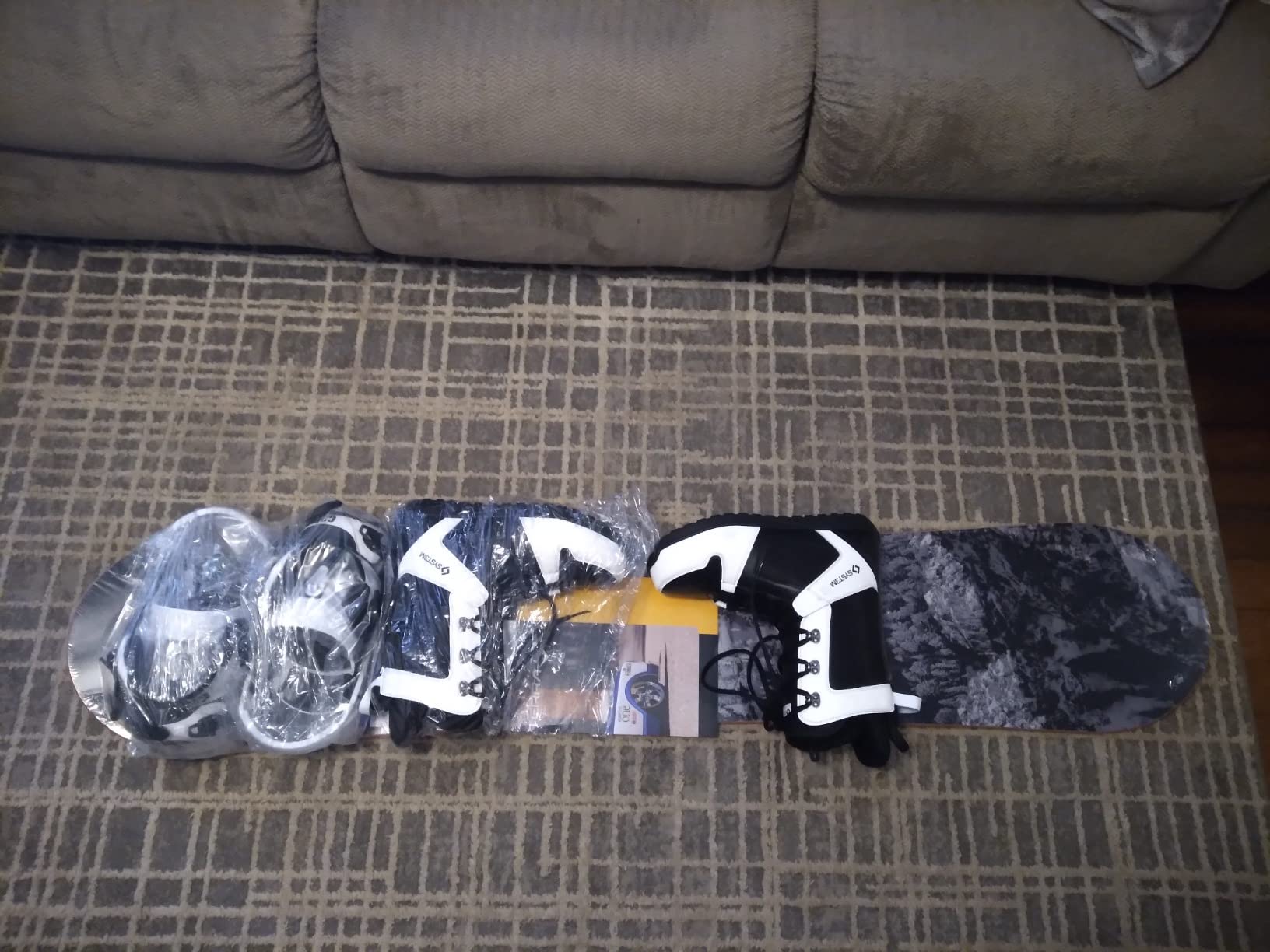
The MTN and APX is the package we kept coming back to while assembling this list, mostly because 464 ratings is far more real-world data than any other board here carries. Owners consistently describe the poplar core with EVA dampening as forgiving and easy to ride while progressing through their first season.
What makes it convenient is scope. The box holds the board, bindings and boots, so a beginner who has never fitted a binding does not have to work out mounting hardware, strap tension or liner fit before their first lesson. The EVA layer takes the harshest of the feedback out of beginner mistakes.
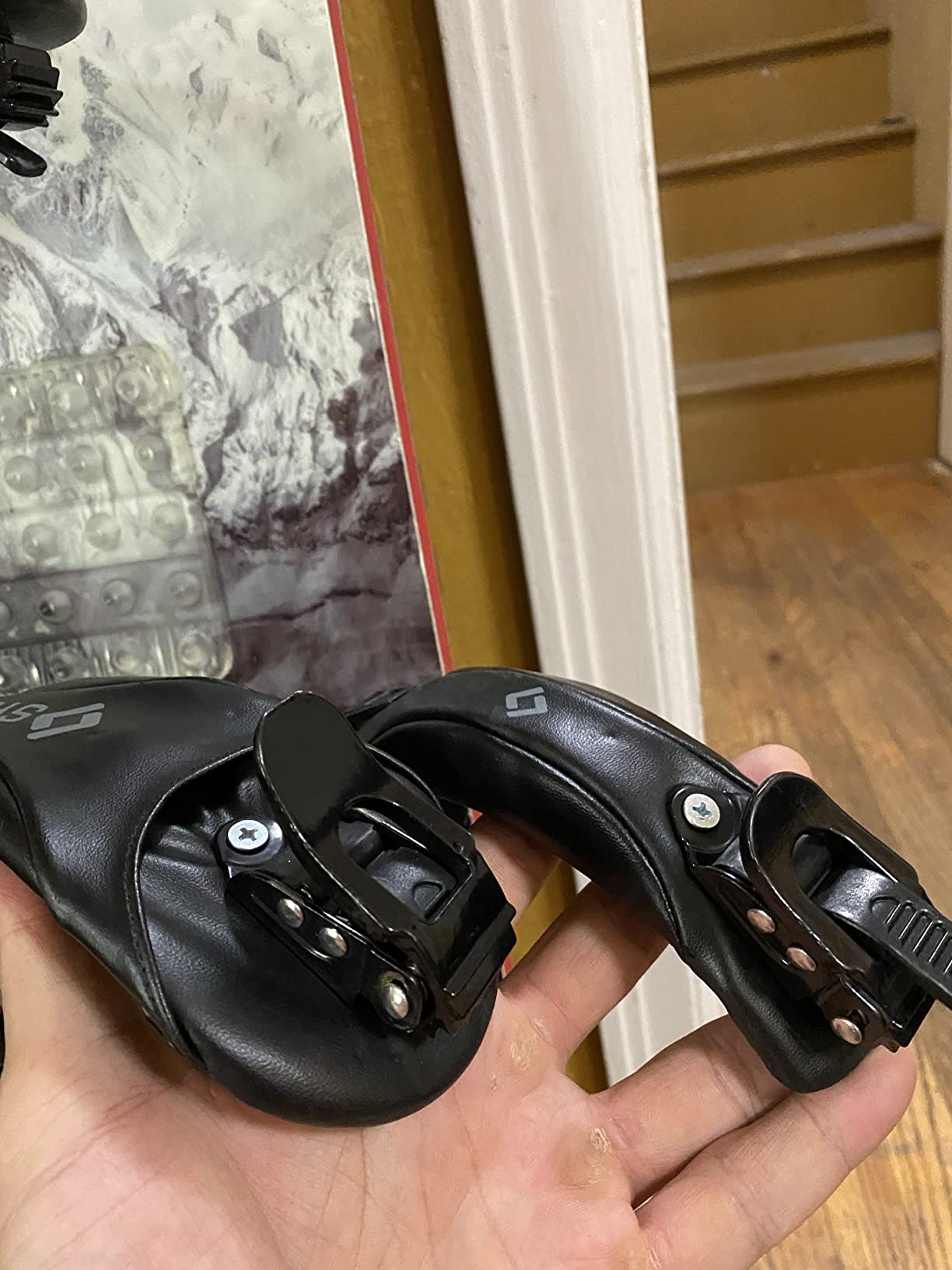
Two details deserve attention before you commit. The listing states a skill level of intermediate and advanced, which tells you honestly that this is not a dedicated learner deck in the way a kid board or a true flat-top beginner board is. In practice that means the flex is supportive but firmer than the very soft boards further down this list.
The other is fit. Boot sizes run 8 through 13, which is a generous span, but only in whole sizes. If your feet are a half size, or you wear a wider boot than most, expect to be between sizes and possibly replacing the included boots. Several owners on this platform do exactly that, buying the board for the package convenience and upgrading the boots separately.
Who this package suits
It suits an adult beginner who wants one purchase and does not want to research three components. It also suits a rider who already spends or rents every season and wants gear that is ready to go the morning the box arrives.
Riders who want a board specifically engineered as a learner platform should look further down this list at the flat-top Burton options or the rocker-dominant women’s packages, where the spec sheet says beginner in plain language.
Who should skip it
Skip it if you wear half-size boots, or if you are buying for a child, since this is an adult package sized from boot size 8 upward. Riders who already link turns consistently and want to push pace will find the firmer construction more interesting than a soft learner deck.
It is also the wrong pick if you want to replace just one piece later. Keeping the included bindings and boots is usually cheaper than mixing components, so treat the package as a single unit when you plan your upgrade path.
2. Kids’ Burton Riglet Snowboard, 90cm
Kids’ Burton Riglet Snowboard, 90cm
Flat Top Bend with Easy Bevel
Retractable tether included
50 lb weight capacity
Pros
- Tether makes teaching a first child on a slope realistic
- Easy Bevel lifts the edges to stop hard catches
- Works indoors on carpet or in grass
- 4.8-star average with 88 percent five-star ratings
Cons
- Bindings and boots are sold separately
- Tether runs long for adult use
The Riglet is not really a first-season snowboard in the way the other boards on this list are. It is a teaching board, and that is exactly why it works. The twin shape and twin flex make it symmetrical, so a child who falls forward or backward lands in exactly the same place every time.
The flat top bend gives the board a stable, level platform, and Easy Bevel lifts the contact points off the snow so the edges slide across the surface instead of gripping it. For a small child learning to stand on a board, that difference is the difference between falling over and stopping.
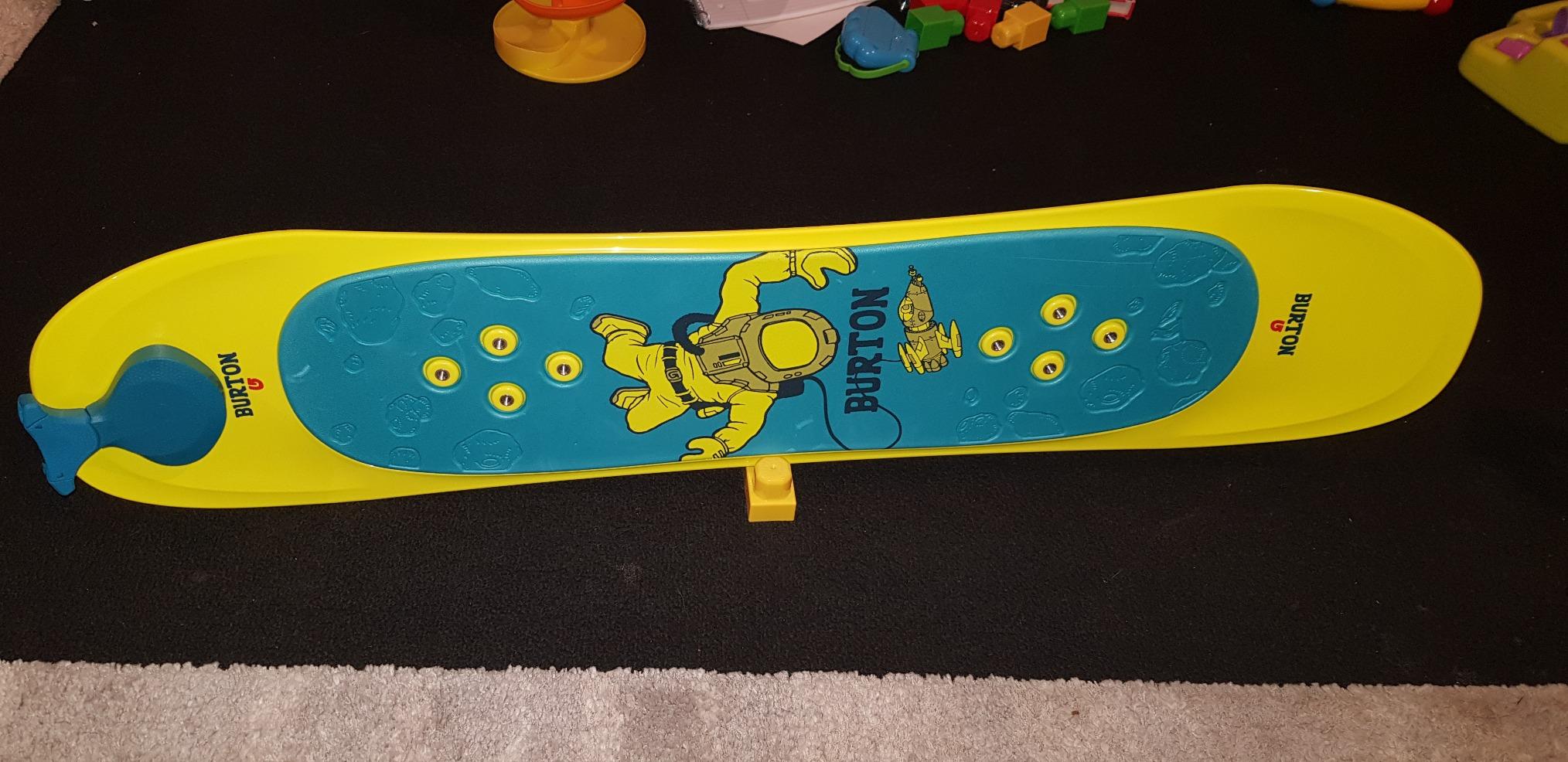
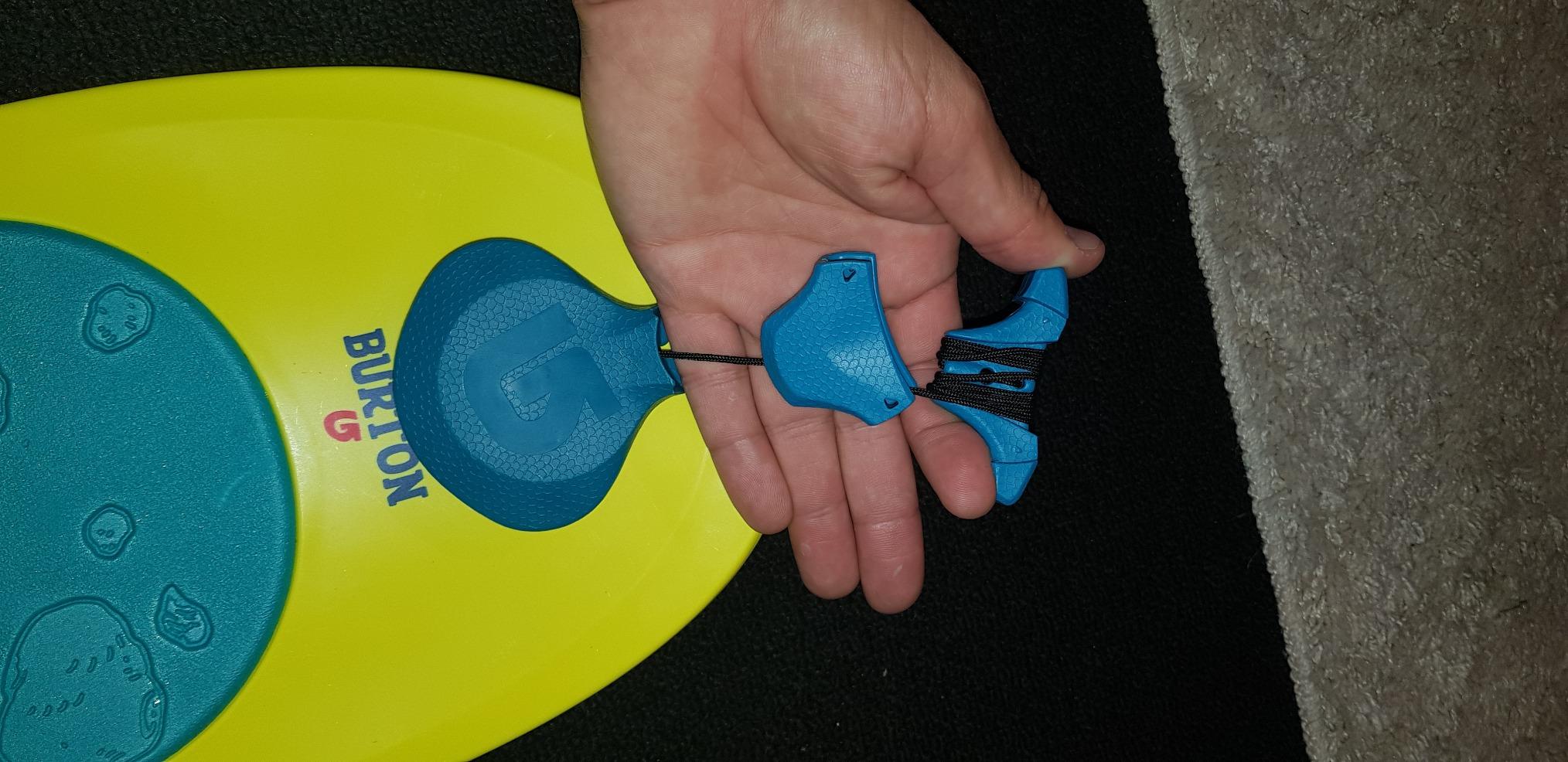
The retractable tether is the feature parents write about most. It gives an adult standing downhill something to hold so a beginner can be guided onto the hill at walking pace rather than being pushed or towed from behind. It also retracts, so it does not drag once the rider is gliding on their own.
Owners also use the Riglet off snow, on carpet or in a garden, which is genuinely useful because it means a child can practise stance and balance before the first trip to the mountain. Weight capacity is listed at 50 pounds, which covers the toddler and early primary ages this board is aimed at.
What parents should check first
Check the binding situation, because boots and bindings are not included and need to be bought to match. The board arrives as a bare deck with non-slip foot pads, so budget for a complete small-rider setup rather than assuming it is ready to ride.
Then measure the child. This is the 90cm version and it is a big-kid sized board with a 50-pound limit. Riders over that weight should step up rather than pushing a board past its stated capacity.
Where it falls short
It is not a progression board. Once a child can link turns and wants to steer at speed, a true twin snowboard with real bindings takes over, which is why the Burton After School Special appears later in this list as the step-up option.
The tether also runs long for adult use. Several parents mention that holding it at full extension puts strain on the back during a long lesson, so keep the line slightly slack and let the board do the slowing.
3. Drifter and APX Men’s Complete Snowboard Package
Camp Seven Drifter and APX Men’s Complete Snowboard Package New (153 cm, Boot Size 11)
Board, bindings and boots
Boot sizes 8-13
Poplar core with EVA build
Pros
- Soft catch-free flex over a poplar core
- 4.6-star average with 76 percent five-star ratings
- One purchase instead of three
Cons
- Listing brand naming is inconsistent between packages
- Included boots are a common upgrade point
The Drifter package sits close to our top pick on feel and lower on volume, which makes it a solid second read. Owners describe the EVA construction over the poplar core as soft and catch-free, and 76 percent of the 148 ratings are five-star with almost no three-star responses at all.
For a beginner, catch-free is the single most valuable property on this list. A board that will not catch an edge lets a new rider keep momentum through a mistake instead of stopping dead every time weight goes slightly off centre.
The real advantage here is that everything is already matched. Board, bindings and boots arrive sized to each other in boot sizes 8 through 13, so there is no guessing at compatibility. For someone who has never bought snowboarding gear before, removing that decision is worth a lot.
The single drawback that shows up in the owner record is cosmetic but confusing: the brand in the listing title does not always match the brand on the packaging. If you are comparing this against other packages from the same maker, check the manufacturer line carefully so you are comparing the right board.
Why this works for a first season
It covers the three things a first-season rider needs and nothing more. Board flex is soft enough to be forgiving, the included components remove setup guesswork, and there is no premium construction to pay for that a beginner will not feel this year.
Riders who plan to keep snowboarding past year one often keep the board and replace the boots. That is a normal upgrade path and it does not mean the package was a mistake.
Where the trade-off sits
The whole-size boot run is the practical limit. Half-size feet are the most common reason owners swap boots out of first-season packages, and this one has no exceptions to that rule.
It is also an adult package with no weight or age tuning. Very light beginners and heavier adults should check the sizing note in the buying guide before settling on a length.
4. System Timeless and Summit Complete Men’s Snowboard Package
Package-System Timeless Snowboard 156 cm-Summit Binding-System 2019 APX Snowboard Boots 11
3D Core with Edgelock
Thermofit heat-moldable boots
Three-year warranty
Pros
- Full-length poplar core with high-density stringers for edge hold
- Heat-mouldable liners give a secure adjustable fit
- Three-year manufacturer warranty
Cons
- Demanding construction for an absolute first-timer
- Whole-size boot fit only
The Timeless package is the most capable board in the System range on this list and the least forgiving. Owners like the durability, the edge response and the comfort of the heat-mouldable boots, and a portion of them specifically mention that the learning curve was steep at the start.
The technical story is the 3D core with Edgelock construction, a full tip-to-tail poplar core reinforced with high-density stringers, plus an artisan-grade heartwood stringer for power and response. That is a stiffer, more responsive platform than the EVA packages above it.
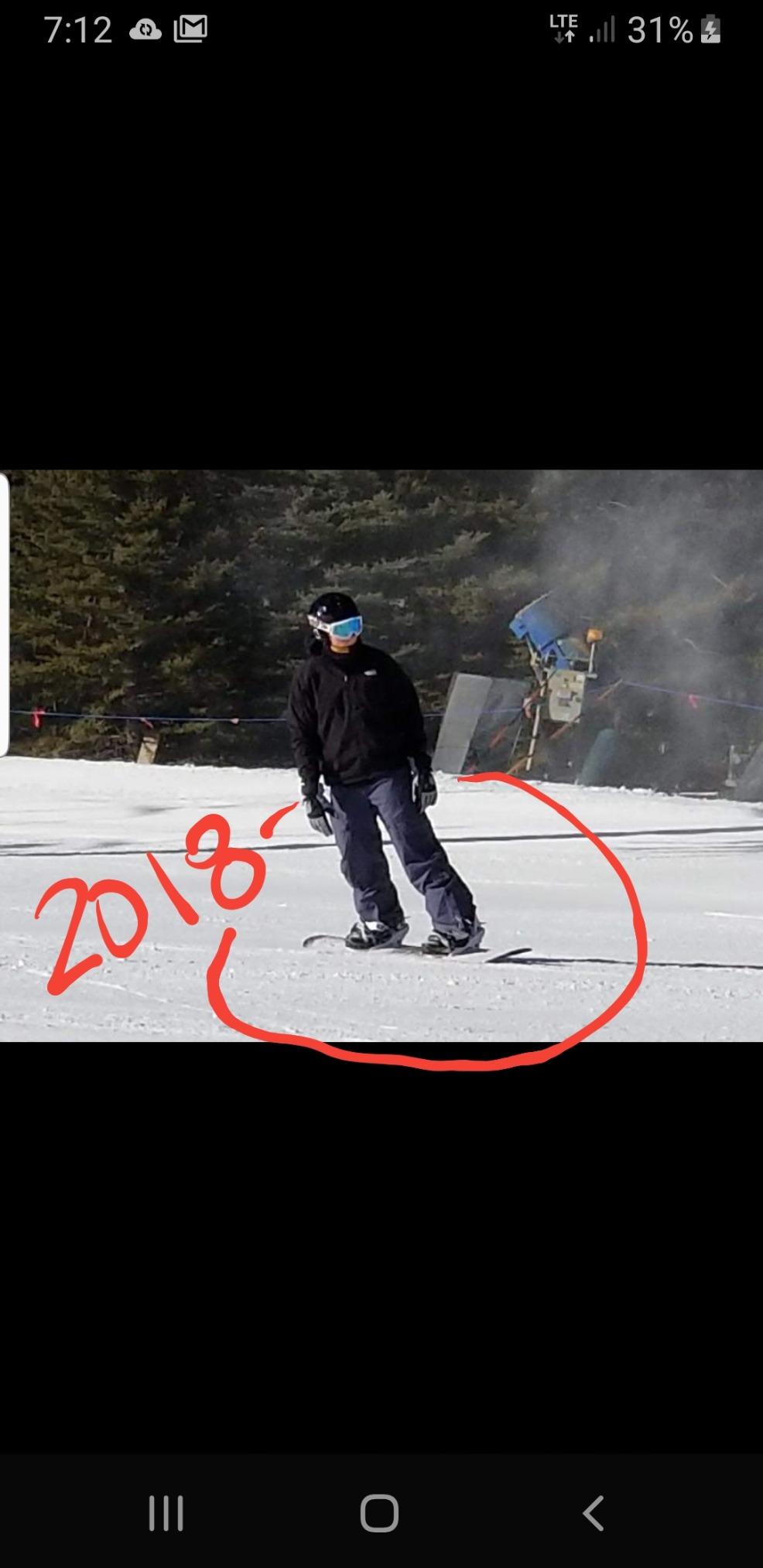
The boots are the sleeper feature. The APX boots use Thermofit heat-mouldable liners with metal boot hooks, and a moulded liner is the difference between a boot that keeps your foot planted and one that lets your heel lift mid-turn. For a beginner learning to rotate their whole body, that matters.
The included Camp Seven Summit bindings use an EVA base pad and aluminium four-tooth ratchets, and it carries a three-year manufacturer warranty, matching the longest stated coverage among the adult packages here.
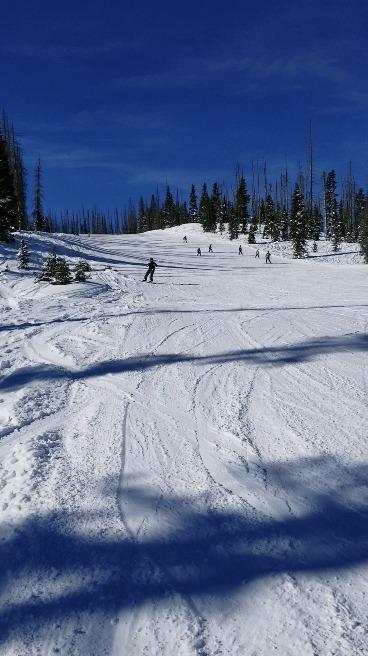
Who this is right for
It fits a beginner who already has some board time, from previous rentals or lessons, and knows they will keep riding. The edge hold and core construction pay off once speed builds, which a soft learner deck never quite delivers.
It also suits anyone who wants boots they can heat mould properly. If you are buying a setup once and expect to keep it for seasons rather than a single winter, this package has the most durable parts.
Who should pass on it
If your only experience is a single day on a magic carpet, a firmer core means every wobble gets punished more sharply than it would on a softer board. Several owners who bought it as an absolute first board mentioned struggling before the flex broke in.
Whole-size boot fit applies here too. And the demanding construction is not worth paying for if the plan is one season of rental-level riding before moving on.
5. System Juno and Mystic Complete Women’s Snowboard Package
2020 System Juno and Mystic Complete Women’s Snowboard Package (151 cm, Boot Size 9)
CRCX full rocker with mild camber
Labelled beginner skill level
Siren Lux boots with gel heel patch
Pros
- Explicitly labelled beginner skill level
- Rocker-dominant profile is easy to progress on
- 81 percent of ratings are five-star
- Three-year warranty
Cons
- Women-specific bindings and boots limit sharing
- Boot sizing is offered as fixed sizes rather than a range
The Juno package is one of only a few here that state beginner as the skill level outright, and that is worth more than it sounds. When a manufacturer names a skill level, you know where the board was tuned to sit in the range instead of guessing from marketing language.
The CRCX profile is a full rocker centre with mild camber in the tip and tail. That combination keeps the middle of the board floaty and forgiving for linking turns, then gives the nose and tail just enough camber to hold an edge when a rider starts leaning into a turn.
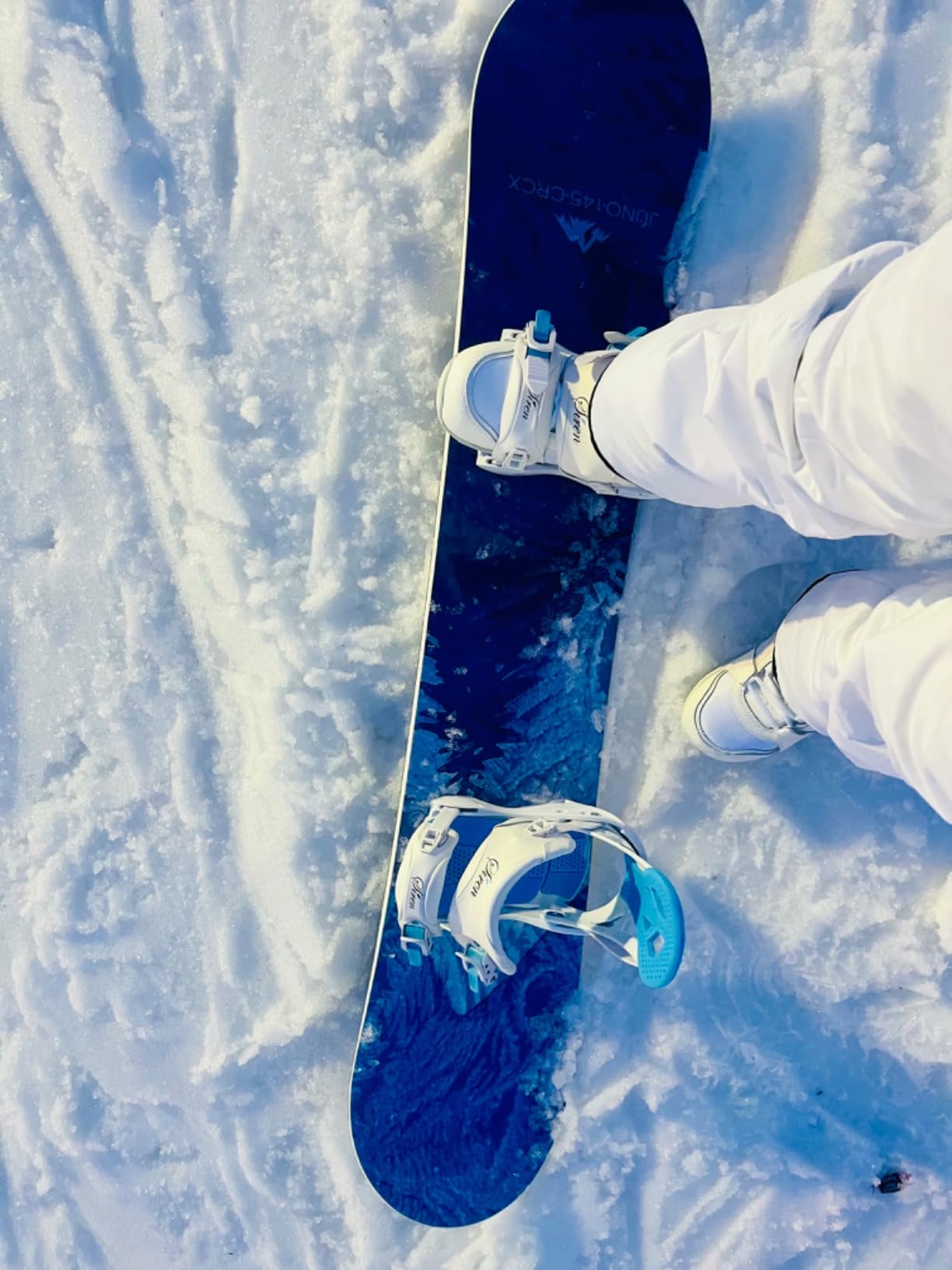
The included hardware is women-specific throughout. The Siren Mystic bindings are built for a lower boot volume and narrower stance, and the Siren Lux boots add a gel patch at the highback area, which is exactly where hard highbacks cause pressure points on a beginner who rides with their heels engaged.
That fit logic runs deeper than colour. Boards designed for women typically use a narrower waist and a lower sidecut, which matches a narrower stance and reduces the constant edge engagement that makes a beginner’s legs tire.
What to verify before buying
Check that the included boot size matches the boot size you actually wear, since the package ships in a specific size rather than a range. This listing shows a boot size 9 variant, so other sizes appear as separate options.
Also think about whether anyone else will ride it. The women-specific bindings are built for a narrower boot shape and do not adjust well to a wider male foot, which matters for couples sharing one package.
Where it stops being the right call
If you already have good snowboarding boots in your size and a clear preference for a specific binding flex, the package format becomes a liability because you will want to swap both anyway. In that case, the board-and-bindings options further down this list cost less and let you keep your boots.
Heavier riders should also check that the length offered suits their weight, since a rocker-dominant profile can feel vague under a larger frame on a firm piste.
6. Symbolic Arctic Complete Snowboard Package
Symbolic Arctic 2025 Snowboard & Bindings & Boots & Leash & Stomp Pad Complete Package (13 Mens Black Boots & Black Bindings, 170cm Wide Hybrid Rocker)
Board, bindings, boots and leash
Regular and wide sizes
Soft polyurethane deck
Pros
- Widest package contents with leash
- stomp pad and gaiter
- Regular and wide board sizes available
- Five boot and binding options to pick from
- 67 percent of ratings at five stars
Cons
- Bindings reported to wear out quickly
- Boots draw heavy build-quality criticism
- Deck dents and scratches easily in beginner falls
The Arctic package is the one to look at if you want everything in a single box and do not want to shop again for small items. Alongside the board, bindings and boots it includes a leash, a stomp pad and a gaiter, which covers the accessories most first-season riders discover they need mid-season.
It is also one of only two packages here that offer regular and wide board sizes with several boot and binding combinations. If you have big feet and toe drag, that matters more than any other spec on the page.
What it does not have is durability in the parts that matter most. Owners treat it as an inexpensive first setup, but a recurring theme in the reviews is that the bindings wear out quickly and the boots attract the heaviest build-quality criticism of any package here. The soft polyurethane deck also picks up dents and scratches in early falls.
When the extras justify it
It makes sense if you are starting from absolute zero and want a complete setup without a second delivery wait. Riders who already have a leash, stomp pad and gaiter are paying for accessories they will never use.
The size choice is the genuine strength here. A rider with wide feet who would normally need a separate wide board purchase can get one within this package.
When to spend the extra elsewhere
Buy your own boots. Boots are the component you touch on every single lift ride, and the reviews on this package single them out as the weak link, so a package deal that saves money on the boots often costs money later.
Expect to replace the bindings within a first season of hard falls. If you are hard on gear or learning in a car park rather than a supervised lesson, that is a real cost rather than a footnote.
7. Valdez Snowboard, Summit Bindings and APX Boots Package
Package-Camp Seven Valdez CRC Snowboard-153 cm-Camp Seven Summit Bindings-System APX Snowboard Boots 9
DD2 core with Edgelock stringers
CRCX rocker with mild camber
Wide sizes available
Pros
- 4.7-star average with 88 percent of ratings at five stars
- DD2 core with edge stringers holds an edge on ice
- Bindings stay tight over repeated use
- Wide board sizes available
- Three-year warranty
Cons
- Included boots are widely upgraded
- Whole-size boot fit only
- Occasional missing mounting hardware
The Valdez package has the strongest owner rating among the adult complete packages on this list at 4.7 stars, with 88 percent of ratings at five stars. The pattern in the reviews is telling: riders who already have the basics down rate it very highly for edge hold, while first-timers often describe a rougher first few days.
The technical answer is the DD2 dual-density core with Edgelock high-density edge stringers. The CRCX profile is a full rocker centre with mild camber in the tip and tail, so you get catch-free behaviour under your feet and enough camber at the ends to hold a line on an icy morning.
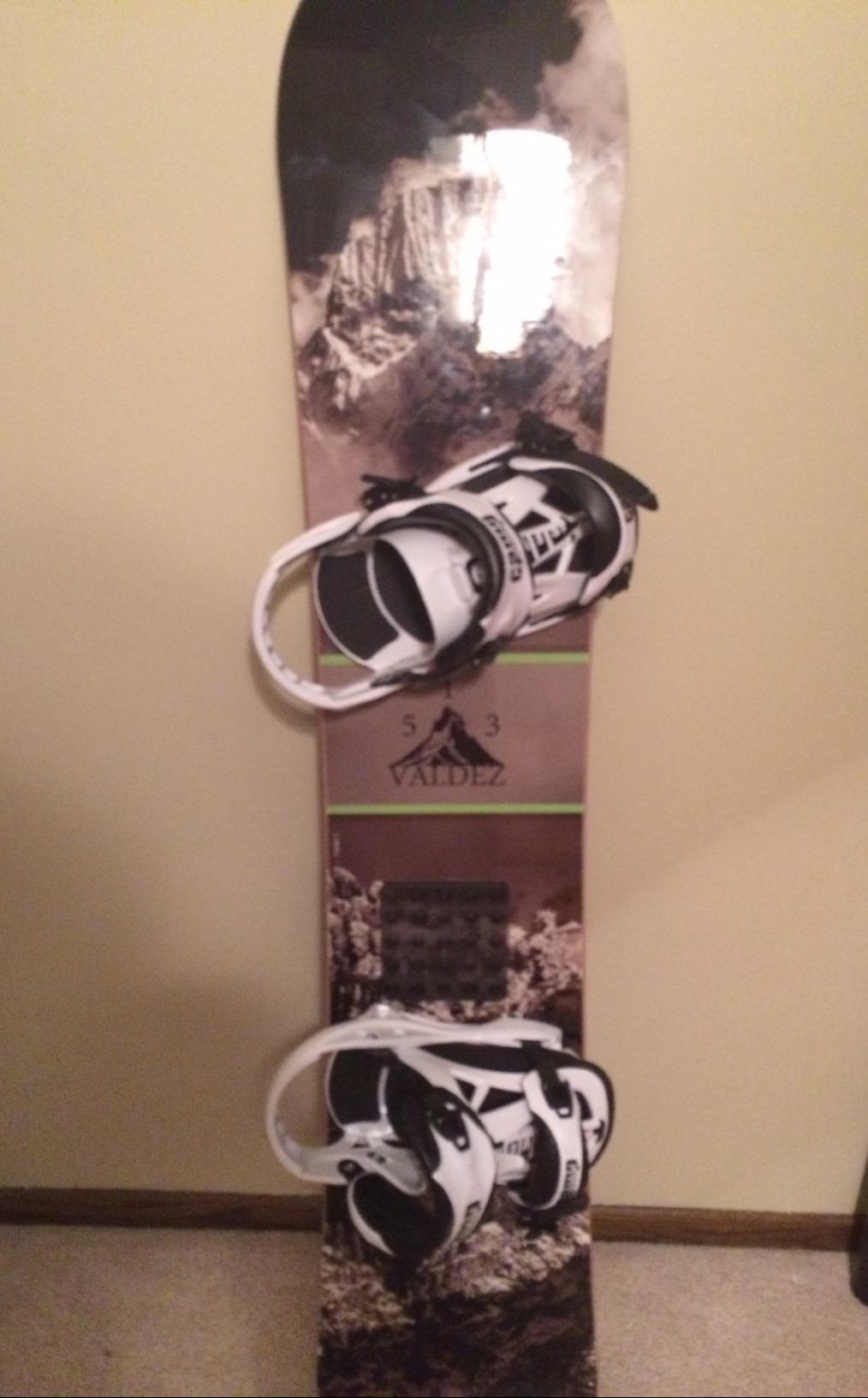
The bindings are the standout component. Owners specifically call out that they hold their screws and stay tight over repeated use, and the full-length EVA base pad with gel inserts keeps the ride damped. That single detail matters because loose base plates are the first thing that ruins a board.
Wide board sizes are available in this package, which puts it alongside the Symbolic Arctic as one of only two options here that solve toe drag for a beginner with big feet.
How to tell if it suits you
It suits a beginner who is already comfortable on a beginner rental board and wants something that will still hold an edge in season two. That is the fast-learner profile, and the rating gap between this package and the softer ones above it comes from that segment.
Check your boot size early. The included APX boots have heat-mouldable liners and metal hooks, which are good, but they run in whole sizes only, leaving extra toe room for half-size feet.
What to plan around
Plan on replacing the boots. They are described as the weakest part of the package, and most owners who rate the board highly end up buying better boots for it, so treat them as a temporary measure rather than part of the value.
Also check the box on arrival. Some owners have reported packages arriving without mounting hardware, so have your own insert kit or be prepared to contact the seller before mounting.
8. Burton Kids After School Special Snowboard and Binding Package
Kids’ Burton After School Special Snowboard and Binding Package, 80cm
80cm board with pre-mounted bindings
Flat Top Bend with Easy Bevel
Three sizes from 80cm to 100cm
Pros
- A real full-size snowboard rather than a toy
- Pre-mounted bindings included
- Biax fiberglass gives a soft forgiving flex
- Three sizes from 80cm to 100cm let parents size up
Cons
- No tow rope included for beginner pulling
- Binding ratchets can catch while strapping in
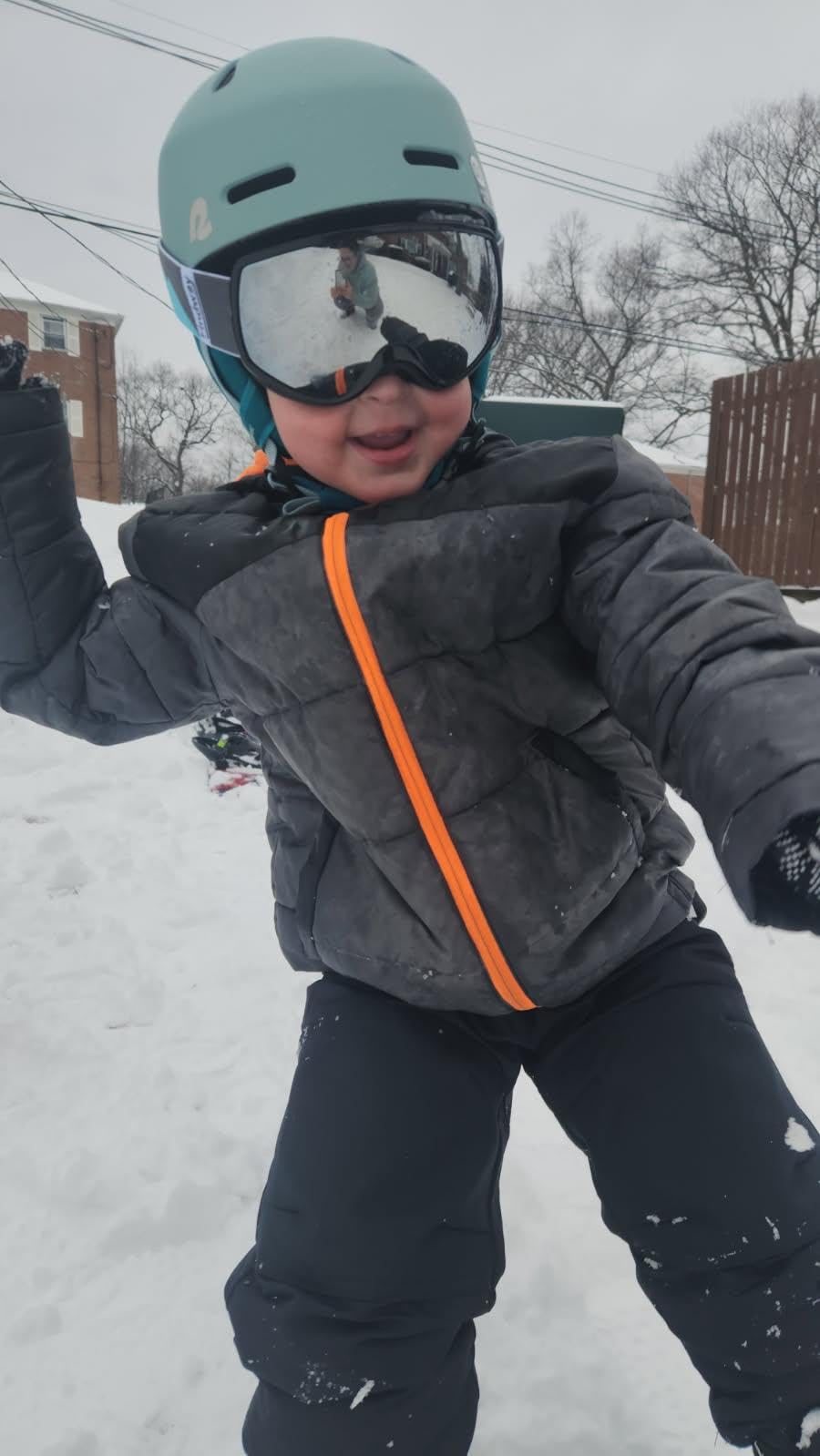
The After School Special is the step-up from a teaching board: a genuine snowboard with real bindings, sized for a child who is ready to be picked up off the ground by the hill rather than towed on a tether. Parents use it from toddler age through the first few seasons of lessons.
The twin shape and twin flex keep it balanced in both directions, and the flat top bend gives a stable platform with continuous edge control. Easy Bevel then softens the edges so the board slides across the snow instead of catching it.
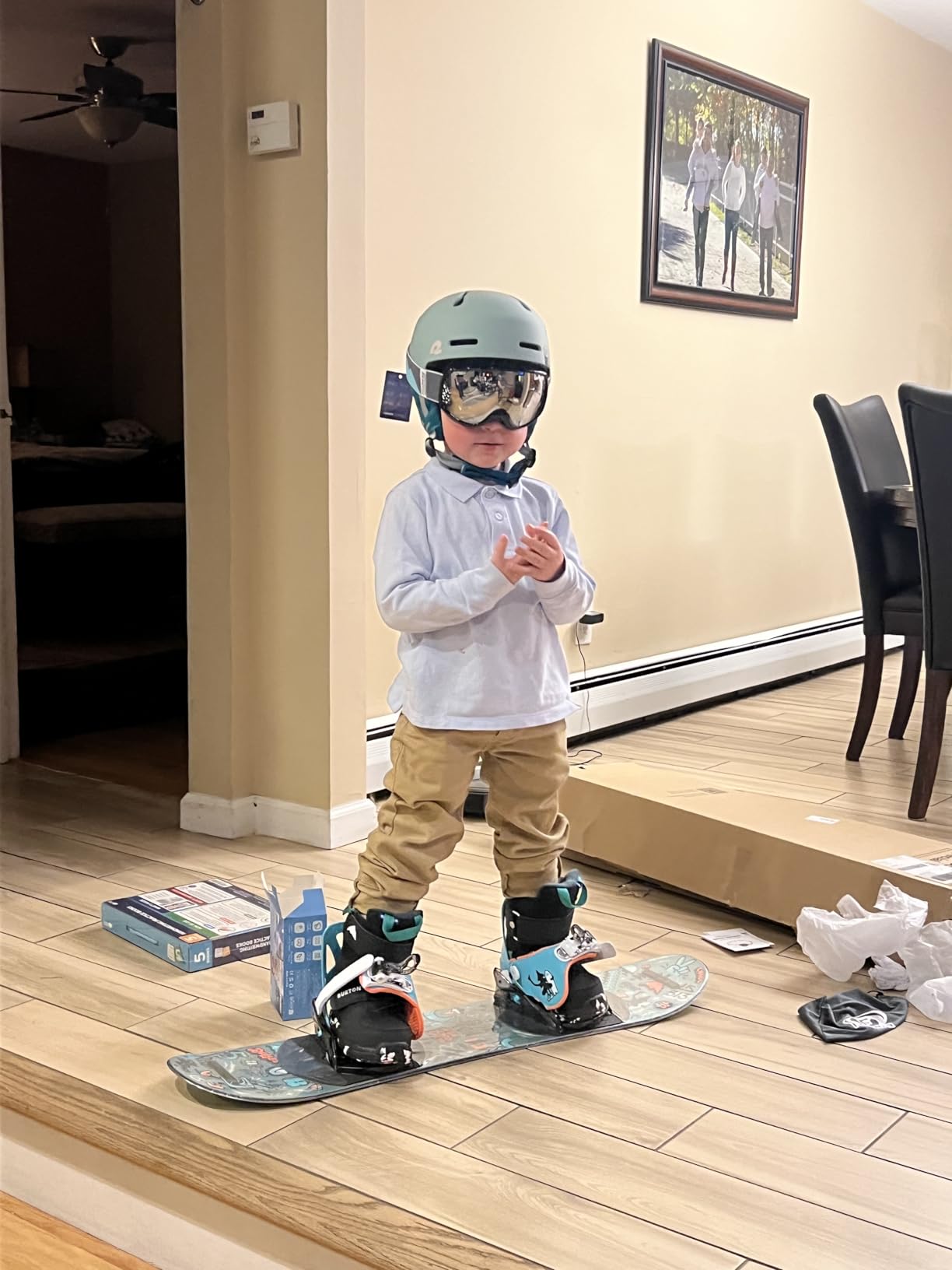
What separates this from the Riglet is the construction. The Fly 900G wood core with biax fiberglass gives a lightweight, torsionally forgiving flex, which is what you want in a board that has to survive being thrown down a slope by an enthusiastic seven-year-old. Torsional forgiveness in particular stops the board from twisting under a child who is uneven on their feet.
The stated weight capacity is 50 pounds and the board weighs 5.6 pounds, so it is light enough for a smaller child to manage on a green run without help carrying it.
Bindings arrive pre-mounted, so there is nothing to set up before the first day. That convenience matters for parents who are already managing boots, lessons and transport, and it removes the risk of mounting a child’s board incorrectly.
Which size should you get?
Three sizes are offered, 80cm, 90cm and 100cm, so most parents should size for growth rather than buying the smallest that technically fits. This listing is the 80cm version with a stated weight capacity of 50 pounds.
Measure the child in boots, not in shoes. Boot fit adds length, and a child who fits 80cm in shoes will likely need the 90cm once properly booted.
What to have ready anyway
A tow rope is not included, and parents consistently say they want one. It is a small purchase and it turns a first lesson from a struggle into something a child can enjoy.
The binding ratchets can catch on the deck while a child is still learning to strap in unaided. Budget a few minutes of patience at the start of each session rather than assuming something is wrong.
9. Camp Seven Dreamcatcher Snowboard and Mystic Bindings, 144cm
New Camp Seven Dreamcatcher Snowboard +Mystic Bindings Women’s Snowboard Package (144 cm)
CRCX rocker-dominant profile
144cm length
Biax over-biax fiberglass
Pros
- Rocker-dominant CRCX profile is very catch-free
- Lightweight and versatile from groomers to powder to park
- Easy to assemble bindings
Cons
- Some boards have arrived with a bowed deck
- Mounting hardware is not always included
- Women's bindings limit cross-gender sharing
The Dreamcatcher is a board rather than a package, and that is its main argument. Owners can keep the boots they already own and spend the difference on a better fit, which is the single most common upgrade advice that comes out of the rider forums.
The CRCX profile is rocker-dominant with mild camber in the tip and tail, one of the most forgiving combinations in this roundup. Owners consistently describe it as catch-free, and the dual-density poplar core wrapped in rubber dampening takes the edge off chatter on a firm piste.
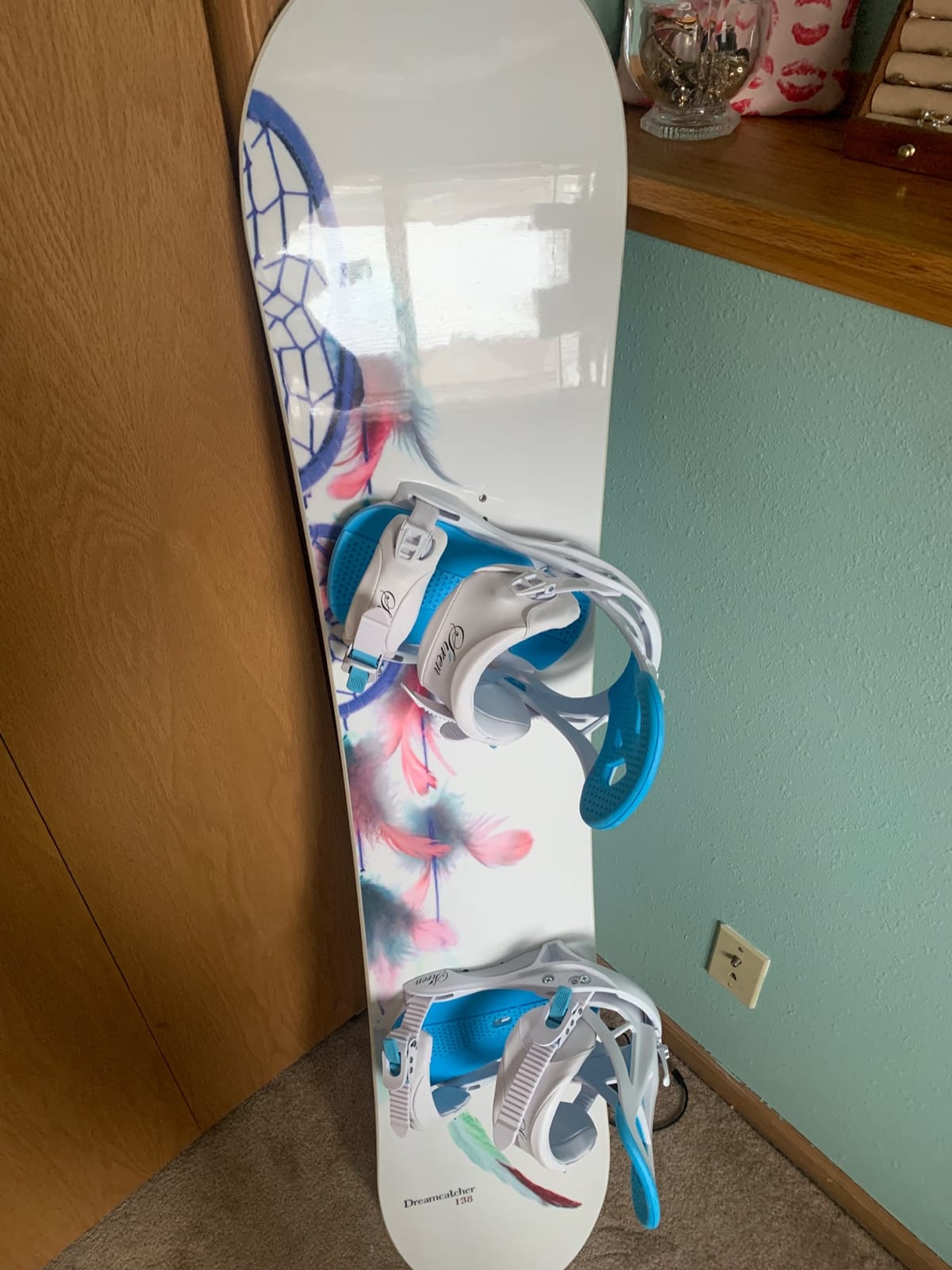
Biax over-biax fiberglass is the layup, and it produces an easy flex with enough pop to ride the park once the basics are there. Gifting buyers describe it as a versatile board that their daughters enjoy from groomers through powder to the park.
Three lengths are available, 144cm, 147cm and 150cm, so it covers a good span of adult sizes. This listing is the 144cm version with Siren Mystic women-specific bindings included.
Why buying the board only often works better
Boots and bindings are where fit problems live. Boot fit is specific to your own feet, and a mismatched binding is the component most likely to need swapping in the first year. Keeping your own boots removes one variable entirely.
The rocker-dominant shape also makes this an easy progression board. It stays predictable as speed builds, which is the stage where many first-season boards start to feel twitchy.
What to inspect on arrival
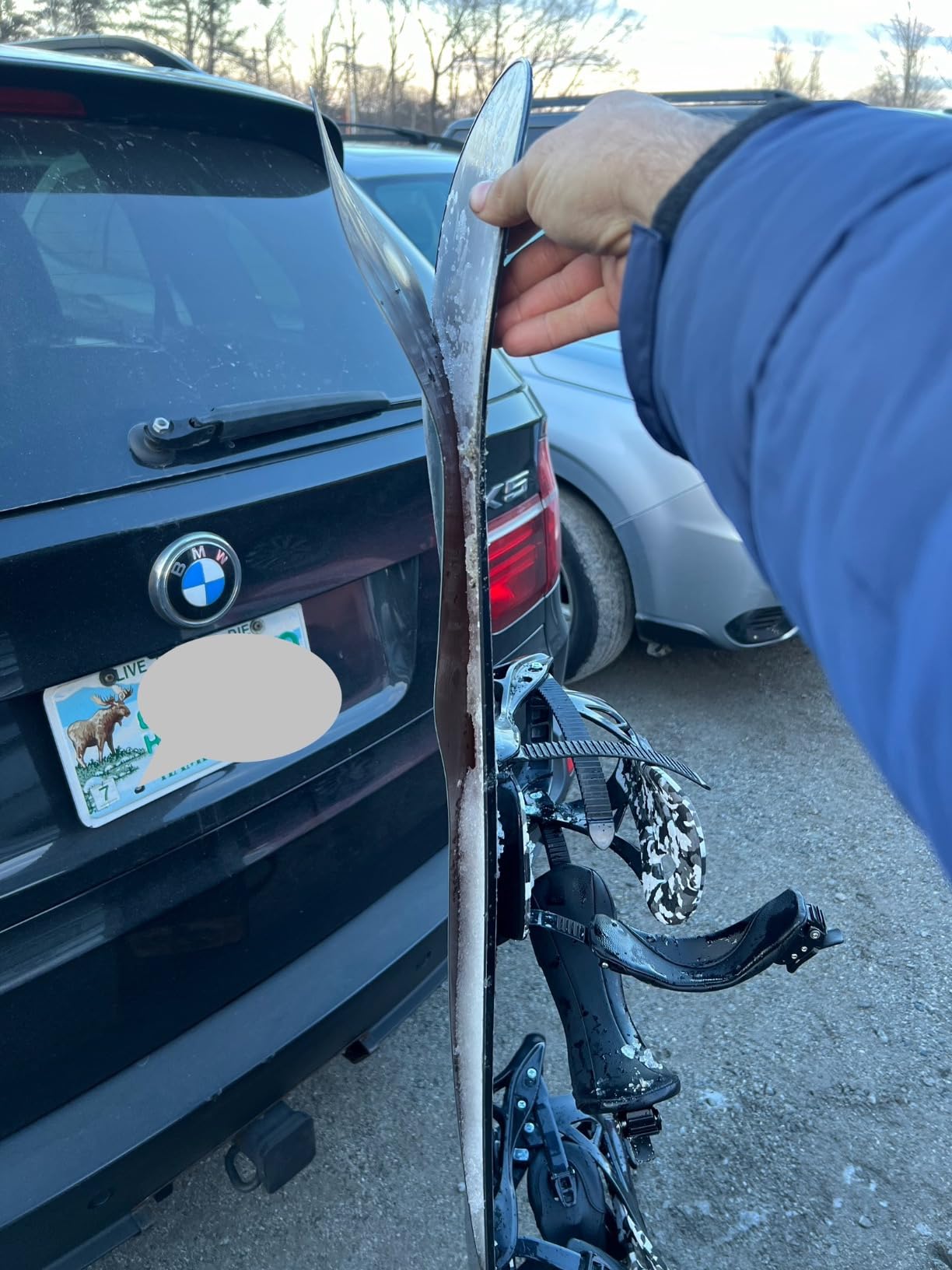
Check the deck flatness before mounting. A portion of owners reported boards arriving with a bowed, uneven deck, and a bowed base changes how the board rides far more than any spec on the page.
Confirm the mounting hardware is in the box before you start, since that has also been reported as missing. It takes two minutes to check and saves a trip to a shop mid-season.
10. 5th Element Men’s Freestyle All-Mountain Twin Snowboard
5th Element Men’s Freestyle All-Mountain Twin Snowboard, Range, 140cm
Soft 2/10 flex
Twin shape
140cm length, wide options
Pros
- Explicit 2/10 flex aimed at beginner and intermediate riders
- Well-placed pre-drilled insert holes
- Twin shape supports switch riding for park progression
- Multiple lengths and wide options in the range
Cons
- Board only
- so bindings must be added
- Retail packaging has led to scuffed arrivals
The 5th Element is a direct route onto a properly soft board without a package, and its headline spec is the most explicit one in the roundup. A stated flex of 2 out of 10, designed for beginner and intermediate riders, is exactly the number a first-timer should be shopping for.
The twin shape works in regular stance and switch, which means a rider who takes to the sport can progress straight into park features without relearning a directional board later. That flexibility is unusual in a soft learner deck.
The profile is camber-dominant rather than flat or rocker, which is a deliberate trade. Camber gives more pop off small jumps and a livelier feel through turns, at the cost of being slightly more demanding than the flat-top Burton options on this list.
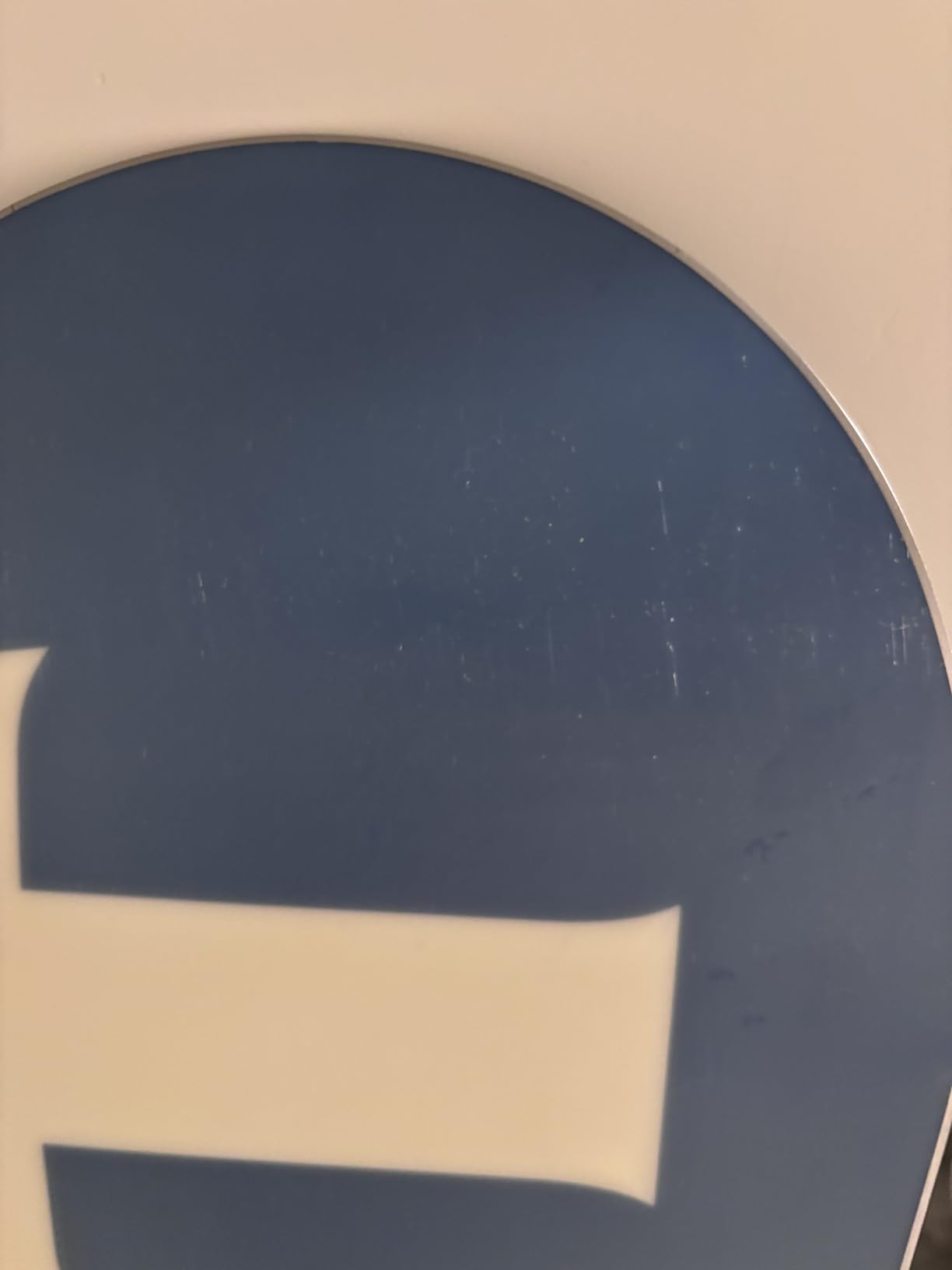
Owners single out the pre-drilled insert holes as well placed, which makes binding setup straightforward for a first timer. The board is compatible with most bindings, and multiple lengths and wide options are available across the range.
The base is extruded and described as easy to maintain, which for a beginner means it holds ordinary wax without demanding a proper waxing routine.
How to budget for this board
Add bindings before you can ride it. Because you are supplying your own, you can choose a soft-flex binding that matches a very light rider, which package deals often cannot do.
Wide options exist in this range, so toe drag does not automatically rule it out. Check the specific length you are choosing for the wide variant rather than assuming it carries over.
What to watch out for
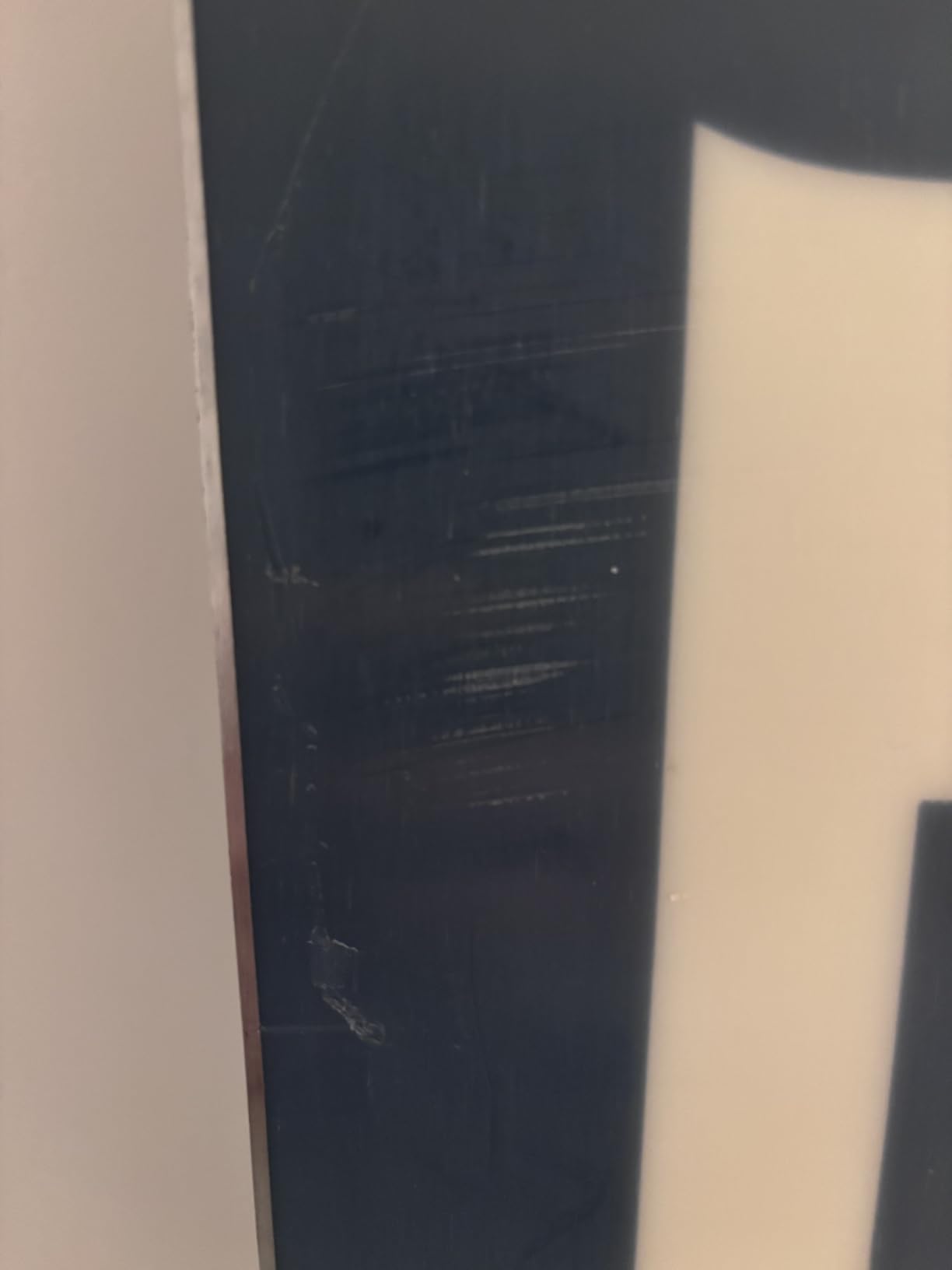
Inspect the board on arrival. Weak retail packaging has led to boards arriving scuffed, and a small number of buyers received the wrong size, so check the length label against your order before mounting.
With 33 ratings this is one of the thinner owner records on the list, so treat the reviews as encouraging rather than conclusive. The two-year warranty against manufacturing defects is the main reassurance for a first purchase.
11. STAUBER Matte Summit Snowboard and Binding Package
STAUBER Matte Summit Snowboard & Binding Package Sizes 128, 133, 138, 143, 148,153,158, & 161- Best All Terrain, Twin Directional, Hybrid Profile – Adjustable Bindings – Designed for All Levels 143
Twin directional hybrid profile
Eight sizes, 128cm to 161cm
Adjustable bindings included
Pros
- Eight lengths covering children through adults
- Bindings included and easy to adjust and mount
- 4.4-star average with 71 percent five-star ratings
Cons
- Included bindings can be too large for smaller boot sizes
- Strap that lifts off for lift lines catches often
- Stomp pad not included
The Matte Summit is unusual in this roundup because it is a single board-and-binding package covering eight lengths from 128cm to 161cm. That is the broadest size run here by a wide margin, and it is the reason families keep coming back to it.
The profile is a twin directional hybrid, which is a middle-ground shape: symmetric enough to ride both ways without much adjustment, with slightly more effective edge toward the nose for stability in a forward stance.
Beginners and parents of teens consistently describe the board as easy to set up, easy to control and easy to ride. For a family buying for multiple riders on a single budget, that practicality outweighs the refinement a dedicated beginner model offers.
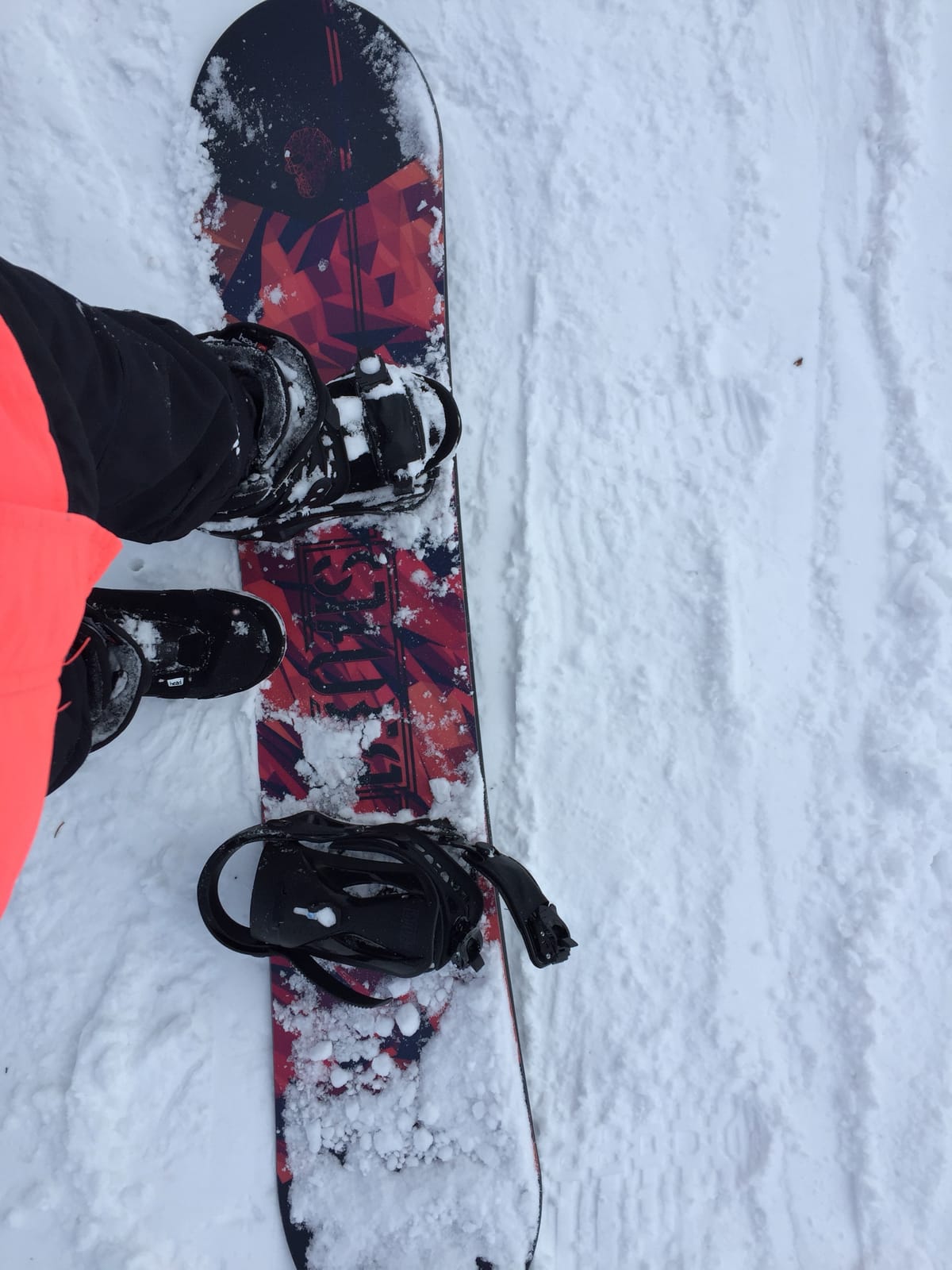
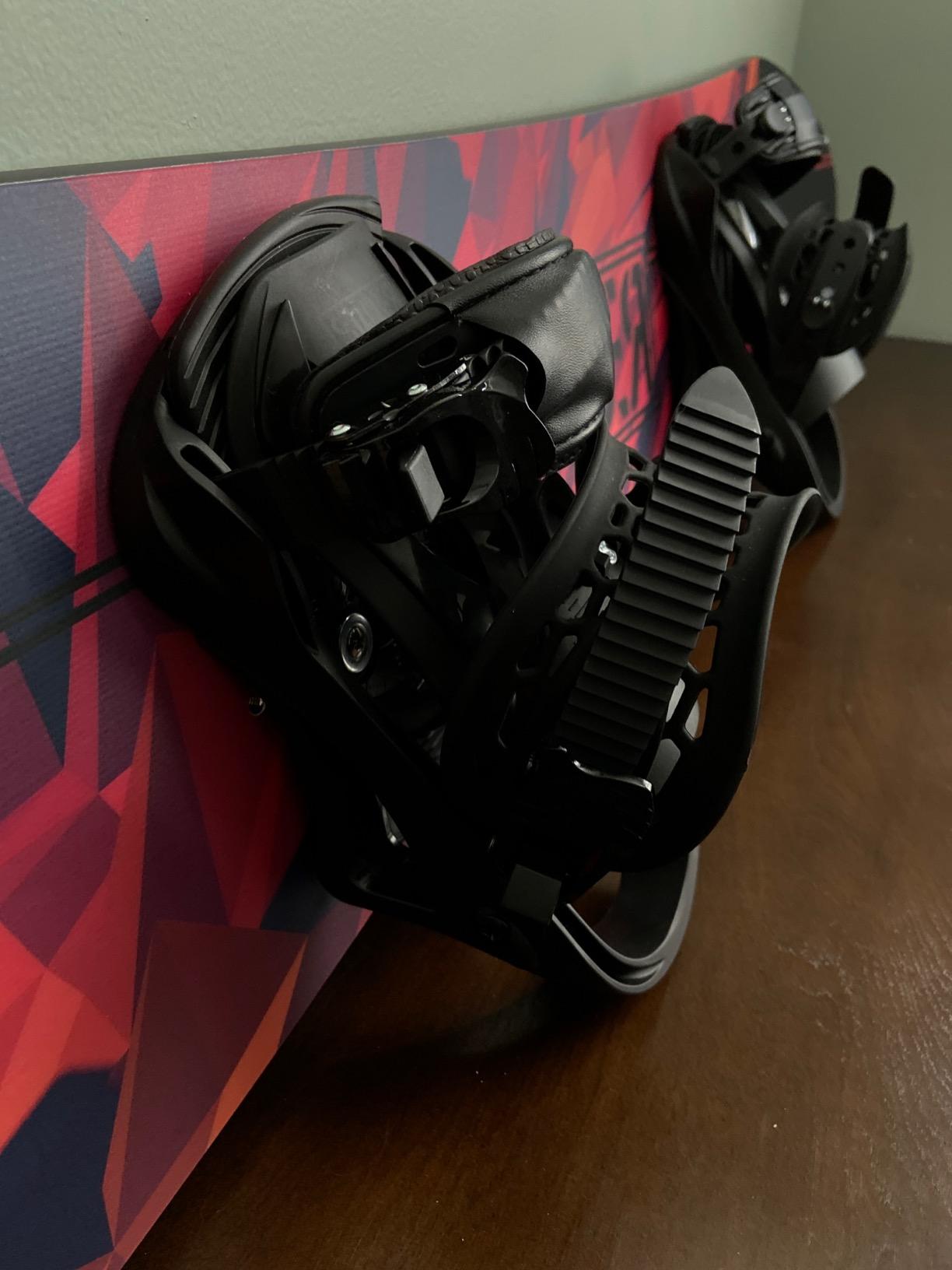
The adjustable bindings are the reason it can cover so many riders. They mount without specialist tools and adjust to a range of boot sizes, which means one package can serve a child and then an adult with a different size rather than a second purchase.
This listing is the 143cm version. The board itself weighs about 2.09 kg and the shipped package measures 15.8 by 14 by 6.1 inches, so it is light enough for a younger rider to carry unaided.
Who benefits from eight sizes
Households with riders of different ages benefit most, because the same model covers a child through to a large adult. That removes the need to research a new brand for each rider.
Riders who already know their boot size and have a preferred binding should still buy their own, but anyone who wants one decision that covers a whole family will find this useful.
What to watch out for
Check the binding size against your boots. Owners report that the included bindings can run large for smaller boot sizes, which is the most common sizing complaint on this board.
The strap that must be removed to clear lift lines catches on things, and several riders mention it as a recurring annoyance. A stomp pad is not included, so plan one extra small purchase before the first day.
12. Burton Kids Mini Grom Rocker Snowboard
Burton Kids’ Mini Grom Rocker Snowboard, 80cm
Flat Top Bend with Easy Bevel
80cm length
Step-in bindings
Pros
- Step-in bindings a very young child can click into unaided
- Flat Top Bend and Easy Bevel make edge catches almost impossible
- Three-pound board is easy for a small child to carry
- Insert holes accept a rope for speed control
- 4.8-star average with 90 percent five-star ratings
Cons
- Bindings and boots not included
- Smallest option is 80cm
- so growth means stepping up
The Mini Grom is the board on this list designed around step-in bindings, and the only one where that is the defining feature. Parents of very young children value that above all else, because a child who can click in and out without help can start riding a slope without an adult kneeling in the snow.
Underneath, it is the same beginner formula as the larger Burton boards: twin shape and twin flex for a balanced ride in either direction, flat top bend for stability and continuous edge control, and Easy Bevel for soft, forgiving edges.
The core is a Fly wood core with biax fiberglass and an extruded base, so the board is both lightweight and low maintenance. At three pounds, a small child can pick it up and carry it to the start of a run themselves.
The insert pattern is drilled to accept a rope, which several parents use to control a beginner’s speed on a gentle slope. It is a simple, low-cost safety measure that turns a flat run into something a toddler can manage.
When step-in bindings actually help
They help most when the rider is under about six and cannot reliably work a conventional ratchet strap. The trade is that step-in bindings are less adjustable across sizes and offer less support than a ratcheted strap.
For a rider who has already learned to strap in and fasten boots, the After School Special earlier in this list is the better fit because pre-mounted ratcheted bindings are included.
What to plan before the first day
Budget for step-in bindings and soft boots separately. This listing includes the board only, and step-in systems do not work with standard boot-to-binding setups.
Plan on sizing up. The smallest option is 80cm and this listing is that size, so a child who grows out of it moves to the 90cm or 100cm version rather than stretching this one.
How to Pick Your First Snowboard in 6 Steps
Work through these in order and the spec jargon stops mattering. The order matters because each step removes the options that were never going to fit your situation.
Measure your boot size, not your shoe size. Everything on this list is sized around a boot, and the difference between shoe and boot length changes which board lengths suit you. If you already own boots, this answer is already known.
Decide between a package and a board only. Packages such as the MTN and APX include boots and bindings and remove all guesswork. Boards only, like the Dreamcatcher or the 5th Element, let you keep your own boots and choose bindings that suit your weight.
Filter for a soft flex. Stay in the two to five range where a flex number is published, and where it is not, look for biax fiberglass over a wood core. This single filter eliminates most all-mountain boards aimed at advanced riders.
Prefer flat or rocker-dominant profiles. Both keep the edges off the snow when your weight is centred, which is where every beginner mistake begins. Full camber is the profile to avoid in year one unless you already ride.
Choose a twin shape if you will ride switch or want to spin. A true twin behaves identically in both directions, so nothing about your stance has to be unlearned later.
Check the weight range and width for your size before paying. Boards designed for a narrow stance will drag your heels or toes at a heavier weight, and that problem cannot be fixed with a stance adjustment.
If you want the wider category sorted first, our guide to the best snowboards overall breaks down how boards are built before any of these specifications appear.
How to size a board by weight
Start with the manufacturer’s published weight range for each length rather than a single conversion table, because ranges differ between brands and a generic chart will hand you a board that is technically the right length and practically wrong.
Pick the length whose range covers your weight, then take the next length up if your weight sits in the top fifth of that range. Do not size down for manoeuvrability in your first season. Shorter boards are easier to turn but they wobble once speed builds, and speed builds faster than most beginners expect.
Finally, cross-check with your stance. If you ride with a wide stance because you have broad hips or big feet, note that your effective platform width is larger than the published waist figure, which is exactly the calculation that produces toe drag on an otherwise correctly sized board.
Best Beginner Snowboard Brands and How They Approach Learning
Brand matters less than construction, but a manufacturer’s whole beginner range tells you how seriously they take new riders. Burton builds twin shapes around a flat top bend and Easy Bevel edges across both its youth and adult boards, which is why four of the twelve boards here come from one maker.
System and Camp Seven occupy the complete-package side of the market, pairing boards with matched bindings and boots so a beginner makes one decision instead of three. Several packages on this list use the same APX boots and Summit bindings, so the fit logic is shared even where the boards differ.
Riders who name K2 and GNU as trusted starting points in forum discussions tend to be looking for the same things the boards here deliver: a soft flex, an easy-to-ride profile and a size run that covers more than one rider. Where those brands differ is in how much of the range is aimed at true first-timers rather than progressing beginners, so check the flex number before choosing.
Best Beginner Snowboards for Men, Women and Kids
For an adult man learning, the MTN and APX package is the most proven route because it carries the largest volume of owner feedback and arrives complete. For an adult woman, the Juno package is the only one here labelled beginner outright, with rocker-dominant geometry and women-specific bindings and boots sized to a narrower boot volume.
For children, the deciding variable is age and ability rather than any specification. Under about five or 50 pounds, a teaching board such as the Riglet or the Mini Grom keeps learning indoors and on the flat. From toddler age through the first few seasons, the After School Special carries a real board with pre-mounted bindings.
Women-specific does not mean a different sport. The differences that matter are waist width, sidecut and the volume of the included boot and binding, all of which reduce the constant edge engagement that tires a beginner’s legs. A rider who fits a women’s shape comfortably should buy it, and a rider who does not should not.
Boots and bindings matter more than the board for most beginners, and that is the single most repeated piece of advice in the rider discussions we reviewed. Fit problems in either one show up as cold feet, an unresponsive board or a binding that will not release, and none of those improve with practice.
Boots. Fit is everything. A heat-mouldable liner, like the Thermofit liners on the System APX boots, is worth paying for because it shapes to your foot and holds your heel in place. Soft flex boots suit beginners better than stiff ones, since a soft boot lets you feel the board through your feet.
Bindings. A soft-flex binding is the beginner equivalent of a soft board. It responds to small pressure changes instead of demanding a committed input. Adjustable bindings, like the ones on the STAUBER package, cover the widest range of boot sizes.
Mounting. Pre-mounted bindings, as on the Burton After School Special, remove the risk of mounting a board incorrectly before your first day. If you are mounting yourself, have the inserts checked for a correct stance angle before you bolt anything down.
Order of purchase. Several riders in the forums advise buying boots first and choosing the board around them. Once your boots and binding are settled, the board choice narrows to shape, length and flex, which is a much easier decision.
Boot flex deserves its own note. Beginners generally want a soft boot, and this is the one place where buying soft is nearly always right even if you can afford stiffer. A stiff boot transmits every edge change straight to your shins, which is the opposite of what you want while your legs are still learning to steer.
Fit beats brand at every price level. A cheaper boot that fits your foot correctly will be more comfortable and more controllable than a premium boot in the wrong size, and discomfort is what ends a first season.
Best Snowboards for Beginners With Big Feet
Toe drag and heel drag are the most common avoidable reasons a beginner board gets returned, and they happen when the board is narrower than your stance. If you wear US 10 boots or larger, check for a wide or mid-wide option in the exact size you need rather than hoping a standard waist will cope.
Two packages here offer wide board sizes: the Symbolic Arctic, which also lets you pick boot and binding options, and the Valdez package, which also has the strongest edge hold on the list. If you are buying a board only, the 5th Element range includes wide variants across multiple lengths.
The remaining fix is on your side of the setup. Stance width, binding angle and boot size all affect drag, and a board that drags is often being ridden with too narrow a stance rather than too narrow a board. Test the drag question on a flat groomer before you blame the deck.
Weight matters more than shoe size here. A tall, light rider can drag on a standard waist, while a shorter rider with wide boots can drag even at a modest weight, which is why rider weight ranges matter as much as waist width.
What to Avoid as a Beginner
Avoid stiff boards marketed as beginner-to-advanced. This is the most common piece of advice in the rider forums and the most expensive mistake available: a stiff cambered all-mountain board punishes every wobble, and beginners who buy one tend to quit rather than push through.
Avoid buying on appearance or brand recognition. Board graphics say nothing about flex, and the same brand makes both dedicated learner decks and advanced freestyle boards. Check the flex number or the layup.
Avoid skipping the binding fit. A binding that is too large for your boot will not release properly in a fall, and a rider who cannot pop out of their bindings will eventually get hurt.
Buyers report being satisfied with soft-flex flat-top boards and disappointed by stiff cambered ones, which is the clearest pattern in the owner feedback behind this whole list.
And avoid buying too large out of excitement. A long board is stable but hard to turn, and for most beginners that trade is wrong until turns are automatic. Most riders benefit from sizing within the manufacturer weight range rather than to the top of it.
What to avoid when reading the spec sheet
Ignore every skill level label that spans a huge range. A board listed as beginner to advanced is telling you nothing, because the manufacturer builds the same construction and simply chooses where to market it. Look for a board where the stated level is beginner or beginner and intermediate, not one that claims to cover everyone.
Watch for construction language with no material behind it. Terms like precision, performance or response carry no weight on their own; a named core, a stated flex number or a named glass layup does. Where a listing gives you materials and dimensions, you can evaluate it. Where it gives you adjectives, you cannot.
Do not assume a longer board means a more advanced board. Length is a function of your weight and your terrain, not your experience. Two riders of identical ability can and should ride different lengths.
Rent or Buy: When to Make the Jump
Renting first is the correct call if you have never been on a board, and the forums are near-unanimous about it. Until you can link turns consistently, a rental board teaches you more than a purchase does, because a shop will fit you a board matched to your ability on any given morning.
Buy when you can already ride down a green run, control your speed with a skid and stop without falling. At that point you know whether you like the sport, and you know the length and flex that suit you, which means your first purchase is far less likely to be wasted.
Most first-season boards are outgrown in one to three seasons. That is normal and not a mistake. Treat a first board as the tool that gets you to the point of buying a second one, and choose it for comfort rather than for resale.
If you rent for a full season before buying, buy a package so your setup is matched on day one. If you already own boots, buy the board only and choose bindings that suit your weight. Either way, get on snow before the purchase rather than after it.
Whichever route you take, the gear list stays the same. Our beginner snowshoe guide covers the traction side of a first winter if you want to spend time walking rather than riding before committing.
What a first season actually costs you
Budget beyond the board. A first-season rider needs a helmet, goggles, gloves, wrist guards for park or variable terrain, base layers and a lift pass, and those items recur every year whether or not you replace the board. Sizing them into the purchase decision prevents the common mistake of spending the whole allowance on one component.
Set aside for the one upgrade you are most likely to make. For most riders the boots come first, because they are worn every lift ride and they are the component whose fit is most personal. For children, expect a size change rather than an upgrade, and check that the board you buy has a larger version available.
Be realistic about how often a beginner rides. A handful of days on snow teaches you more than a season of reading, and several of the boards on this list are described by owners as finished after a single season of normal use.
Frequently Asked Questions
What type of snowboard is best for a beginner?
A beginner snowboard should be soft flex with a flat or rocker-dominant camber profile and a true twin shape. These three traits keep the edges from catching, make turns easy to link and stop the board punishing mistimed inputs. Look for a flex rating between two and five out of ten, or biax fiberglass over a wood core where no number is published.
What is a good board for beginners?
A good beginner board for adults is a complete package such as the System MTN and APX or the Camp Seven Drifter, which include board, bindings and boots so nothing has to be matched by hand. For children, a Burton flat-top board with Easy Bevel such as the After School Special or the Riglet is the safer first choice.
What are the top 3 snowboard brands?
Burton stands out for beginner-friendly twin shapes with flat top bend and Easy Bevel technology across both adult and youth ranges. System and Camp Seven cover the complete-package side of the market with matched boards, bindings and boots. Other names riders frequently name as starting points include K2 and GNU.
What is the best snowboard for a beginner male?
For an adult man learning, the System MTN and APX complete package is the most proven option because it carries the largest volume of owner feedback in this roundup and ships with everything needed in one box. Riders who already link turns and want more edge hold should step up to the Valdez package with its dual-density core.
How do I pick my first snowboard?
Pick by boot size first, then decide between a complete package and a board alone, then filter for a soft flex of two to five out of ten and a flat or rocker-dominant profile. Choose a twin shape if you want to ride switch, and confirm the published rider weight range covers you before buying.
Do beginners need wide snowboards?
If you wear US 10 boots or larger, or you notice your heels or toes touching the snow while carving, you need a wide or mid-wide waist rather than a standard one. Toe drag causes a fall on nearly every turn and reads as a flex problem when it is really a width problem.
Conclusion: Which Beginner Snowboard Should You Buy?
If you want one answer to the question of best snowboards for beginners, buy the System MTN and APX complete men’s package. It has the deepest owner feedback on this list, a forgiving EVA-over-poplar construction, and it removes the three decisions a first-timer struggles with most by including the board, bindings and boots.
Ride a step lower if you want value rather than volume, and pick the Camp Seven Drifter package for the same all-in-one format with a softer, catch-free core. Riders with big feet should go straight to a wide option in the Valdez or Symbolic Arctic packages, since toe drag is far cheaper to solve at purchase than to work around for a season.
For children, the decision is about age and ability, not specifications. A Burton Riglet teaches a toddler to balance safely, the After School Special carries a child from toddler age through the first few seasons with bindings included, and the Mini Grom handles very small riders with step-in bindings they can manage alone.
Whatever you choose, buy soft and buy matched. A soft flex with a flat or rocker profile and a setup that fits your feet will carry you further in the first month than any premium construction, and that is where every rider on the mountain started.