
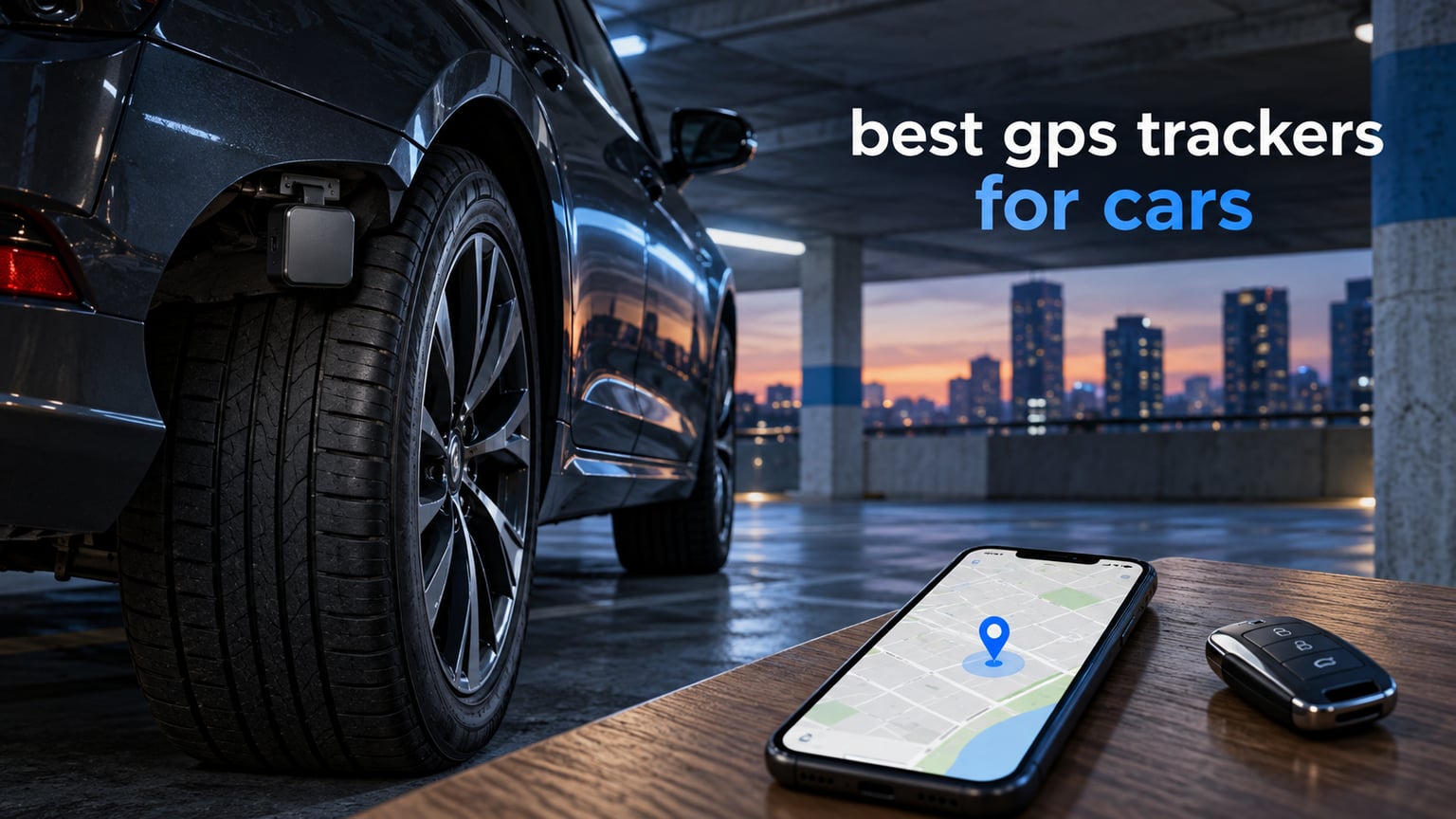
A car GPS tracker does one job well: it tells you where your vehicle is right now, and ideally where it went. We spent weeks going through specs, apps and owner reviews for the twelve trackers below, and the pattern that stood out is not the hardware. It is the bill that arrives after the box is open.
Every tracker here either runs on its own battery and needs a data plan, or draws power from the vehicle through the OBD-II port or a hardwire. The first kind costs nothing to install and everything to run. The second kind never needs charging but sits in plain sight where anyone driving away with your car can pull it out.
That trade-off runs through all of the best GPS trackers for cars in 2026, so this roundup is organised around it rather than around brand names. We cover what each device does well, where it falls short, and what the total cost looks like over several years of ownership. If you are tracking an older adult rather than a vehicle, our guide to the best GPS trackers for elderly parents covers a different set of priorities.
Table of Contents
Top 3 Best GPS Trackers for Cars (October 2026)

LandAirSea 54 GPS Tracker
- Magnetic and waterproof
- Updates as fast as 3 seconds
- Motion-activated sleep
- 1 year playback history
Bouncie GPS Tracker
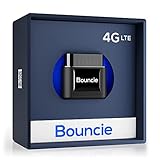
- OBD2 plug-and-play
- 15-second refresh
- Vehicle diagnostics
- Crash detection alerts

Tracki Pro GPS Tracker
- 10000mAh battery
- Coverage in 185+ countries
- Wi-Fi fallback indoors
- Adjustable update intervals
These three cover very different needs. The LandAirSea 54 is the most reviewed tracker in this list by a wide margin, which means the quirks below are documented in detail by thousands of owners. The Bouncie is the one to buy if you never want to think about charging a device again. The Tracki Pro is the choice when the vehicle you are tracking cannot be recharged on a schedule.
Quick Overview: All 12 Trackers Side by Side
Everything below covers a car, but the installation method and power source change what each device can realistically do. Read the connection column first, then the battery, then everything else.
| Product | Specifications | Action |
|---|---|---|
| LandAirSea 54 GPS Tracker |
|
Check Latest Price |
| Bouncie GPS Tracker |
|
Check Latest Price |
| Tracki Pro GPS Tracker |
|
Check Latest Price |
 Rewire Security DB2-4G GPS Tracker Rewire Security DB2-4G GPS Tracker |
|
Check Latest Price |
 VITALGLOW OBD GPS Tracker VITALGLOW OBD GPS Tracker |
|
Check Latest Price |
 Cube Pro Real-Time GPS Tracker Cube Pro Real-Time GPS Tracker |
|
Check Latest Price |
 SpyTec GPS Tracker OBD Plug-in SpyTec GPS Tracker OBD Plug-in |
|
Check Latest Price |
 Benbengo OBD GPS Tracker Benbengo OBD GPS Tracker |
|
Check Latest Price |
 Benbengo Magnetic GPS Tracker Benbengo Magnetic GPS Tracker |
|
Check Latest Price |
 Trackhawk VL03 4G LTE GPS Tracker Trackhawk VL03 4G LTE GPS Tracker |
|
Check Latest Price |
 CarLock Wired GPS Vehicle Tracker CarLock Wired GPS Vehicle Tracker |
|
Check Latest Price |
 GPSCOTECH OBD GPS Tracker GPSCOTECH OBD GPS Tracker |
|
Check Latest Price |
Two details in that table decide most purchases. A tracker that plugs into the OBD-II port is powered by the car and reports live while driving, but anyone with the key can unplug it in seconds. A magnetic tracker can hide under the chassis where a thief will not look, but it runs on a battery you have to remember.
1. LandAirSea 54 GPS Tracker: Best Overall Magnetic Tracker
LandAirSea 54 GPS Tracker – Made in the USA from Domestic & Imported Parts. Long Battery, Magnetic, Waterproof, Global Tracking. Subscription Required
4G LTE magnetic tracker
1500mAh battery,30 day average life
Updates as fast as 3 seconds
1 year of playback history
Pros
- Compact body with an internal magnet
- Fast 3-second location updates
- Motion-activated sleep mode extends battery
- Waterproof build for ATVs and equipment
- Lifetime warranty from a US manufacturer
Cons
- Paid subscription required to activate
- Monthly billing costs meaningfully more than annual
- Best sellers rank sits behind newer OBD trackers
With close to 30,000 reviews behind it, the LandAirSea 54 is the most scrutinised tracker in this roundup, and it holds up well under that scrutiny. It is a 2.25 inch square magnetic puck that weighs under 5 ounces, so it disappears under a seat rail or inside a wheel well without looking out of place.
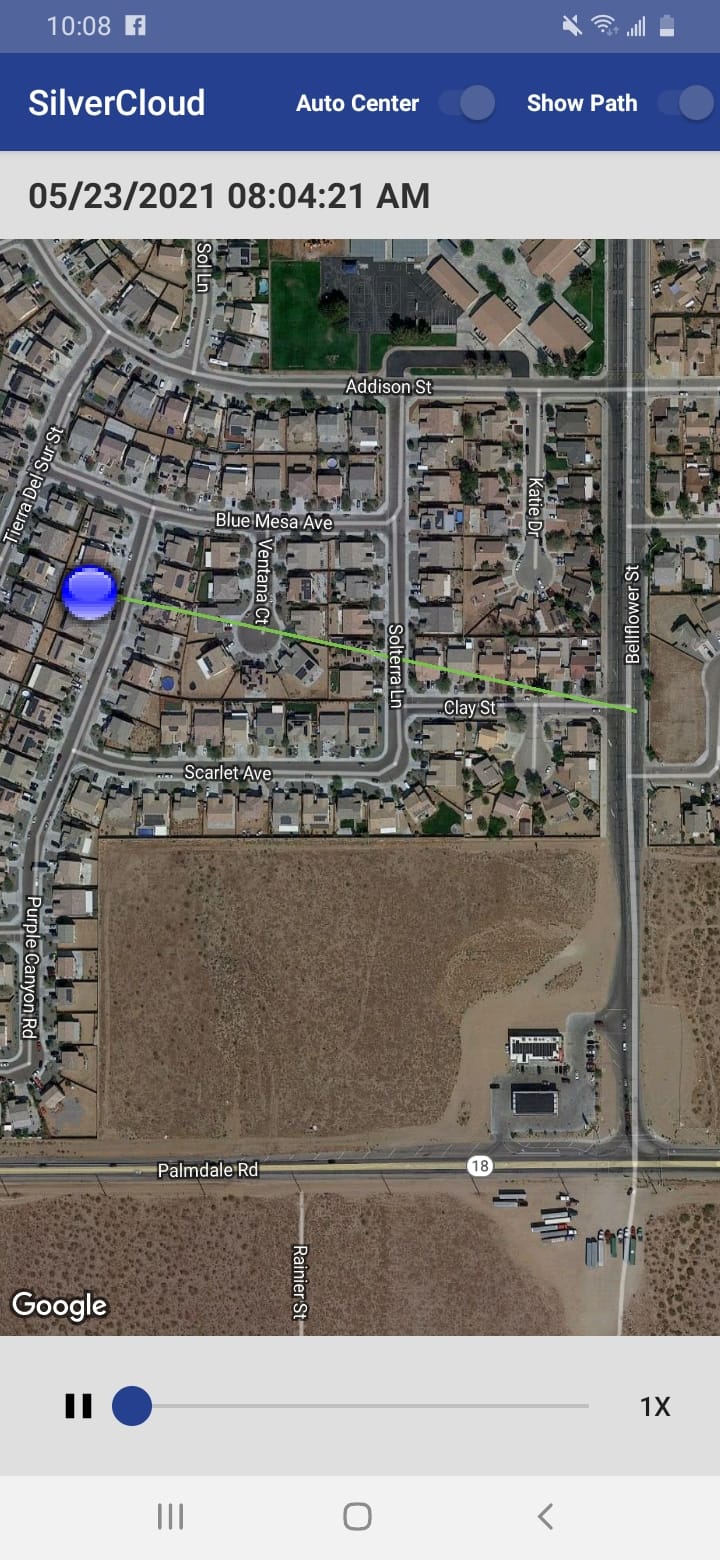
The tracking itself is fast. Owners regularly report position refreshes in three seconds, and the web portal runs on Google Maps with a SilverCloud app for phones. Location history holds playback for up to a year, which matters when you need to reconstruct a route after the fact rather than catch a car in motion.

Battery life is the quiet strength. The unit carries a 1500mAh cell rated at about 30 days of average life, and a motion-activated sleep mode cuts drain whenever the asset is stationary. That combination means a car driven daily needs charging far less often than the raw 30-day figure suggests.
The build is genuinely rugged. The housing is waterproof, and owners use it on ATVs, golf carts and equipment as often as on cars. Manufacturer coverage includes an unconditional lifetime warranty against defects plus a 30-day money-back guarantee, both rare in this category.
What you are committing to with the subscription
About 11% of its reviews are one-star, and the complaints in that group are overwhelmingly about the ongoing service cost rather than the device. The fix most reviewers recommend is simple: take an annual plan instead of billing monthly, because the monthly rate is meaningfully higher. There are no contracts and you can cancel whenever you want, but there is no free tier that shows live location.
Where it falls short against the plug-in trackers
A magnetic tracker has to be found and charged, and its category rank now sits behind newer OBD-II devices because those never need charging at all. If you drive daily and want zero maintenance, this is the wrong category for you. If you need a tracker that hides well, survives weather and works on a trailer, the compromise is worth it.
2. Bouncie GPS Tracker: Best OBD-II Tracker With Real Driving Data
Bouncie GPS Tracker for Vehicles with Real-Time Location
OBD2 plug-in for 1996 and newer vehicles
4G LTE CAT M1 with unlimited retention
Refreshes about every 15 seconds while moving
Reads engine diagnostic data
Pros
- No tools
- wires or charging required
- Reliable 15-second updates while driving
- Engine trouble codes and battery alerts
- Instant geofence and unplug notifications
- Polished app with street-view satellite imagery
Cons
- Collision detection misses minor fender bender impacts
- OBD plug can be pulled by any driver
- Mileage is undercounted on long drives
- Alerts limited to text and push
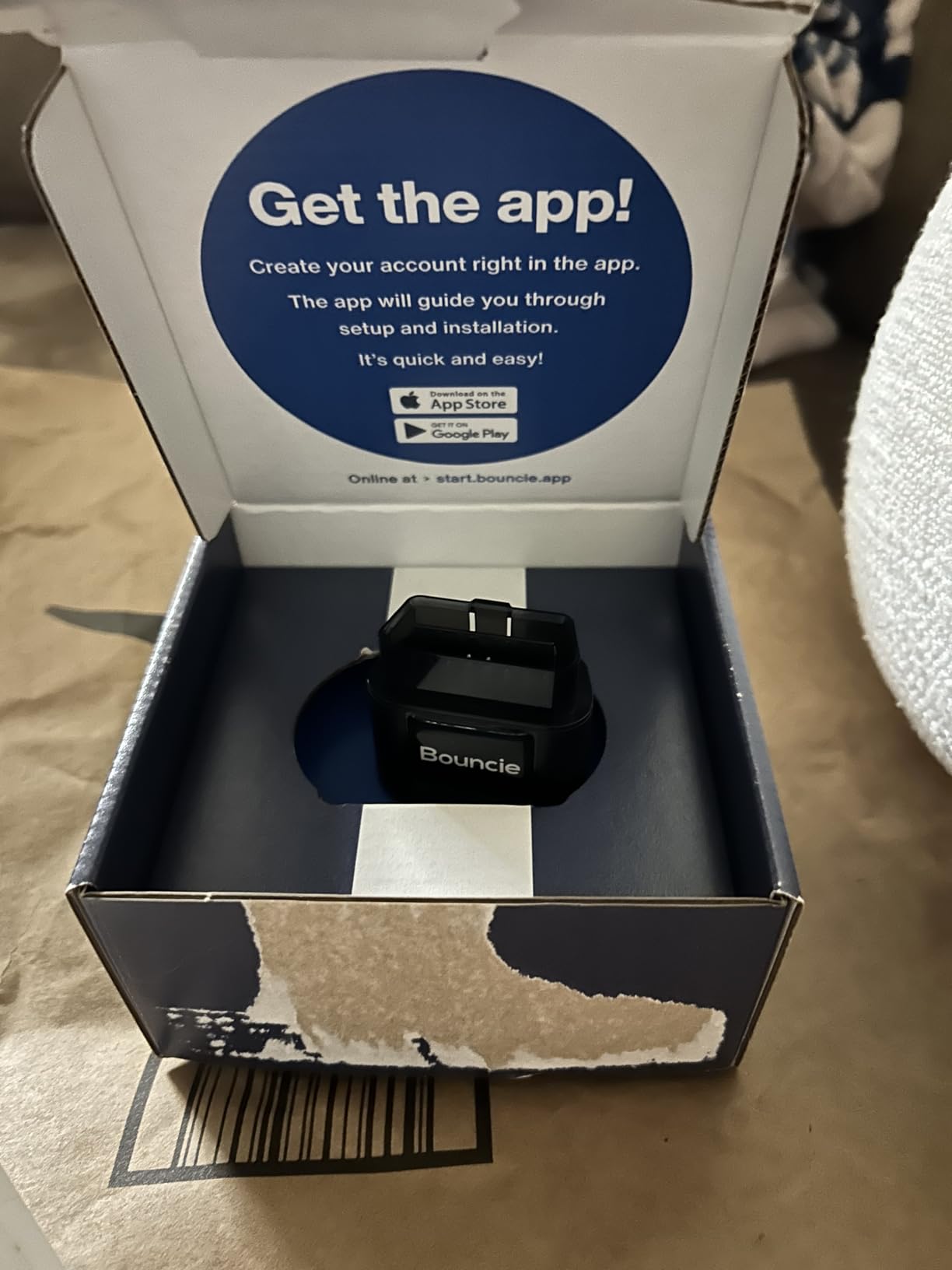
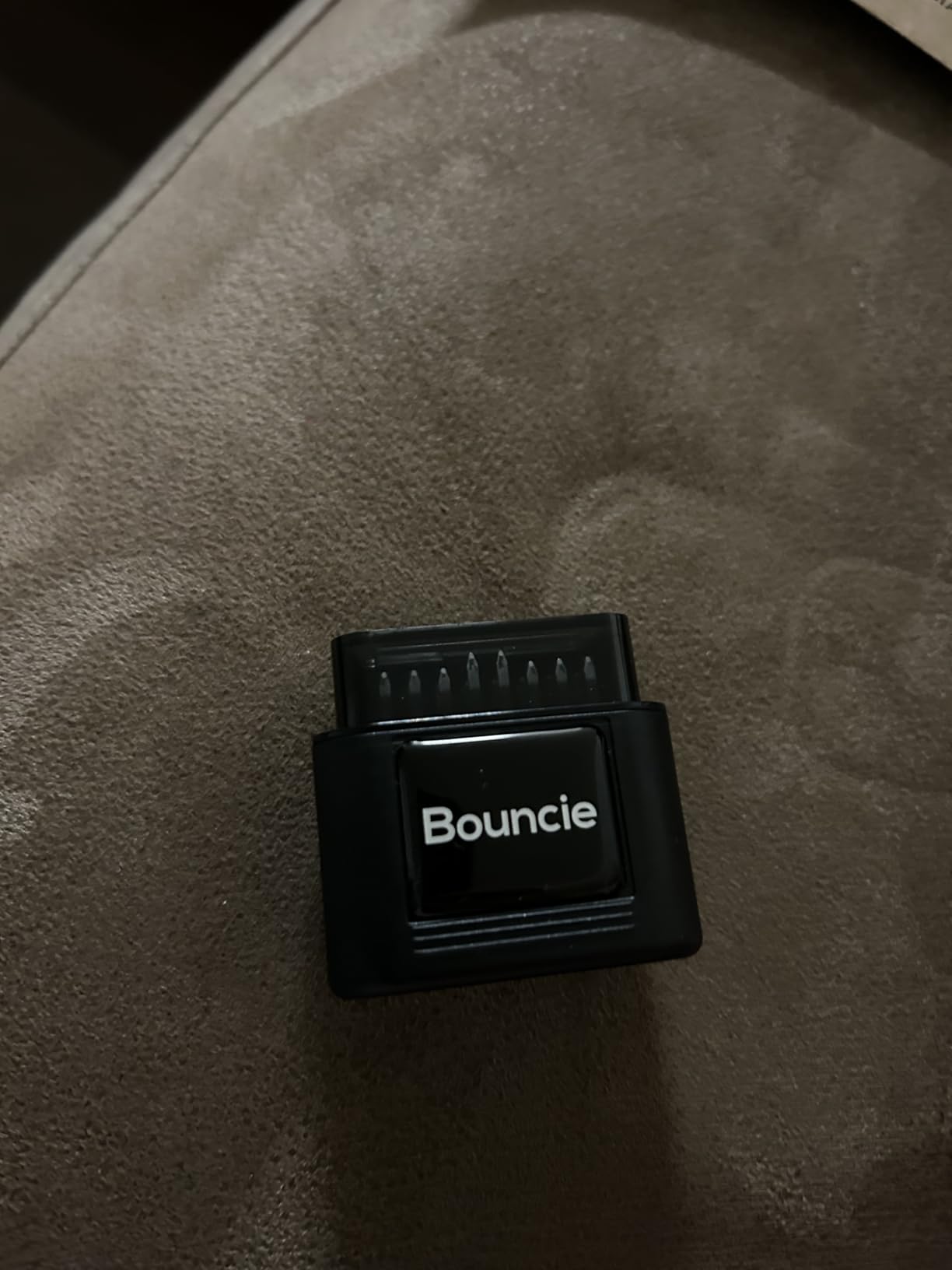
The Bouncie is the tracker that shows up most often in advice threads on r/askcarguys when parents ask about monitoring a new teen driver, and the reason is consistency. It plugs into the OBD-II port, draws power from the car, and starts reporting without a charging routine ever entering the picture.
Updates land about every 15 seconds while the vehicle is moving, which is fast enough to follow a drive in progress and slow enough to be realistic about battery and data use. It also reads genuine diagnostic data from the car, which means low fuel, low battery and engine trouble codes reach you as alerts rather than as a dead car on the side of the road.
Geo-fence entry and exit notifications are instant, and unplug detection tells you the moment the device is removed. Unlimited trip history is stored, and parked locations show street-level and satellite imagery, which is genuinely useful for confirming whether a car is where the owner said it would be.
Owners also credit the app. It is described as polished years ahead of most competing trackers, with colour-coded speed bands, driving insight screens covering acceleration, hard braking and idle time, and a desktop browser view for anyone who does not want to squint at a phone.
What crash detection actually delivers
This is the most repeated disappointment in the reviews. Bouncie uses onboard sensors and sends an SMS alert on impact, and it works well for serious collisions, but several owners report it missing light fender bender-type impacts. One fleet operator reported receiving no alerts across several accidents. Treat it as a serious-collision alert, not a parking sensor.
Whether an exposed port is a real risk
The OBD-II plug sits under the dashboard near the steering wheel and is visible when you kneel down. That is a genuine limitation for anyone worried about a thief who knows what they are looking for, and it is exactly the argument for pairing this with a hidden magnetic unit. For a teen driver or a family fleet where the driver is not a thief, the trade rarely comes up.
3. Tracki Pro GPS Tracker: Best Battery Life for Trailers and RVs
Tracki Pro GPS Tracker for Vehicles, 4G LTE, Long Battery Life
10000mAh battery,2-7 months active tracking
4G LTE Cat1 with built-in global SIM
Coverage across 185+ countries
Update intervals from 15 seconds to 1 minute
Pros
- Largest battery in this roundup
- Built-in magnet plus included screw mount
- Wi-Fi fallback improves indoor accuracy
- Alert suite covers speed
- geofence
- impact and battery
- Works on cars
- trailers
- trucks
- boats and motorcycles
Cons
- Subscription required to activate the service
- Bulkier than plug-in trackers
- Battery life drops sharply on continuous live tracking
The defining number on the Tracki Pro is 10,000mAh. That is roughly six times the cell in the LandAirSea 54, and it is why owners routinely deploy these on trailers, RVs and equipment that nobody can recharge on a schedule. In interval logging mode, that translates to two to seven months of active tracking, and up to 12 months in sleep mode.
Coverage is genuinely global. A built-in SIM works across more than 185 countries, and the tracker falls back to Wi-Fi positioning indoors where satellites cannot see. Outdoors, accuracy is quoted at 5 to 10 meters, which is more than enough to identify a parking spot.
Mounting is flexible. There is a strong built-in magnet for the quick jobs, and a screw mount in the box for a fixed install that will not shake loose on bad roads. The housing is weatherproof, so underbody and trailer mounting are realistic rather than aspirational.
Alerts cover speed, geofence crossings, movement, idle time, impact and low battery, delivered by SMS, email and app. Update intervals are configurable from 15 seconds up to a full minute, so you can trade detail for runtime as the situation demands.
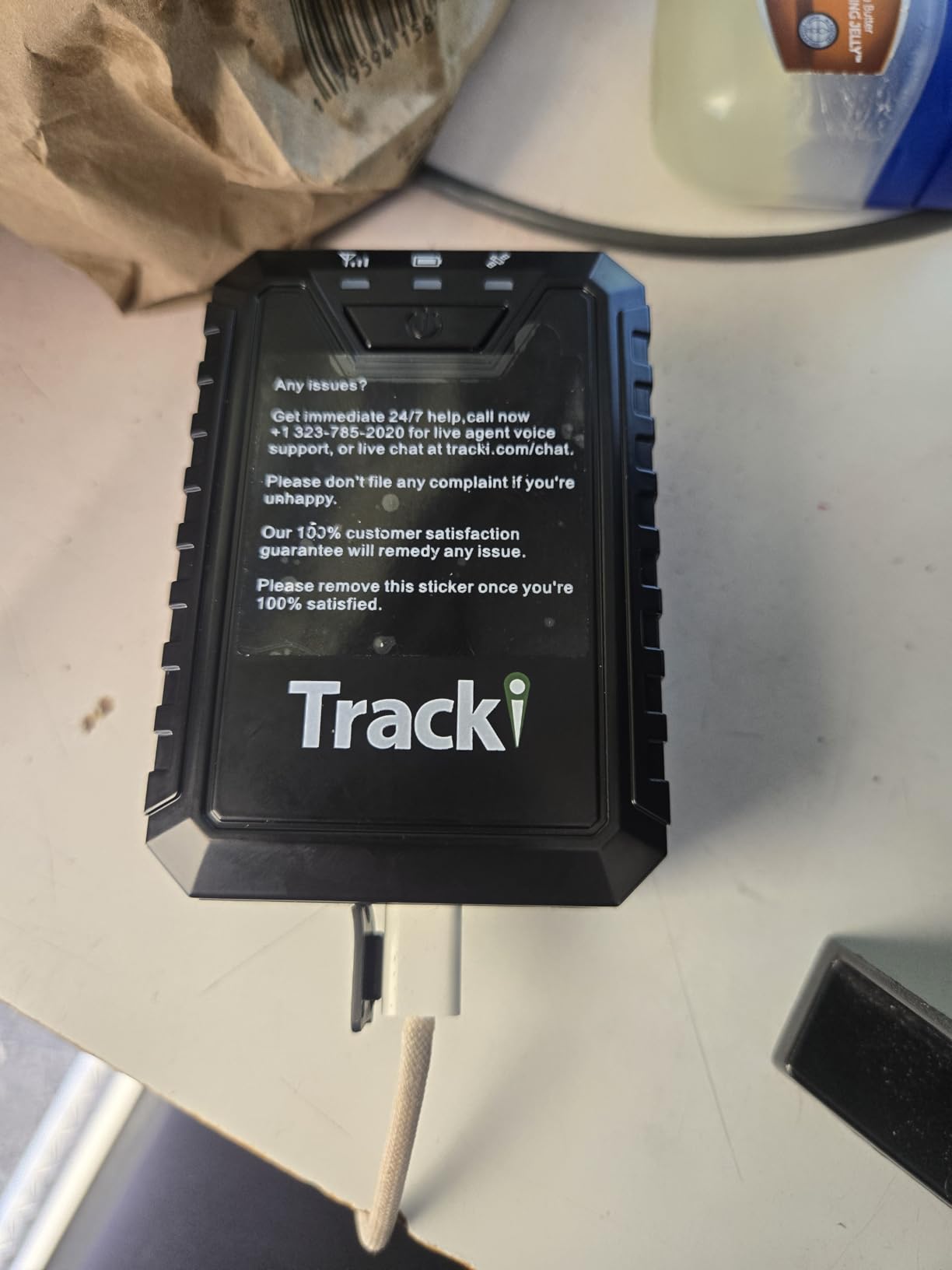
How to get the full battery life out of it
The advertised months assume interval logging, not live tracking. Owners who leave the device on continuous live mode report a large drop in runtime. Set a 30-second or 60-second interval for daily driving and switch to live only when you are actively following a route, and the gap between charges stays wide.
Who should skip this one
It is the bulkiest tracker here at 18 ounces and 3.5 by 2.5 inches, so it needs a real hiding spot rather than a magnetic sliver on a steel panel. If your tracking need is a daily commute car in a low-theft neighbourhood and you would rather never touch a charging cable, the LandAirSea 54 is the lighter and more discreet choice.
4. Rewire Security DB2-4G: Best Tracker That Installs Two Different Ways
Rewire Security DB2-4G GPS Tracker for Vehicles, Free Trial
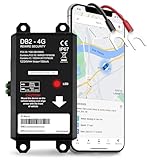
Hardwired 2-wire install or magnetic attach
8V-32V compatibility
Pre-installed SIM with data plan
12 months of route history in GPSLive
Pros
- Genuine free trial to test the service
- Hidden hardwired or quick magnetic install
- Wide voltage range covers trucks and RVs
- Theft-oriented alerts for power loss and disconnection
- Bundled SIM needs no separate data plan
Cons
- 200mAh internal battery is small
- Shorter plans cost more per month than longer ones
- Less review volume than established brands
The DB2-4G is the tracker to look at when you are not sure yet which install you want. It supports a two-wire hardwire with ignition sensing that detects voltage change, or a simple magnetic attach, and the same unit covers either case. That flexibility matters for anyone converting a car to a hardwired setup later.
The voltage range is unusually wide at 8V to 32V, so the same device works in cars, trucks, motorcycles, boats and trailers. A SIM is pre-installed with a data plan for coast-to-coast coverage, which removes one step between unboxing and first location fix.
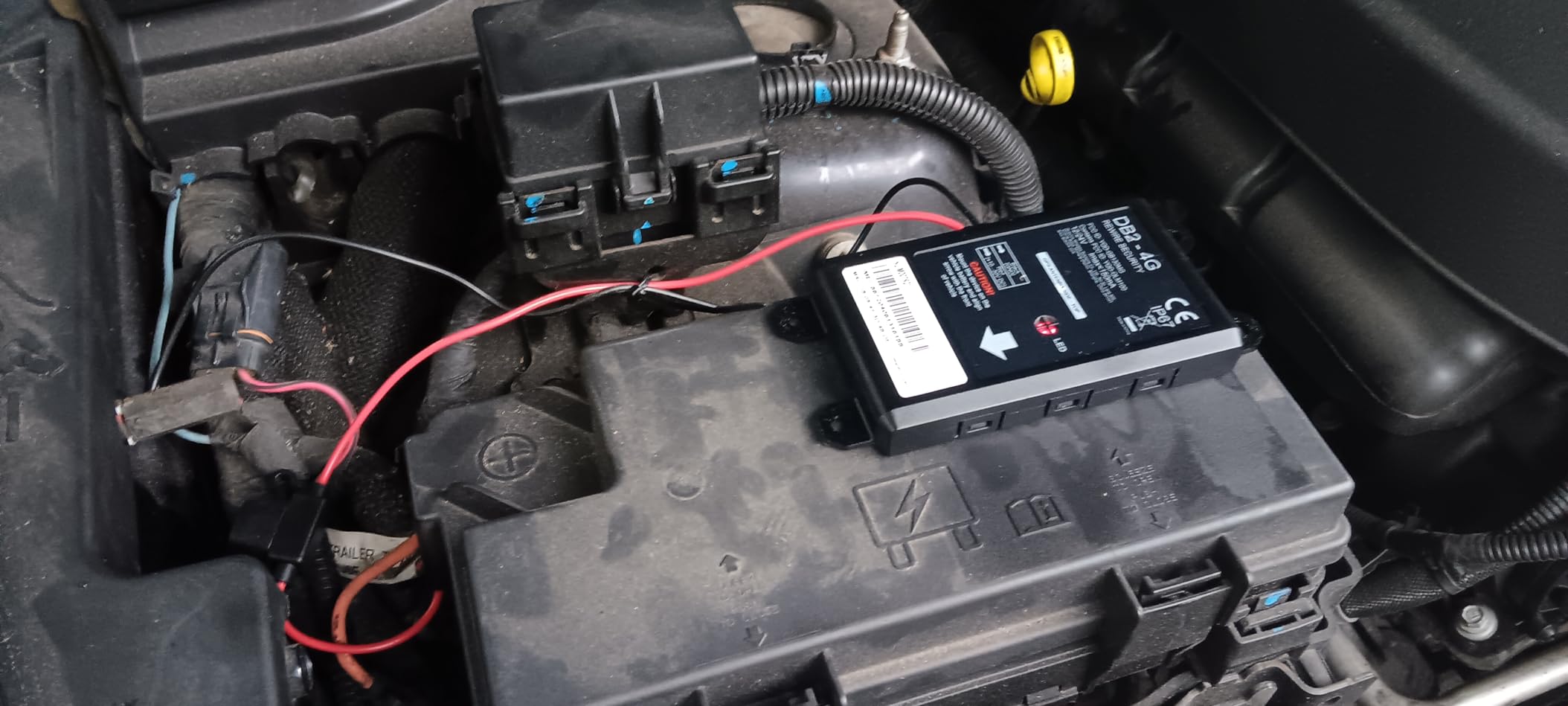
The alert set leans toward theft detection: ignition on and off, battery disconnect, power loss and trailer movement. Custom geofence zones push and SMS notifications, and the GPSLive platform stores 12 months of route history. An accelerometer handles motion and impact events.
The 7-day free trial is the detail that makes this easy to recommend. It lets you confirm the app works on your phone, the notifications actually reach you, and the coverage holds in the places you drive, before you commit to a plan.
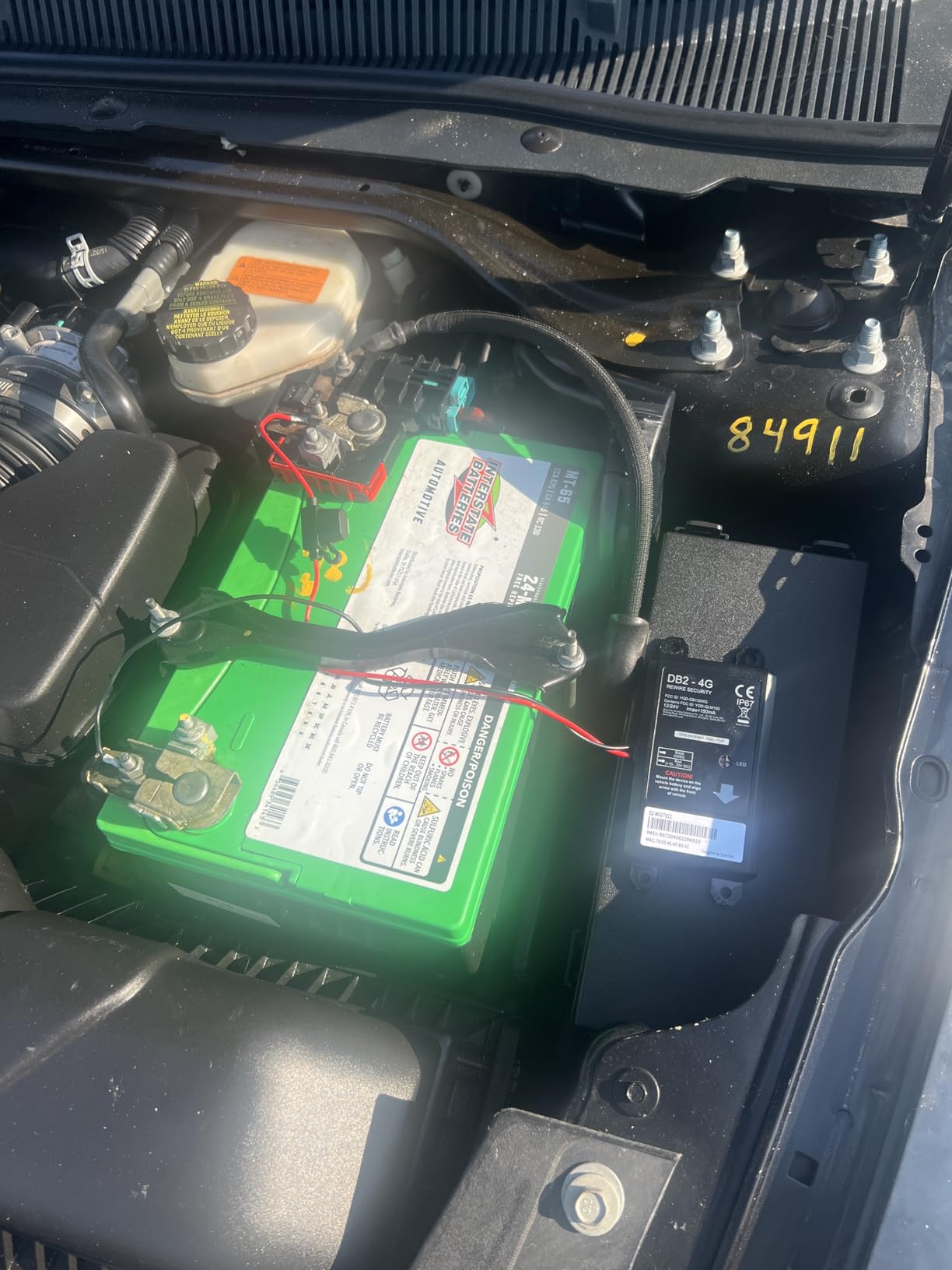
Where the small battery actually bites
The internal cell is only 200mAh. That is fine on a hardwired install running off vehicle power, and it is the safety net that keeps reporting briefly if the vehicle is cut. It is not a battery designed for long unattended operation away from power, so the hardwire or the magnetic attach on an active vehicle is the intended use.
What you give up versus bigger brands
Support and review volume are the trade. With 787 reviews and a smaller brand footprint, the installation guidance and customer service are less battle-tested than what LandAirSea or Bouncie offer. If you can run the two-wire install yourself, that is a fair exchange for the trial period and dual install options.
5. VITALGLOW OBD GPS Tracker: Best Tracker With No Subscription
OBD GPS Tracker for Vehicles, No Monthly Fee, No Subscription
No subscription, activation or hidden fees
30-second updates while driving
Coverage in 170+ countries and regions
Hardwired and battery-powered variants
Pros
- No recurring cost of any kind after purchase
- Hardwired models never need charging
- 30-second updates give accurate positions
- Strong magnet on battery variants
- Geofence
- tamper and overspeed alarms
Cons
- App notification tone is barely audible
- Position accuracy drifts inside a garage
- Signal degrades in weak coverage areas
- Some buyers want a stronger antenna
This is the answer for anyone who resents a monthly tracker bill. There is no subscription, no activation fee and no hidden charge of any kind, so the cost ends when you pay for the device. Several owners describe the one-time price as offsetting only a handful of months of competitor fees.
Both install styles are available. Hardwired variants draw from the vehicle and auto-sleep a few minutes after shutdown, while battery-powered versions run roughly 15 to 20 days per charge. Location updates come every 30 seconds while driving, with mileage tracking, route history and speeding monitoring in the app.
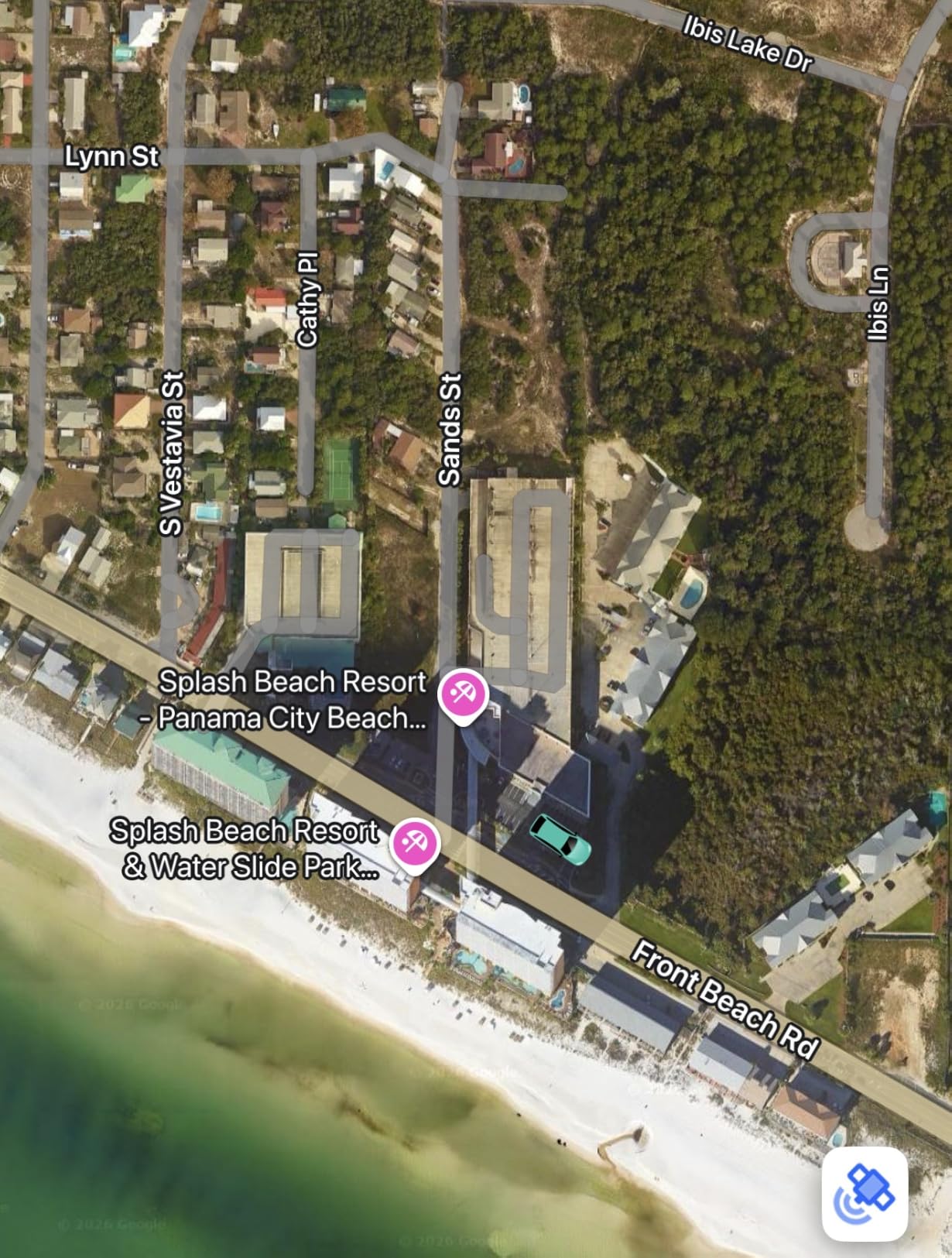
Coverage is listed at more than 170 countries and regions, including the US, Canada and Mexico, with no extra charge for international use. The alarm system covers overspeed, removal or tamper detection, and geofence entry and exit. Some variants add a remote kill switch.
Owners report close to a year of reliable service on hardwired installs, and low drain of roughly 4 to 5% per week on the portable version. That long-run consistency is what makes the no-subscription pitch credible in practice rather than just on the product page.
Fix the notification problem before you need it
The clearest recurring complaint is the app. Owners describe a barely audible notification tone alongside the push message, and several note that alerts went unnoticed until they checked the app hours later. Turn on the loudest sound setting, allow notifications at the system level, and pair it with a geofence that covers your home so you learn the sound before it matters.
Where signal decides the outcome
No-subscription does not mean no cellular network. This tracker depends on coverage just like every other device here, and updates skip in weak-signal areas while position accuracy drifts inside a garage. If your car spends nights in a parking structure or your route crosses rural stretches, test the signal in those places during the first week.
6. Cube Pro Real-Time GPS Tracker: Best Battery Life in This Roundup
Cube Pro Real-Time GPS Tracker for Cars & Trucks w/ 4G LTE & 1 Year Battery
6000mAh battery,up to 1 year per charge
IP67 waterproof housing
Stores up to 5 years of location history
Built-in 100dB locator ring
Pros
- Real-world battery reports of 46% left after 8 months
- Very strong magnet that survives rough roads
- IP67 waterproofing holds up on underbody mounts
- Configurable ping intervals changed instantly in app
- Clean app with CSV and PDF route export
Cons
- Bulky at roughly the size of a large phone
- Interval logging leaves gaps between reports
- Highest monthly subscription in this group
- Poor rural coverage
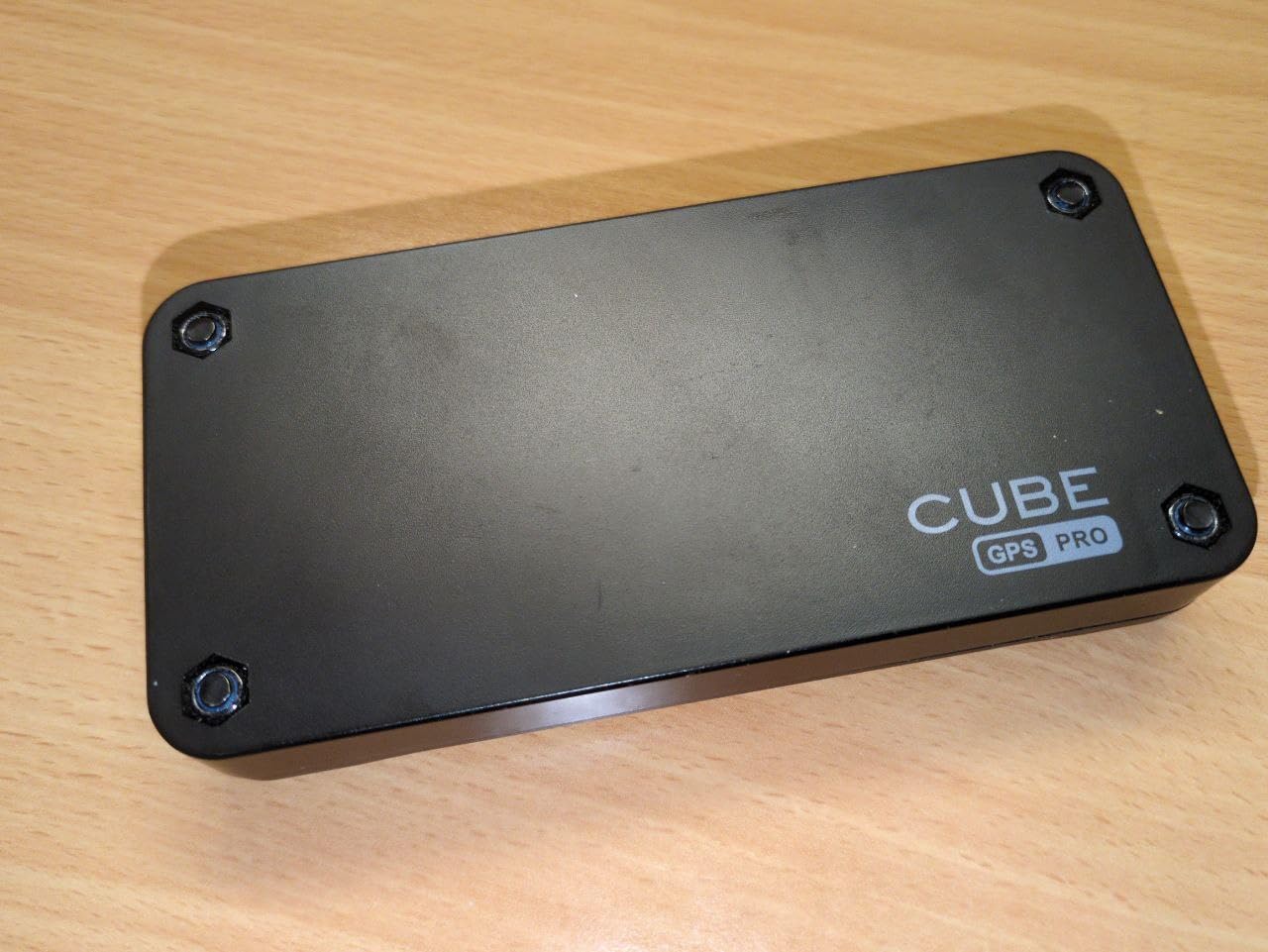
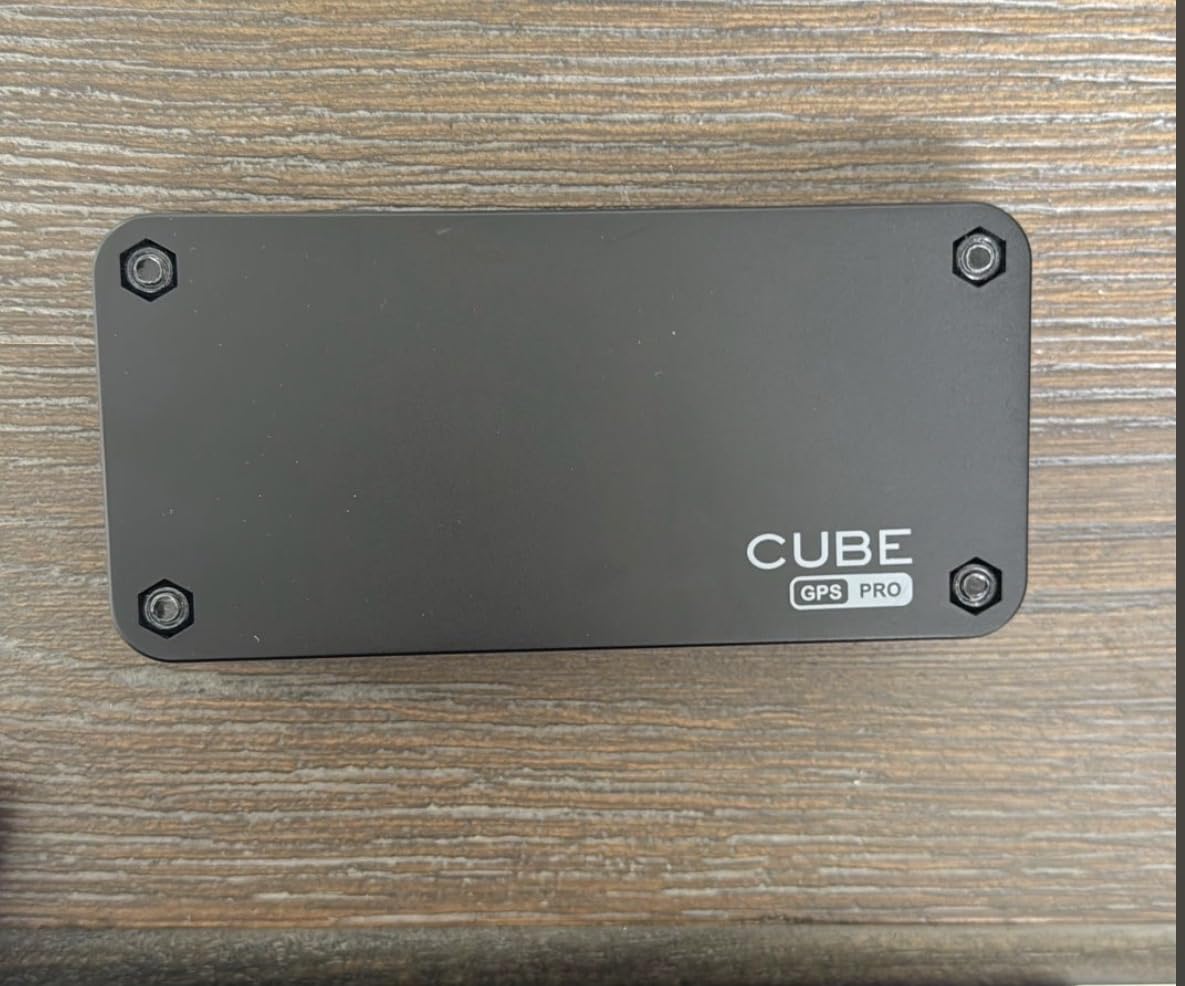
The Cube Pro ties for the highest rating in this roundup, and the reason is battery endurance. The 6000mAh cell is rated at up to one year per charge at typical interval settings, and owners document it: one reported 46% remaining after eight months of daily driving, another 96% after a month. That is the number that matters for a trailer or a camper van.
The housing carries an IP67 waterproof rating, so rain, road spray and dust are not concerns on an underbody or trailer mount. Mounting hardware is unusually complete, with two integrated magnets plus screws and a lock clip, which matters when the device is worth keeping hidden.
The app is clean and the geofence notifications arrive on time. Ping intervals are configurable from 10 minutes down to 1 minute or live mode, and you can change them instantly from the app rather than rebuilding the setup. Route data exports to CSV and PDF with coordinates, speed and reverse-geocoded addresses, which fleet and tax users appreciate.
There is a small practical extra: a built-in 100dB ring to help you locate the device if you have forgotten where you mounted it. Bluetooth can be disabled, which keeps the tracker from announcing itself over Bluetooth scans.
Live tracking and long battery are a choice
Live GPS mode drains the battery far faster than interval logging, so the one-year figure and the live feed are mutually exclusive. Decide which matters before you mount it. For theft recovery, a 10-minute interval with a good geofence is usually enough to get you a heading within the hour.
The honest trade-offs
Two things cost you here. The body is chunky, roughly the size of a large phone, so it needs a proper hiding spot rather than a thin steel surface. And the monthly subscription is the most expensive per month among the trackers in this roundup, so the long battery does not fully offset the running cost.
7. SpyTec GPS Tracker: Best for the Fastest Location Updates
Spytec GPS Tracker for Vehicles, OBD Plug-in Car, Real-Time Anti-Theft
OBD plug-in installation
Location updates every 1 second
4G Super SIM across North America and worldwide
Geofencing, speed and hard braking alerts
Pros
- Fastest update rate in this roundup at 1 second
- Tool-free plug-and-play setup
- Runs off vehicle power with no battery to recharge
- Customer support available in English and Spanish
Cons
- Subscription required before the device activates
- App and platform described as slow
- Live view does not always update in real time
- May not fit certain Honda OBD ports
One-second updates are the headline here, and no other tracker in this roundup reports faster. For following a vehicle in motion at a distance, or for watching a track day or a long road trip, that refresh rate is genuinely useful. For an anti-theft device sitting in a parking lot, it is far more than you need.
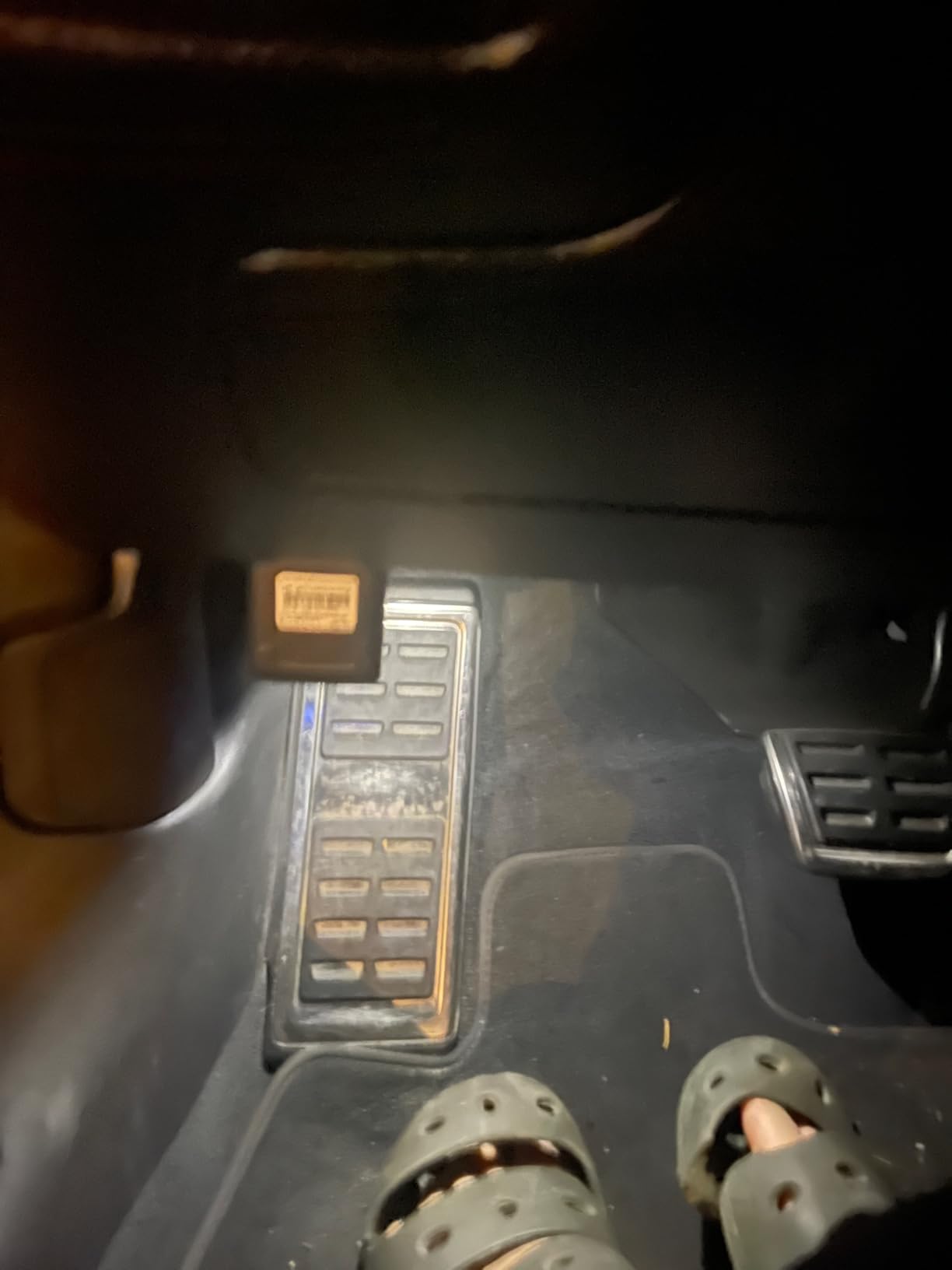
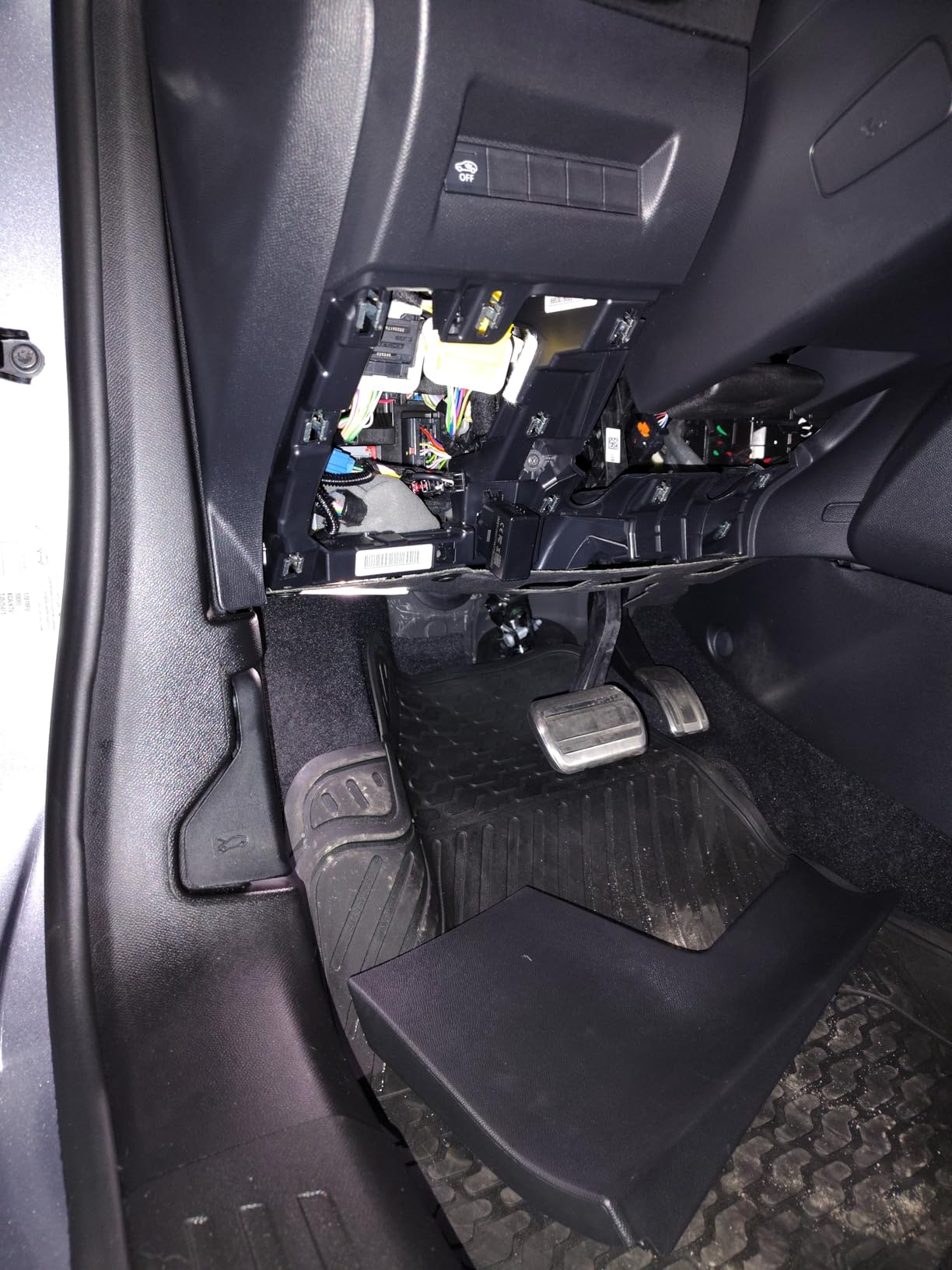
Installation is a one-second job. The tracker plugs into the OBD-II port next to the steering wheel, draws power from the vehicle, and has no internal battery to manage. Anti-theft alerts cover attempted starts, tampering and movement, and the alert set adds geofencing, speed thresholds and hard braking detection.
Coverage runs on a 4G Super SIM across North America and worldwide, and the plans carry no contract with cancellation at any time. Support is available in both English and Spanish, which several buyers specifically mention as a reason they picked it over larger brands.
Fleet tracking is supported on the same platform, so this can work as a low-cost entry point for a small business tracking a handful of vehicles rather than a full commercial setup.
Check your OBD port before ordering
Port clearance varies by model, and owners report fit problems on certain Honda vehicles where the plug sits too close to the dashboard or a knee panel. Measure the space above your port with a ruler before you commit, or buy knowing you may need a right-angle adapter.
Fast updates do not mean accurate ones
A one-second refresh tells you how often the device reports, not how good the position is. Some users describe location as approximate, and the live track view does not always move in real time despite the update rate. For anti-theft geofencing this is fine; for precision work, treat the refresh rate as a headline number rather than a quality measure.
8. Benbengo OBD GPS Tracker: Best for Mileage and Trip Reports
OBD GPS Tracker for Vehicles, 10-sec Real Time, Speeding & Mileage Report
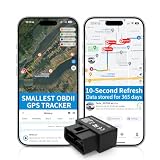
OBD2 plug-and-play,35g body
10-second real-time updates
Mileage tracker with trip reports
12-month data history in app and web
Pros
- Very quick setup with no wiring
- Location accuracy reported at 3-5 meters
- Useful speeding
- braking and geofence alerts
- Web dashboard with up to a year of trips
- Affordable subscription relative to peers
Cons
- App can be laggy and zoom resets
- Speeding threshold is all-or-nothing
- Notifications can be unreliable
- Device can stick out visibly from the port
Mileage and trip reporting is what separates this one. Alongside location, speed and route history, it logs mileage and produces trip reports in the app or on the web dashboard. If you are reimbursing employees, verifying a delivery log or watching a teenager’s driving, that data is the point.
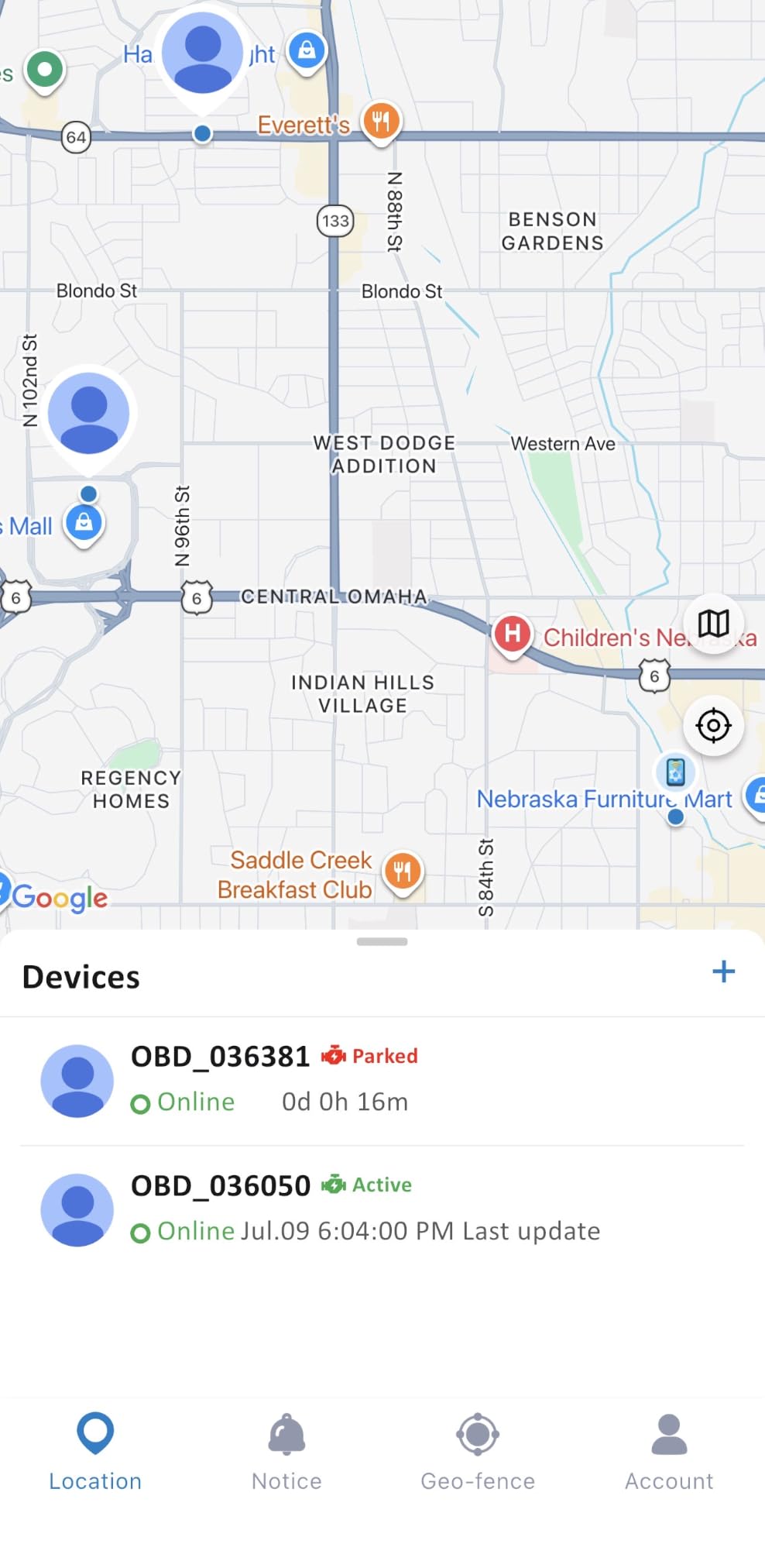
Updates come every 10 seconds with colour-coded routes, and the app and web dashboard keep 12 months of data. Location accuracy is reported by owners at about 3 to 5 meters of error, which is tight for a device this small.
Driver behaviour alerts cover speeding, geofence breaches, crashes, hard braking and rapid acceleration. A 5-day free trial runs before the subscription begins with the SIM and data included, so setup costs nothing to evaluate. The body weighs 35 grams and plugs straight into the port.
Coverage spans North and South America, excluding Venezuela, Cuba and Aruba. That is a narrower footprint than the global trackers here, so this is a fit for regional driving rather than international travel.
The speeding threshold needs work
There is no tolerance setting. The speeding alert is all-or-nothing, which produces nuisance alerts on ordinary highway driving and then tells you nothing about how far over the limit someone was. If overspeed alerts are important to you, set a geofence on a known stretch of road instead and read the speed figures off the route history.
Where the app falls short
Owners report a laggy app with a zoom level that resets, unreliable notifications in some cases, and a timezone field that cannot be changed. The 55mAh internal backup battery only holds briefly once the car is off, and the unit can protrude visibly from the OBD port. Good hardware, unpolished software.
9. Benbengo Magnetic GPS Tracker: Best for Trailers, Boats and Equipment
Magnetic GPS Tracker for Vehicles, Long Battery Life, 5D Free Trial
Metal body with IP67 waterproof rating
9600mAh battery,50 day average life
10 or 30 second update intervals
Removal alert and vibration detection
Pros
- Magnet holds firmly through rough roads
- Battery commonly lasts two to three months per charge
- Discreet enough to hide in plain sight
- IP67 build handles rain
- dust and splashes
- Useful removal and vibration alerts
Cons
- Parked status can misread brief stops
- Light on the magnet triggers false removal alerts
- Updates lag where cell coverage is weak
- History playback cannot be zoomed in far
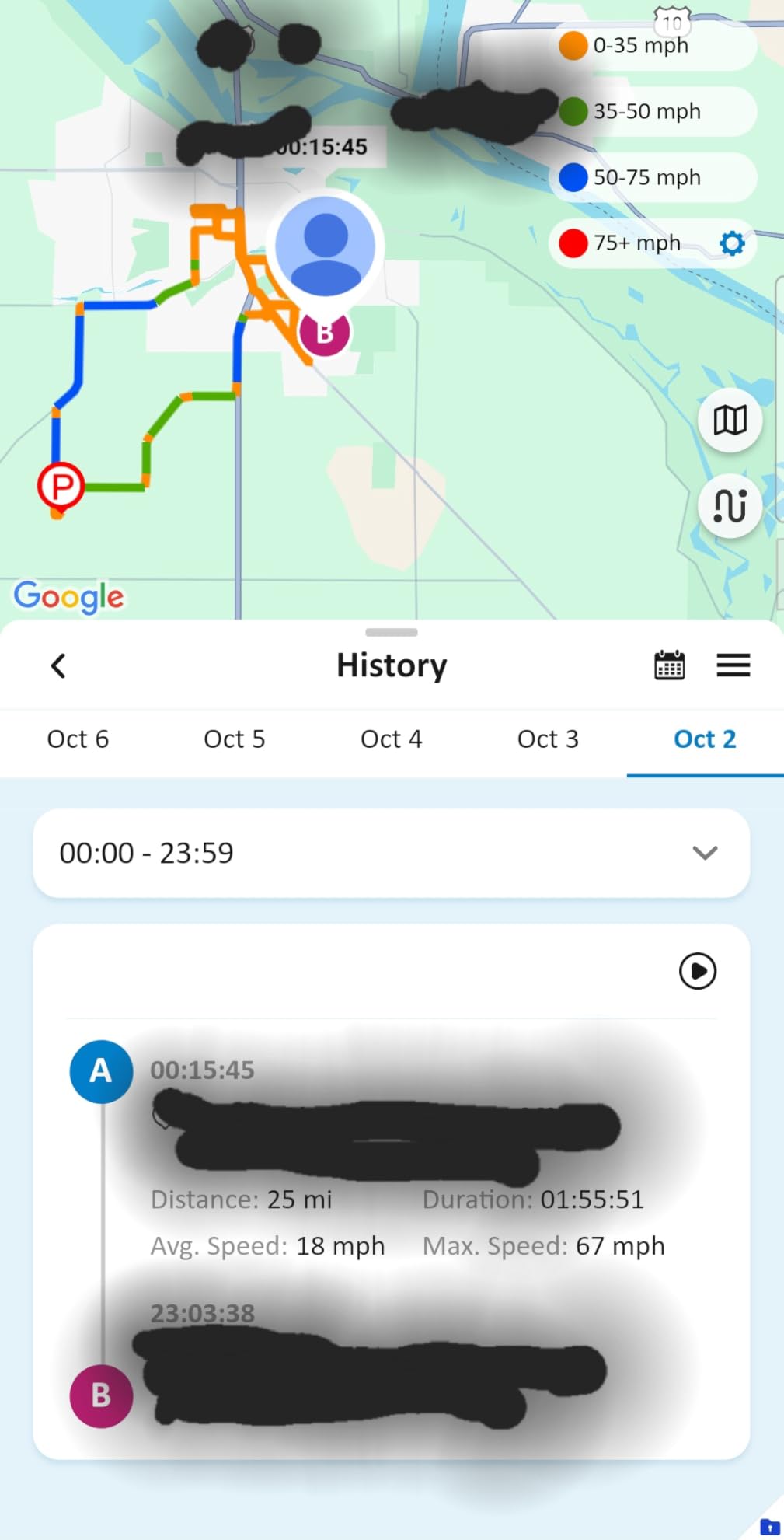
This is the Benbengo magnetic unit, and the 9600mAh cell is the headline. Rated at about 50 days of average life with up to seven months on standby, owners report two to three months per charge in real use. That is enough to bolt onto a boat, a trailer or a piece of equipment and check it a couple of times a quarter.
The body is metal with an IP67 waterproof rating, so it needs no extra case. Updates default to every 30 seconds and can be switched to 10 seconds, with one year of trip history in the app or on the web dashboard.
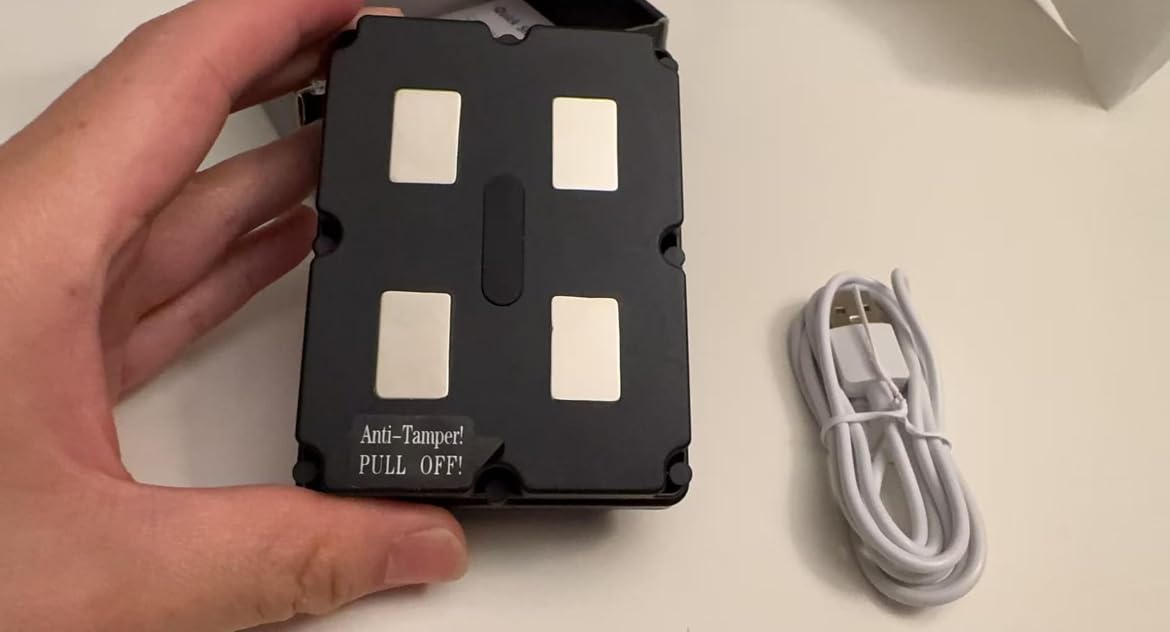
Mounting is magnetic and silent, with no voice or light during operation, which is what you want for a hidden anti-theft install. Removal alerts and vibration detection cover the two events that matter most: someone pulling it off, or something heavy being moved while the vehicle is parked.
Geofencing is included, and the app supports both iOS and Android alongside a web view with trip breakdowns. Charging is over USB, and no separate SIM purchase is needed.
Two alert quirks worth knowing about
Parked and arrival status is detected through vibration, and on a brief stop a short idle can read as parked when the car is still occupied. Light hitting the magnet can also trigger a false device-removal alert. Neither is dangerous, but both can train you to dismiss alerts, which is the opposite of what an anti-theft tracker is for.
Where coverage ends
Updates lag in remote areas with weak cell coverage, and the history playback view cannot be zoomed in as far as you would like. Coverage is North and South America excluding Venezuela, Cuba and Aruba. If you cross continents regularly, the Tracki Pro with its 185-country SIM is the better fit.
10. Trackhawk VL03: Best Tracker With a Remote Kill Switch
Trackhawk VL03 4G LTE GPS Tracker with Kill Switch for Cars and Trucks
Integrated remote kill switch for engine cut-off
Built-in backup battery for power loss
GNSS GPS with 4G LTE and 3G/2G fallback
Harsh braking, acceleration and corner alerts
Pros
- Kill switch works safely regardless of key possession
- Backup battery keeps reporting through power loss
- Accurate real-time GNSS updates
- Multi-asset dashboard for fleets
- Strong US-based support that helps with install
Cons
- Installation needs wiring knowledge
- Written instructions unclear with no first-party video
- Not compatible with every vehicle model
- Monthly fee is high for a single casual car
- One report of a failure inside a year
The Trackhawk VL03 is the only tracker here that can stop the engine. The integrated remote kill switch cuts the starter through a relay, with a manual override switch in the box so the vehicle is never permanently locked out. Owners note it works safely whether or not the keys are with the car.
A built-in backup battery keeps the unit reporting during a power loss, which is the exact moment a thief would try to kill the tracker by cutting a wire. Real-time monitoring runs over GNSS GPS with 4G LTE and 3G/2G fallback, so it still reports when the newer network is thin.
Driver behaviour monitoring covers harsh braking, rapid acceleration and sharp turns with instant alerts, and multiple assets can sit on one dashboard. Coverage is reported by users across the USA, Canada and Mexico. The device ships with the tracker, SIM, wiring harness, relay and manual override switch.
A lifetime warranty is included. Support is US-based and, according to buyers with electrical or fleet experience, actively helps with installation and account setup rather than deflecting to a generic help desk.
Who should install this
This is a wiring job. Buyers with electrical or fleet experience rate it highly; buyers without that background warn that the installation is difficult and the written instructions are unclear with no first-party install video to follow. Verify your vehicle compatibility before ordering, and budget for professional installation if you are not comfortable with a relay and a harness.
Where it does not fit
The monthly user fee is high for someone tracking a single personal car, and it is hard to justify as a casual purchase. The mobile app also hides some features by default. For a business that can use the kill switch, the driver score data and the multi-asset dashboard, the cost makes sense. For one car parked at home, it does not.
11. CarLock Wired GPS Vehicle Tracker: Best for Battery Health Monitoring
CARLOCK Wired Hidden GPS Vehicle Tracker – 12-24v Battery, Anti Theft Car Device, 4G LTE, Instant Alerts, Easy Install, Multi-Network SIM, Real-Time Monitoring
12-24V wired install with internal backup battery
Teltonika FMM880 hardware platform
Refreshes as fast as every 7 seconds
Vibration, motion and disconnection alerts
Pros
- Fleet-grade hardware used in commercial telematics
- Battery terminal install takes under five minutes
- Alerts still sound when the phone is muted
- Tracks with the engine off including tow detection
- Battery health and high-drain alerts
- Two-year manufacturer warranty
Cons
- Coverage limited to the USA and Canada
- Key tag and lock accessories reported unreliable
- App position can lag the vehicle
- Professional install needed for a hidden placement
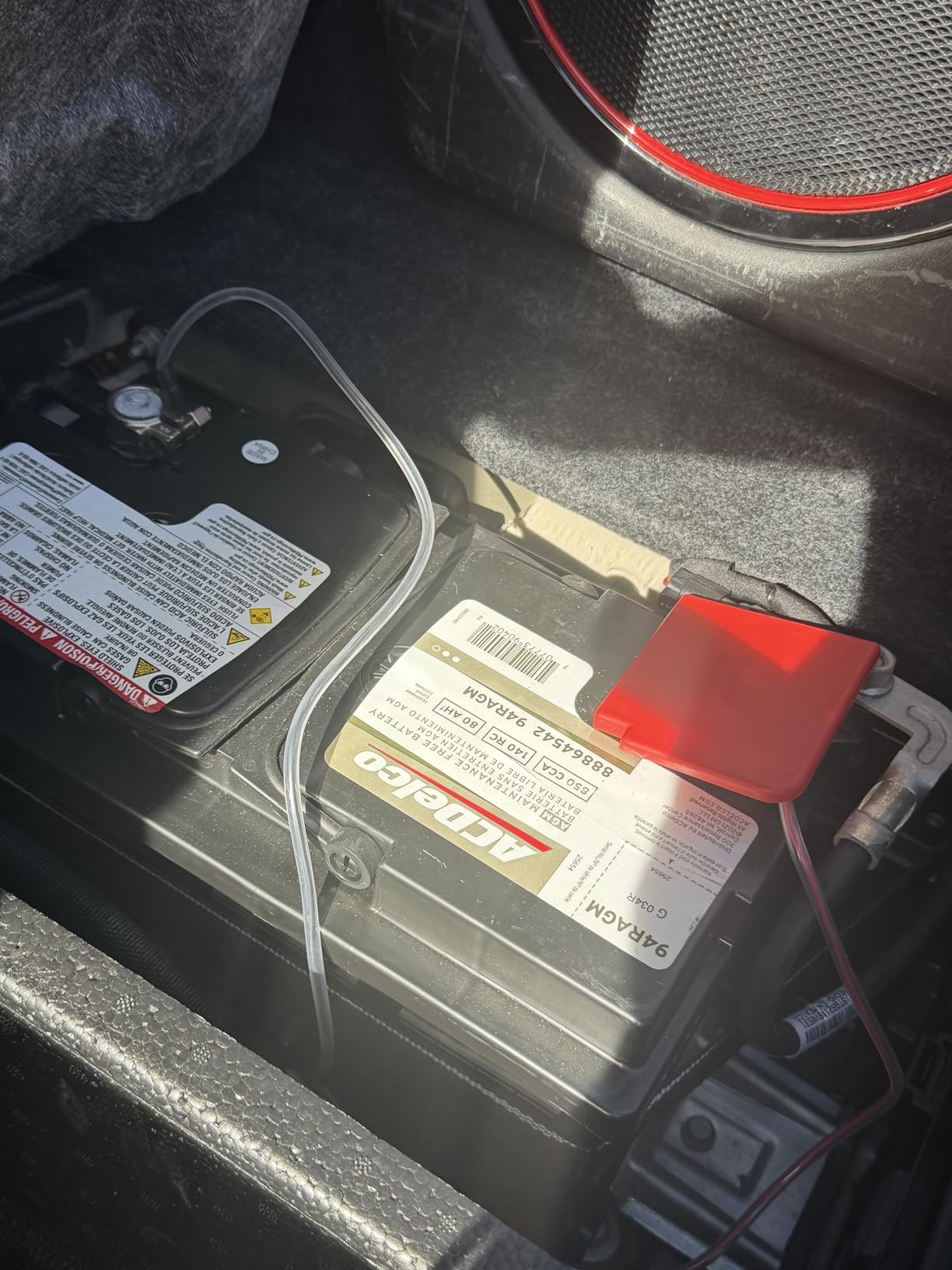
CarLock is built on Teltonika FMM880 hardware, the same telematics platform used in commercial fleet equipment, and you can feel the difference in the build. It is a wired 12-24V unit with an internal backup battery, and the installation at the battery terminals takes under five minutes for most people.
The feature that sets it apart is battery monitoring. The virtual mechanic alerts on a dangerously low car battery and on unusually high drain, which turns the tracker into an early warning system for a parasitic electrical draw rather than just a location device.
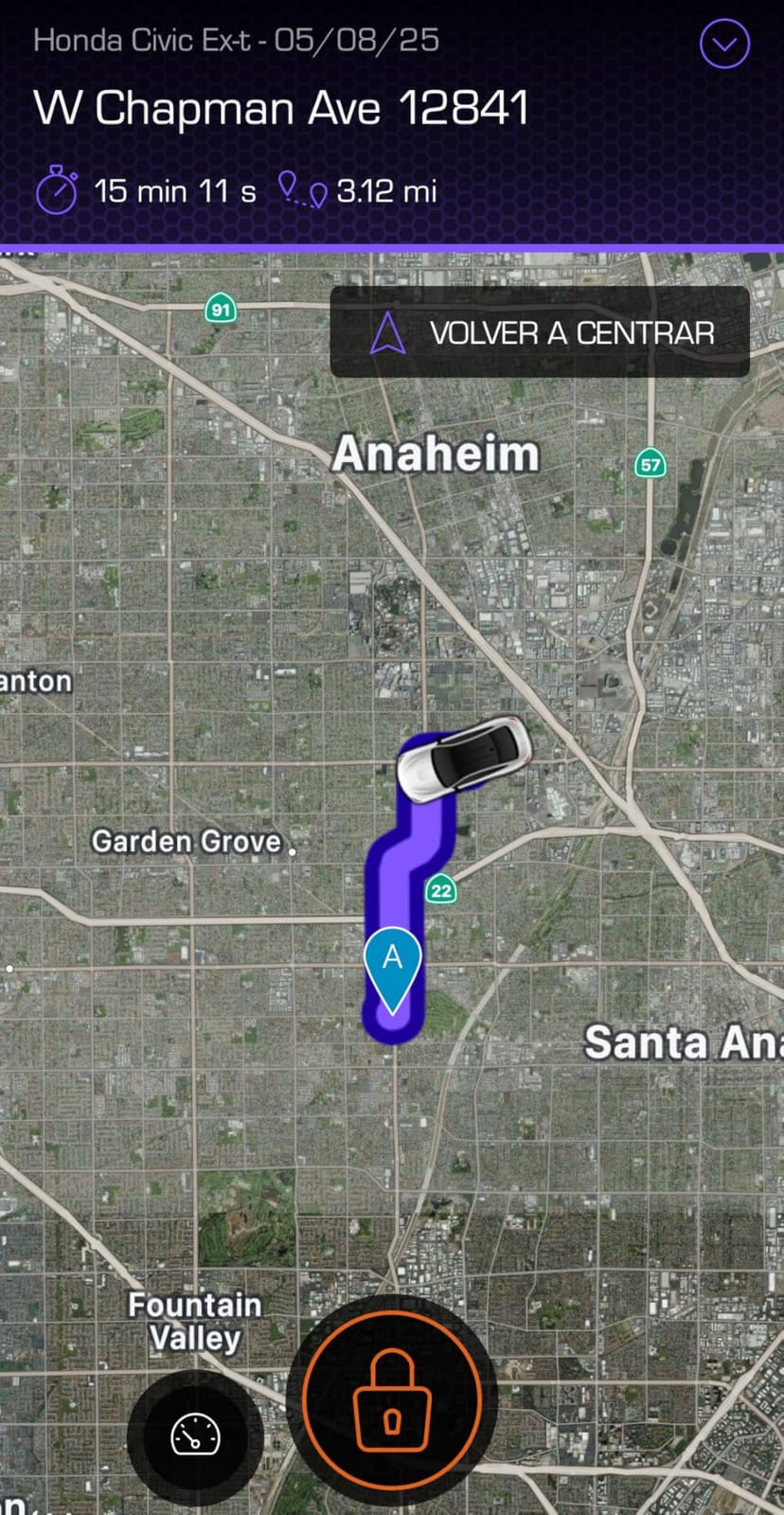
Alerts cover vehicle movement, engine start, unusual vibration and device disconnection, and they sound even when your phone is muted. That detail matters at night. It also keeps tracking with the engine off, which lets it detect a car being pushed, rolled or towed. Refresh runs as fast as every 7 seconds on the premium plan.
Teen, family and fleet monitoring adds harsh acceleration, hard braking, sharp cornering and speeding alerts with a Driver Safety Score, plus geozones, trip tagging, multiple vehicles on one account, and a two-year manufacturer warranty.
Buy the tracker, not the accessories
The optional key tag and car lock accessory draw the negative reviews. Owners report the lock cycling between locked and unlocked states at a distance, which defeats the purpose of having it. The core tracker hardware is rated well; skip the add-ons unless you have a specific reason to want them.
Two limits to plan around
Coverage is the USA and Canada only, so this is not a travel tracker. App position updates can also lag behind the real vehicle, and a truly concealed install means paying for professional installation rather than tucking it behind the dash yourself.
12. GPSCOTECH OBD GPS Tracker: Best With Generous Included Service
OBD GPS Tracker for Vehicles – 3 Months Free, 4G Real-Time Car GPS Tracker, 1-Year History, Speed & Geofence Alerts, App & Web Access, Global Coverage – Plans from $4.99/Month
Plug and play OBD2,41g body
Location updates as fast as 10 seconds
1 year of trip history and mileage
Three months of tracking service included
Pros
- Installs in under a minute with no wiring
- Route history shows in Google Maps or Google Earth
- Reports trip start and stop times with mileage
- App and web dashboard are straightforward
- Responsive customer service during setup
Cons
- Updates can jump in intervals rather than truly live
- Speed readings can be inaccurate
- Map has no heading indicator
- Customer service sits outside the US
- Harder to cancel the subscription
The pitch here is the included service. Three months of tracking come with the device, which is longer than any other trial in this roundup, and you can keep using it for a full year without paying anything to judge whether the location history and mileage reports are worth a plan.
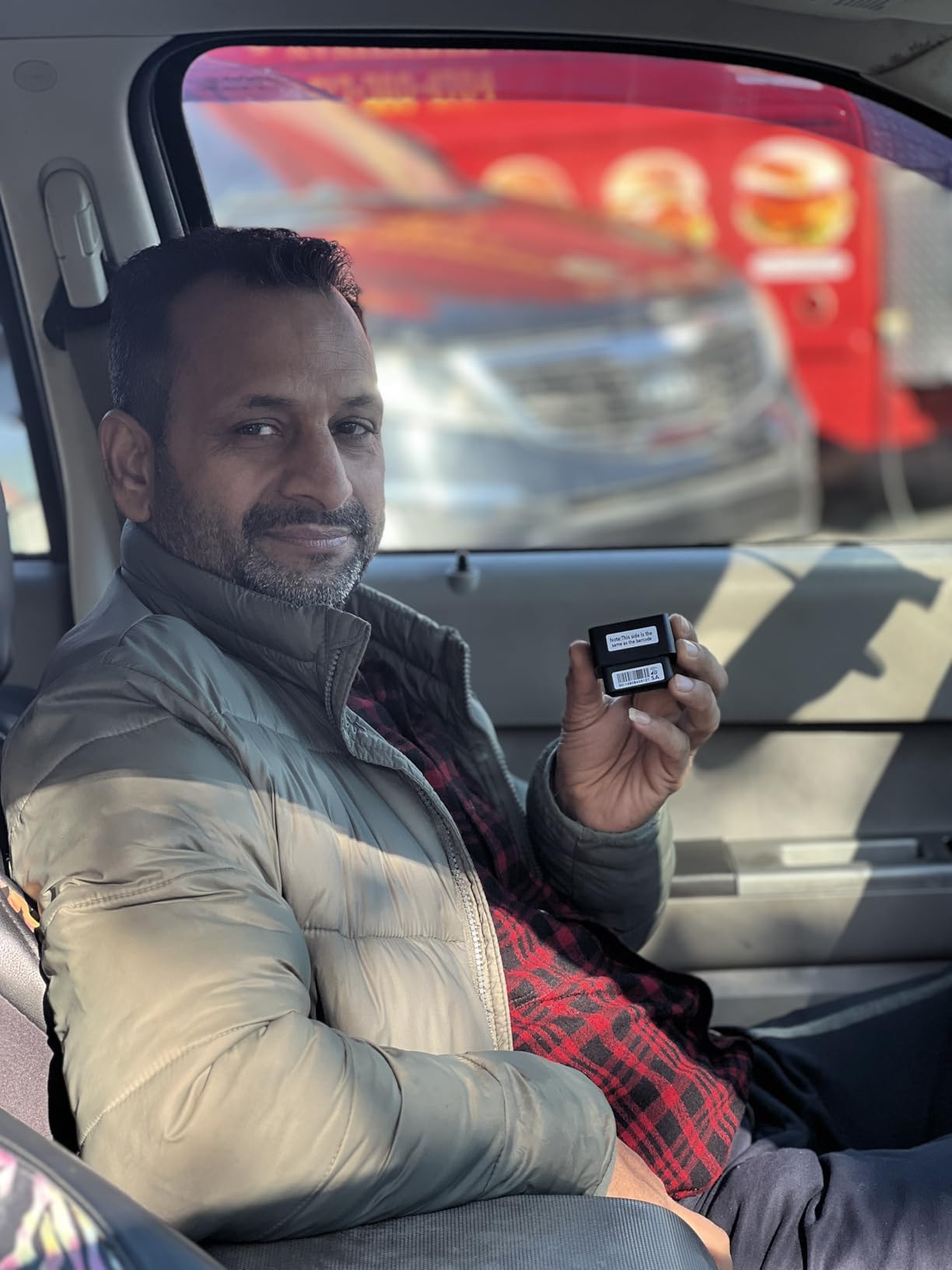
Installation is a plug into the OBD-II port with no wiring, no charging and no battery maintenance, and the whole unit weighs 41 grams. Updates come as fast as every 10 seconds, with speeding, ignition on and off, movement and geofence alerts.
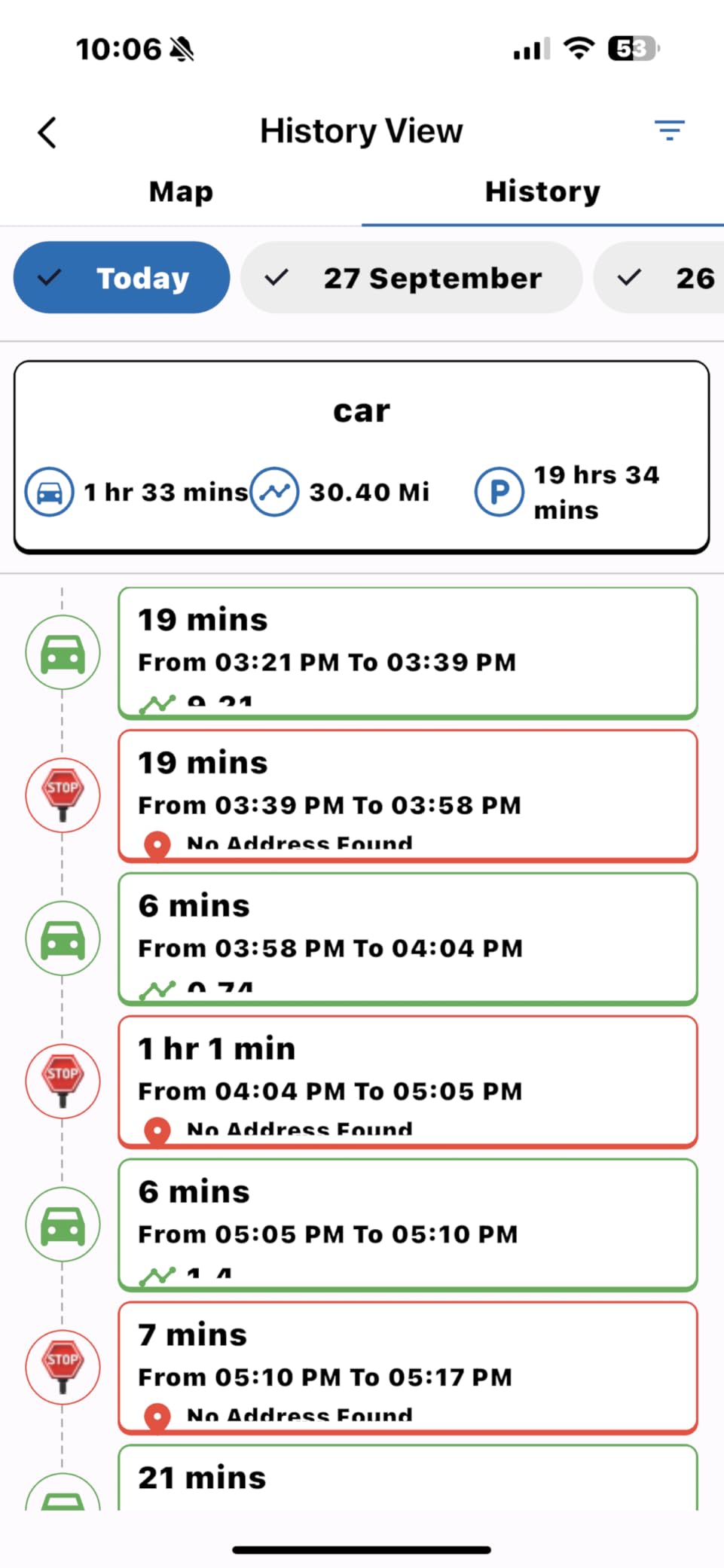
Route history is the part owners like most. You get a year of trips with mileage tracking through the app or a web dashboard, and routes load directly into Google Maps or Google Earth. Trip start and stop times along with beginning and ending mileage are reported, which makes the logs usable rather than decorative.
The app and web dashboard are straightforward, and customer service has been responsive during setup. A lifetime warranty against defects is included.
Updates, heading and speed
Three honest limitations. Some users see positions that jump in set intervals rather than flowing continuously, speed readings can be inaccurate enough to generate implausible overspeed events, and the map has no heading indicator so the arrow always points north regardless of travel direction. For route history, none of that matters much.
Service and cancellation sit outside the US
Customer service operates outside US hours, and owners report difficulty cancelling the subscription once started. Read the plan terms during the free period, note the renewal date, and set a calendar reminder before you are anywhere near a commitment.
How GPS Car Trackers Work and What Actually Matters
Every tracker here does the same three things: it gets a position fix from multiple satellites, sends that position over a cellular network, and pushes it to an app or web portal. The parts that differ are power source, install method, update interval and what the service costs after the purchase. Focus on those four and the marketing language stops mattering.
Four installation types, ranked by how hard they are to remove
OBD-II plug-in is the easiest to fit and the easiest to defeat. It draws power from the car, needs no charging, and reports live while driving, but it sits under the dashboard where any driver or thief can pull it out in seconds. Good for teen drivers, company cars and everyday theft awareness. The Bouncie, SpyTec, Benbengo OBD and GPSCOTECH units all work this way.
Magnetic and battery-powered units hide under the chassis or inside a bumper cavity where nobody looks, and they follow the car even if it is towed rather than driven. The cost is a battery you must remember and a subscription that keeps the data flowing. The LandAirSea 54, Tracki Pro, Cube Pro and Benbengo magnetic trackers sit here.
Hardwired installs draw constant power, so there is no charging routine and no battery to fail. The Rewire DB2-4G and CarLock both do this, and the CarLock adds battery health monitoring. It takes a wiring job unless you are comfortable with two wires and a relay.
Portable asset trackers share hardware with the magnetic group but are used on trailers, RVs, boats and equipment. The deciding spec is battery capacity. The Cube Pro and Tracki Pro are the two here built for that, with multi-month runtimes per charge. If what you actually need to follow is an animal rather than a vehicle, our guide to the best dog GPS trackers for large dogs covers the collar-mounted options.
Subscription versus no subscription: the honest comparison
Owners in r/askcarguys and r/cars repeatedly raise the same frustration. Monthly plans in the 15 to 25 dollar range add up to a few hundred dollars a year, which starts to exceed the value of the vehicle in some cases. Every tracker except the VITALGLOW requires a plan, and most require one to activate at all.
Three honest points sit underneath the “no monthly fee” marketing. First, bundled-service trackers often include one to three years of data and then stop, so a subscription resurfaces later anyway. Second, the monthly rate is usually much higher than the annual equivalent, and switching to annual is the single biggest saving available. Third, several trackers offer a genuine trial, which is worth using: the Rewire DB2-4G has 7 days, the Benbengo units have 5 days, and GPSCOTECH includes three months of service.
If you want zero recurring cost and nothing else, the VITALGLOW is the only tracker in this roundup built that way.
Update frequency: how much is enough
Numbers range from one second on the SpyTec to 10 minutes on the Cube Pro in its most frugal mode, and the difference matters far less than buyers think. Below 30 seconds, you are watching a car move. At 30 to 60 seconds, you are confirming a location. At 10 minutes, you are checking in on a parked asset. For theft recovery, a geofence alert followed by a one-minute interval is enough. For following a vehicle, anything under 30 seconds helps.
Watch battery cost alongside it. Live tracking mode drains batteries several times faster than interval logging, which is why the Cube Pro and Tracki Pro both let you change intervals from the app as the situation changes.
Cellular coverage decides whether any of this works
Trackers run on major cellular networks, and coverage is a property of your location, not the device. Two things matter: which carriers the SIM works on, and what happens in the places you actually park. Several owners report skipped updates and stalled positions in weak-signal areas. North American coverage is broadly fine, while international reach varies widely. The Tracki Pro works in more than 185 countries, the VITALGLOW lists more than 170 regions, and the CarLock is limited to the USA and Canada.
AirTag versus a real GPS tracker
An AirTag and a GPS tracker solve different problems. An AirTag costs nothing to run and needs no subscription, but it reports through Bluetooth using nearby phones, so the position you see may be minutes or hours old and it depends on people walking past your car. It also triggers an unknown-tracker alert on iPhones, which defeats covert use.
A GPS tracker talks to satellites and a cellular network directly, so it works with nobody nearby, and it hides under the chassis where a thief will not find it. The price for that reliability is a battery to manage or a wiring job, plus a service plan on most models. If you already use AirTags for keys and bags, keep using them there and put a real tracker on the car. Wrist and fitness tracking is a different category again, covered in our guides to the best fitness trackers for women and the best sleep trackers for adults.
Geofencing, alerts and what they cost you in false positives
Geofencing draws a virtual boundary and tells you when the vehicle crosses it. It is the single most useful alert on any tracker, because it turns a passive device into an active alarm. Set a geofence around your home and your workplace first, then add a radius around any school or area you care about.
Every alert type has a false-positive mode. Vibration-based parked detection misreads short stops on the Benbengo magnetic. Speeding thresholds with no tolerance setting flood you with alerts on the Benbengo OBD. Light on a magnet can trigger false removal alerts. A battery alert with a quiet tone goes unheard, which is the VITALGLOW complaint. Tune the alerts you keep and turn off the ones that cry wolf.
Where to Hide a Tracker and How to Test It Before You Need It
Do thieves look for trackers? Some do, and the obvious places are the obvious ones. Anyone who knows the vehicle has a tracker will check for anything plugged into the OBD-II port, look for a device wired behind a panel, and check the underside near the frame rails. Most thieves are working in minutes, not hours, and a device that requires tools to remove is usually enough to discourage them.
Placement that balances signal and concealment
Inside a wheel well or bumper cavity keeps the unit away from curious eyes while retaining a clear view of the sky for satellite fixes. Metal and plastic bumper liners usually hide a small puck well. Watch for splash and road salt.
Against a frame rail or chassis member gives you solid steel to magnet against with a clear sky view. Check the magnet rating, not the marketing superlative: the Cube Pro and Benbengo magnetic units are repeatedly praised by owners for staying attached over rough roads.
Under the seat or behind a trim panel works for wired units where a professional can route the wiring out of sight. This is where the CarLock and Trackhawk VL03 belong, and where an exposed OBD plug definitely does not.
Inside the OBD-II port is correct exactly when the person driving the car is not a thief. It is the correct answer for teen drivers, employees and anyone monitoring a vehicle that stays in the hands of people who have nothing to gain from stealing it.
A five-step test run before you need the tracker
Uncertainty about whether a tracker is actually live is one of the most common worries in owner discussions, and it costs nothing to remove. Drive ten minutes and confirm the position updates move with the car rather than sitting at home. Set a geofence somewhere you are about to drive through and confirm the notification tone wakes you. Check that the app sends alerts when your phone is locked and, for wired units, when it is muted. Confirm the vehicle appears on both the phone app and the web dashboard. Then switch to a monthly or annual plan if you are happy, and set the renewal date in your calendar before you forget it.
What to do if the tracker is found or removed
Treat it as a loss of signal, not a loss of the trail. Log into your account from a different device and check the last known position and the time it stopped reporting. If a hardwired unit reports a power disconnection or a plug-in unit reports an unplug event, you have the exact moment it was removed. That timestamp, handed to police with the location history, is the useful part. File the report promptly, give them the account login, and check whether your insurer requires a police report number before a claim. After recovery, treat the device as compromised and replace it rather than re-enrolling it.
Frequently Asked Questions
What is the best GPS tracker device for cars?
The best GPS tracker for cars depends on where the car lives. For most drivers the LandAirSea 54 is the strongest all-round choice, with a magnetic waterproof body and location updates as fast as every three seconds. If you never want to charge a device again, the Bouncie plugs into the OBD-II port and reports about every 15 seconds while driving. Trailers and RVs suit the Tracki Pro for its multi-month battery.
What is the best way to track a car without a subscription?
Buy a tracker with no recurring service fee. The VITALGLOW OBD tracker is the only option in this roundup with no subscription, activation or hidden fees at all, and its hardwired variants never need charging. If you prefer not to pay but still want flexibility, look for a tracker with a genuine trial period, such as the Rewire DB2-4G with seven days or the GPSCOTECH with three months of included service.
Which is better, AirTag or GPS tracker?
For a car, a real GPS tracker wins. An AirTag reports through Bluetooth using nearby phones, so the position you see may be hours old and it needs people nearby. It also sends an unknown-tracker alert to nearby iPhones, which defeats covert use. A GPS tracker uses satellites and a cellular network directly, so it works with nobody around, hides under the chassis, and adds geofence and tamper alerts. AirTags remain better for keys, bags and luggage.
What is the best GPS tracker to put on a vehicle?
For a car, an OBD-II plug-in tracker such as the Bouncie is easiest and needs no charging. For anything hidden, a magnetic tracker like the LandAirSea 54 goes under the chassis near a frame rail with a clear view of the sky. For trailers, boats and equipment, a long-battery unit such as the Cube Pro or Tracki Pro runs for months per charge. Hardwired models suit permanent installs where a professional can hide the wiring.
Do car thieves look for trackers?
Some do, but they look in predictable places first. The obvious spot is the OBD-II port under the dashboard, followed by anything wired behind a trim panel and then the underside near the frame rails. Most thieves are working in minutes rather than hours, so a device hidden out of those locations, or one that requires tools to remove, is usually enough deterrent on its own.
Do GPS trackers drain the car battery?
Plug-in and hardwired trackers draw a small current continuously, so a healthy car battery normally absorbs it without trouble. The risk appears on long parked periods with an ageing battery, where a few milliamps over weeks can leave you unable to start. Wired units such as the CarLock and Rewire DB2-4G can alert you to low battery and abnormal drain, and magnetic trackers avoid the issue entirely because they use their own battery.
Which GPS Tracker Should You Buy?
For most car owners, the LandAirSea 54 is the pick. It is the most reviewed tracker we looked at, it hides under the chassis in a waterproof magnetic body, and its three-second updates plus a year of playback give you everything needed for theft recovery without a wiring job. Budget for an annual service plan rather than monthly, which is where most of the owner complaints go away.
If you want zero maintenance, go with the Bouncie instead. It never needs charging, reads your engine diagnostics while it tracks, and its 15-second updates and geo-fence alerts handle a teen driver or a company car well. If you are tracking something that sits unused for long stretches, the Tracki Pro or Cube Pro will run for months between charges.
And if the monthly bill is the thing that stops you, the VITALGLOW is the one to buy in 2026: no subscription, no activation fee, hardwired variants that never need charging. Whichever route you take, run a ten-minute test drive before you close the app, and set your renewal reminder the day the plan starts.