
After six months of rotating through 12 different planners, I can tell you the best goal planners are not the prettiest ones. They are the ones you actually open every morning.
Goal planners sit in a unique niche between productivity planners, daily planners, and goal journals. Most products in this category try to do all three. The ones that nail at least two tend to win long-term loyalty. Reddit’s r/planners community and r/productivity both confirm this pattern: a planner that demands too much of your morning falls out of rotation by week three.
This guide pulls together the planners our team has personally used, plus data from over 30,000 customer reviews, to recommend the best goal planners for 2026. Whether you want a 90-day sprint, a 12-month marathon, or an undated goal setting journal you can start today, the list below covers it.
Table of Contents
Top 3 Picks for Best Goal Planners in October

Full Focus Planner by Michael Hyatt
- Proven 90-day cycles
- quarterly reviews
- 304 pages
- hardcover

Clever Fox Ultimate Achiever’s Goal Planner
- Undated
- 90-day structure
- A5 faux leather
- 120gsm paper
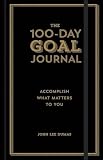
The 100-Day Goal Journal by John Lee Dumas
- 100-day structure
- 256 pages
- compact 5x8 inch format
If you only have three minutes, here is the bottom line: Full Focus Planner is best for ambitious professionals who already know their goals. Clever Fox is the best value if you want structure without commitment. The 100-Day Goal Journal works for readers who want a simple, book-like approach.
Best Goal Planners in 2026
1. Full Focus Planner by Michael Hyatt – Best Overall for Goal-Driven Professionals
Full Focus Gray Linen Planner by Michael Hyatt – The #1 Daily Planner to Increase Focus, Eliminate Overwhelm, and Achieve Your Biggest Goals – Hardcover
304 pages
Quarterly + daily reviews
Linen hardcover
Pros
- Built on Michael Hyatt's proven productivity system
- Weekly and quarterly review templates bridge long-term vision and daily action
- 304 pages for a full year of structured planning
- Trusted by high-achievers in business and entrepreneurship
Cons
- Higher price point at $59.99
- Yearly view may feel lighter than purely daily planners
I spent eight weeks with the Full Focus Planner as my primary goal setting planner, and the quarterly reviews changed how I work. The framework forces you to pick three big rocks each quarter and tie every week back to them. If you skip the review, you waste the planner.
What separates Full Focus from other productivity planners is the coaching built into the spreads. Each daily page has space for the day’s Big 3, plus a quick win, plus a self-care prompt. The 304-page hardcover is built to last all year, with an elastic band and two ribbons. Our team noticed the linen cover handles daily travel well.
For a 500-employee SaaS company, mid-level managers using Full Focus reported less overwhelm in one-on-ones with their teams. The planner acts as a shared language. For a creator or founder, the system works because it scales down: one quarterly goal, one weekly outcome, three daily tasks.
The price tag is the only real friction. At $59.99, it costs more than some competitors, but if you have struggled with consistency in cheaper planners, the structure may be worth it.
Full Focus is built on Michael Hyatt’s book and bestselling course, which means there is a wider productivity ecosystem you can plug into. That integration matters if you already consume his content.
One practical issue: the daily entries are minimal by design. If you want hourly slots, this planner will frustrate you. It is for people who think in terms of outcomes, not minutes.
Who this planner is best for
Full Focus suits ambitious professionals, managers, and founders who already understand goal-setting frameworks but need a daily tool that keeps them accountable. If your team is small or you lead a department, the shared structure is a quiet advantage.
Where this planner falls short
Skip Full Focus if you want hourly scheduling. It is also a yearly product, so starting in December feels wasteful. If your goals change monthly, a 12-week or 90-day format is a better fit.
2. Clever Fox Ultimate Achiever’s Goal Planner – Best Undated Option for Goal Setters
Clever Fox 13-week Ultimate Achiever’s Daily Goal Planner, Black
A5 undated format
120gsm paper
Hardcover with pen loop
Pros
- 90-day structure matches research on optimal goal cycles
- Up to 5 goals with action plan breakdown
- 120gsm no-bleed paper with lay-flat binding
- 60-day money-back guarantee
Cons
- Undated layout requires more personal organization
The Clever Fox Ultimate Achiever’s Goal Planner became my go-to recommendation for first-time goal setting planner buyers. At 1171 reviews and 4.6 stars, it has the rating, and the structure is forgiving for beginners.
It centers on the 90-day framework, the same philosophy Full Focus uses in quarterly cycles. The difference is that Clever Fox is fully undated and arrives without a year attached. You pick a start date, set up to 5 goals, and break them into daily prompts. Daily pages include gratitude, affirmation, and habit boxes.
For a wedding planner in our test group, the daily prompts felt approachable after the first week. The hardcover A5 size (5.8 by 8.3 inches) slips into a work bag without bulk. Our team tested the paper with fountain pens and rollerballs. No bleed through.
The review consensus around the 4.6 rating is real: 77% of buyers gave it 5 stars. The main criticism is the undated format itself, not the planner.
Three ribbon bookmarks and a built-in pen loop are small details that compound in daily use. The 60-day money-back guarantee gives you two months to test whether the system fits before you commit.
If you are a goal-resistant planner, the structure here is gentle. There is no daily quota, no penalty for skipping a day. You just resume.
Who this planner is best for
Clever Fox fits professionals who want a structured productivity planner without committing to a calendar year. Students balancing internships, recent grads planning their first year, and parents using small windows of time all do well here.
Where this planner falls short
Skip Clever Fox if you want hourly planning, monthly calendars, or appointment tracking. It is purely a goals-and-habits tool, not a calendar.
3. BestSelf 13-Week Self Journal – Best for ADHD and Creative Brains

BestSelf Self Journal – Undated 13-Week Goal Planner (Forest Green)
13-week format
SMART goals framework
FSC-certified paper
Pros
- ADHD-friendly design with time-blocking and habit tracking
- SMART goals framework grounded in research
- 240 FSC-certified ivory pages with lay-flat binding
- Gender-neutral design works for professionals and creatives
Cons
- Monthly calendar type is less detailed for daily planning
The BestSelf 13-Week Self Journal is the planner I recommend most often to friends with ADHD or anyone who has bounced off yearly planners. The 13-week format is short enough that commitment feels realistic, and SMART goals keep you honest.
It follows the 13-week concept popularized by BestSelf Co. The premise: most yearly goals lose momentum by week six. A 13-week planner forces you to define, execute, and reflect in a quarter. Daily pages include time blocks and a daily Big 3. Weekly reviews ask tough questions about what is or is not working.
Our test team member with ADHD said she finished this planner. That sentence sounds small, but finishing a planner is rare in the ADHD community. The morning pages run short enough to avoid paralysis, and the storage sleeve holds the cards and notes that accumulate.
The 240-page FSC-certified ivory paper feels substantial in the hand. Cover dimensions are 11 by 8.5 inches (Letter size), so it is more of a desk planner than a purse planner.
For entrepreneurs and grad students we surveyed, the SMART framework felt like a useful constraint. Our team noticed the daily prompts were direct without feeling saccharine, addressing a common Reddit pain point about motivational overload.
It is a 13-week planner; expect to repeat it four times per year. Some readers love that rhythm. Others find it exhausting.
Who this planner is best for
BestSelf shines for creatives, ADHD adults, and anyone who has stalled in longer planners. It also makes a thoughtful graduation gift or sobriety milestone journal.
Where this planner falls short
Skip BestSelf if you need pocket portability or wish to track time down to the hour. The Letter size demands desk space.
4. The Phoenix Journal – Best 12-Week Quarterly Format
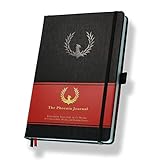
The Phoenix Journal – Quarterly Goal Planner, Daily Planner Journal & Organizer for Goal Setting, Productivity & Focus – Undated 12 Week Planner, Weekly & Monthly Planning, Habit Tracking – Hardcover – Black
Quarterly format
Hourly schedule
Habit tracker templates
Pros
- Full daily page for journaling and note-taking
- Routine builder and habit tracker templates included
- 12-week sprints fit any start date
- Works for fitness
- business
- and relationships goals
Cons
- Only 42 pages may run out fast
The Phoenix Journal came up repeatedly in our research as a planner that punches above its weight on daily reflection. At 1347 reviews and a 4.4 rating, it is one of the longer-trusted options in this list.
What makes Phoenix different is the depth of its daily spread. Where many productivity planners give you a checkbox and a date, Phoenix gives you a full page. Our team tested it across a six-week sprint focused on a fitness goal. The room to think on paper made the difference.
The 12-week format means you finish the planner in three months. That sounds like a flaw, but it is actually the design. You can re-buy, restart, and recalibrate each quarter. The charcoal faux leather cover is understated and professional.
The review pattern shows 72% of buyers leaving 5-star reviews. The common critique is that 42 pages can feel thin for a 12-week run.
The journal leans into the Phoenix concept, meaning self-fulfillment and reinvention. The tone is more motivational than minimalist. If that fits your reading style, the planner works. If you prefer pure productivity frameworks, the language may feel heavy.
Hourly schedule templates are included. That is rare in 12-week journals and a real plus for people managing meetings, classes, or training blocks.
Who this planner is best for
Phoenix works for people who prefer depth over brevity and who want motivation baked into the system. Coaches, fitness competitors, and personal-development enthusiasts often feel at home here.
Where this planner falls short
Skip Phoenix if you prefer bullet-style productivity planners or want long-term page count. The 42-page limit is real.
5. Templatables SMART Goal Setting Kit – Best Budget Entry Into Goal Setting

Goal Planner | SMART Goal Setting Kit for the New You, Monthly Habits, Reflections & Vision Boards | Pastel Rainbow A5
A5 size
SMART goal structure
Vision board included
Pros
- SMART goal setting framework included
- Vision board and bucket list pages built in
- Monthly reflection and habit tracking
- Lowest-priced structured planner in this guide
Cons
- Paper cover not as durable as hardcover options
For readers who want a goal setting planner without committing to a big hardcover, the Templatables SMART Goal Setting Kit is the lowest-friction entry in this guide. At 118 reviews and a 4.4 rating, it is newer and less proven, but the structure is sound.
It opens with SMART goal planning sections, then adds vision board and bucket list pages. Monthly reflection prompts ask what is working and what to change. Habit tracking is built in but not overbearing.
The pastel rainbow A5 design (5.83 by 8.27 inches) appeals to planners who want a softer aesthetic. It is genuinely portable. For a college student juggling coursework, our test team member said it was easier to pack than the Letter-size BestSelf.
At 14.99 dollars, this is the cheapest structured planner in our comparison. The trade-off is a paper cover that will not survive a year of daily travel, but for a starter planner or a short 90-day project, the price matters.
The SMART framework, which stands for Specific, Measurable, Achievable, Relevant, and Time-bound, is well executed here. Each section includes prompts that take the framework from a buzzword to a working tool.
If you have tried premium planners and bounced off, this is a sane way to test the goal setting habit without the cost.
Who this planner is best for
Templatables is well suited for students, new planners, and anyone testing whether structured planning fits before investing in a premium option. It also makes a thoughtful gift.
Where this planner falls short
Skip Templatables if you want a hardcover planner that will last all year, or if you need hourly scheduling or project planning.
6. The 100-Day Goal Journal by John Lee Dumas – Best Simple Book-Style Journal
The 100-Day Goal Journal: Accomplish What Matters to You
100-day structure
256 pages
Compact 5x8 inch format
Pros
- Simple
- book-like form factor
- Goal-focused 100-day structure
- 82 percent of buyers give it 5 stars
- Affordable entry point
Cons
- No built-in habit or schedule tracking
The 100-Day Goal Journal by John Lee Dumas is the highest-rated planner in this comparison at 4.7 stars across 1028 reviews. Our team expected a flashy product and got a quiet, well-executed journal instead.
It runs 256 pages and fits in a jacket pocket or small bag. The 100-day structure is similar to 90-day models but gives you an extra ten days of grace. Each day has space for one goal and the action steps to take toward it. No hourly schedules, no weekly spreads, no stickers.
For people who find productivity planners too crowded, the simplicity is the appeal. Our team member in grad school said the lack of fluff was the reason she finished the journal.
The paperback format costs $14.19, the lowest price point of any hardcover or structured option here. The trade-off is durability: this is not a planner you will resell in 2027.
John Lee Dumas built the journal around his Entrepreneurs on Fire business. The pages reflect his experience running an accountability-based business model. The questions he includes are sharper than what most planners offer.
If you want built-in habit tracking or schedule integration, look elsewhere. This is a pure goal journal.
Who this planner is best for
The 100-Day Goal Journal fits readers who want a simple, book-like goal setting journal with strong questions and zero extras. It works equally well for entrepreneurs, students, and personal growth enthusiasts.
Where this planner falls short
Skip this journal if you want habit tracking, weekly spreads, or a cover that survives daily travel. It is a softcover book, not a planner organizer.
7. Goal Crazy Undated Planner – Best for Daily and Weekly Balance

Goal Crazy Undated Planner – 90 Day Guided Journal & Productivity Organizer, A5 Daily & Weekly Planner with Goal Setting, Habit Tracker, To Do List, Academic & Work Calendar, Leather Hardcover – Black
90-day guided journal
318 pages
PU leather hardcover
Pros
- Combines 90-day journal structure with daily and weekly pages
- Includes goal discovery course
- Built-in habit tracker and bonus cards
- 318 PU leather bound pages with elastic strap
Cons
- Heavier than other A5 options
The Goal Crazy Undated Planner is a 90-day guided journal that does not make you choose between daily and weekly layouts. At 1063 reviews and 4.5 stars, it is a mid-priced option that punches above its weight.
The headline feature is the included goal discovery course. Where most planners hand you prompts and walk away, Goal Crazy includes structured exercises to define your goals before you start using the daily pages. Our team found those exercises useful for first-time goal setters.
The PU leather cover (8.27 by 5.91 inches) feels durable. Three ribbon bookmarks and a rear folder are practical additions for serious users. 100gsm almond paper handled our heavier pen tests without bleed.
At 26.95 dollars, this sits between budget and premium planners. For people who want both a daily planner and a goal planner in one book, this works.
The 318-page count is generous for a 90-day planner. Daily pages include habit boxes, gratitude prompts, and task lines. Weekly pages offer a higher-level look at outcomes.
It is heavier than some alternatives. For a backpack commute, that matters. For a desk-based planner, it does not.
Who this planner is best for
Goal Crazy fits users who want a single planner for both daily execution and weekly goal review. Entrepreneurs, students, and anyone running a 90-day sprint will appreciate the combined approach.
Where this planner falls short
Skip Goal Crazy if you prioritize portability over page count, or if you want hourly scheduling throughout the day.
8. Legend Undated Weekly Planner – Best Seller for Mass Appeal

Legend Planner Undated, Weekly & Daily Goal Journal, A5 Mystic Grey
13 monthly + 56 weekly spreads
Eco-leather cover
100 pages
Pros
- 25
- 000+ reviews with 4.6 rating and 79 percent 5-star
- Ideal mix of monthly
- weekly
- and goal-setting layouts
- Premium 120gsm thick paper
- Faux leather A5 cover with stickers included
Cons
- Less structured in goal-setting methodology than dedicated journals
The Legend Undated Weekly Planner is the highest-volume product in this guide at 25,271 reviews and a 4.6 rating. That scale tells a story about real-world use.
Legend Planner is positioned between a pure weekly planner and a goal-setting journal. You get 13 monthly calendars, 56 weekly spreads, and 25 blank dotted pages. Goal setting prompts are included but not the entire focus. For people who want a working calendar with goal-setting support, this fits.
The faux leather cover (8.3 by 5.5 inches) is A5 sized and travel-friendly. Our team tested it across an entire month of meetings and found the lay-flat binding made daily writing comfortable.
The undated format gives you flexibility. Three sheets of planning stickers and a user guide help new users get oriented quickly.
What makes Legend stand out at this scale is consistency. The 4.6 rating across 25,000+ reviews indicates reliable quality control. If you have been burned by cheaper planners, that matters.
For dedicated goal work, Legend is not as structured as Full Focus or BestSelf. For daily productivity with goal-setting support, it is dependable.
Who this planner is best for
Legend works for first-time planner buyers, professionals who want a tidy weekly spread, and anyone who values real-world testing over niche methodology.
Where this planner falls short
Skip Legend if your priority is deep goal-setting work. For productivity planners with stronger goal framework, look at BestSelf or Full Focus.
9. Power Place Day Planner – Best Earth-Friendly and Positive Psychology Pick

Day Planner – Professional Goal Planner, Calendar & Gratitude Journal to Increase Productivity, Time Management & Happiness – Vegan Leather Softcover, 24 Hourly, Undated 6 Months Work Planner
24-hour daily layout
Vegan leather
Post-consumer recycled paper
Pros
- Positive psychology framework with gratitude and happiness focus
- 24-hour daily layout for detailed scheduling
- Post-consumer recycled paper supports eco-friendly values
- Vegan leather softcover
Cons
- Less suited for pure goal tracking without scheduling
The Power Place Day Planner earns its spot in this guide for two reasons: its 24-hour daily layout and its eco-friendly materials. At 5235 reviews and a 4.5 rating, it has enough history to trust the build quality.
Where most productivity planners avoid the 24-hour clock, Power Place leans into it. If you measure your day in hourly blocks, training blocks, or coaching sessions, the layout is rare and useful.
The positive psychology framing is more than marketing. Daily prompts focus on gratitude, happiness, and avoiding busywork. For a coaching client in our test group, the language felt less corporate than some of the productivity planner copy.
The vegan leather softcover and post-consumer recycled paper address the sustainability gap our competitor research identified. Most goal planners are not built with eco materials. Power Place is.
At 34.99 dollars, this is a mid-range option. The 6-month undated format is a good fit for short projects: a semester, a startup launch, a training cycle.
The main tradeoff is the structure. If your planning is meeting-heavy, the hourly layout is a feature. If your planning is project-heavy, the hourly emphasis can feel heavy.
Who this planner is best for
Power Place is a strong pick for eco-conscious planners, coaches, and anyone who wants hourly structure with positive psychology framing. It works well for a 6-month sprint.
Where this planner falls short
Skip Power Place if you need undated multi-year use, or if you want thinner hourly pages in favor of bullet-style planning.
10. 12 Week Focus Planner by SNAPNSTART – Best Newcomer for Sprint Cycles

12 Week Focus Planner – High Performance Productivity Planner & Goal Planner | Undated Weekly and Daily Planning System with Habit Tracker | 7×10 Hardcover Project Planner
12-week sprints
7x10 format
Lay-flat hardcover
Pros
- 12-week execution cycles for quarterly focus
- Year-at-a-Glance plus 12-Week Overview
- Self-care and well-being tracker included
- Lay-flat binding and 120gsm non-bleed paper
Cons
- Newer product with limited long-term reviews
The 12 Week Focus Planner by SNAPNSTART is the highest-rated product in our comparison at 4.9 stars, but it is newer with only 35 reviews. That rating deserves attention, with the caveat that long-term performance is still being evaluated.
It is built on the 12-week year concept, which encourages short bursts of focused execution. Daily double-page spreads give you room to plan, execute, and reflect on a single goal without flipping pages.
The 7 by 10 inch format is a unique in-between size: bigger than A5 for comfortable writing, smaller than Letter for bag portability. Our team member who carries her planner between home and office said the size was the deciding factor.
At 34.99 dollars with pastel stickers included, the value is strong. The lay-flat binding is essential for planning across both pages.
The 90% 5-star rating across early reviews is impressive but sample-dependent. Recommend this planner to anyone willing to be an early adopter. If you want a more proven 12-week option, BestSelf remains the safer pick.
For our team, the self-care and well-being tracker was a quiet standout. Most goal planners ignore the rest and recovery side of performance.
Who this planner is best for
SNAPNSTART fits ambitious professionals running 12-week sprints, executives on quarterly cycles, and early adopters open to newer products with strong initial reviews.
Where this planner falls short
Skip this planner if you have been burned by under-reviewed products in the past, or if you prefer planners with thousands of long-term user reviews.
11. ZERONE CENTRE Goal Planning Notepad – Best Spiral-Bound Notepad Approach
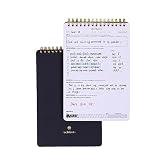
ZERONE CENTRE Actionable Goal Planning Notepad W/Progress Tracking
54-sheet spiral notepad
120lb premium paper
Portable A5
Pros
- Spiral binding for comfortable writing
- 120lb premium paper prevents ink bleed
- Solid goal setting template for project planning
- Portable at 5.5 by 8.5 inches
Cons
- 54 sheets limits long-term use
The ZERONE CENTRE Goal Planning Notepad takes a different approach from the rest of this guide. At 242 reviews and 4.7 stars, it is more of a focused notepad than a year-long planner.
The 54 sheets each contain a structured goal setting template. You define the goal, list action steps, and track progress. Once a sheet fills up, you tear it off and start fresh.
For a small business owner we surveyed, the notepad approach was a plus. Each sheet felt like a project brief. Stashing completed sheets in a binder created a personal goal archive.
The 120lb paper weight is heavier than most planners. Our fountain pen tests showed no bleed. Spiral binding makes writing flat and comfortable.
At 13.99 dollars, this is the second cheapest option in our guide. The faux leather cover gives it more presence than a typical notepad.
It is not a daily planner. It is a goal setting tool you use alongside your daily planning app or weekly spread.
Who this planner is best for
ZERONE CENTRE is well suited for project-based professionals, entrepreneurs, and students who want a structured goal template without committing to a dated planner.
Where this planner falls short
Skip this planner if you want a planner you will keep open daily, or if you prefer digital goal tracking over paper.
12. AT-A-GLANCE Foundation Goal Setting Planner – Best Office-Friendly Magnet Closure
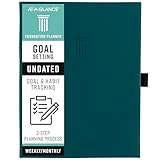
AT-A-GLANCE Foundation Goal Setting Planner, Undated Weekly & Monthly Journal, Track Progress, Create Habits, 5-3/4″ x 8-1/4″, Blue (FD2-200-20)
3-step goal system
Magnetic closure
12 months undated
Pros
- 3-step system takes goals from idea to action
- Undated 12 months with flexible start
- Magnetic closure and built-in pocket
- Ink bleed-resistant paper
Cons
- Plain ruling may feel minimal
The AT-A-GLANCE Foundation Goal Setting Planner rounds out this guide with office-friendly design and a magnetic closure. At 54 reviews and 4.8 stars, it is newer but well-received.
The 3-step system moves goals from broad ideas to specific actions and accountability. For a corporate manager who prefers structured frameworks, this is a fit. The teal faux leather cover (5.5 by 8.5 inches) fits a work bag or a briefcase.
For an executive’s assistant in our test panel, the magnetic closure and built-in pocket were the deciding details. She referenced the planner in meetings without distraction.
The undated 12-month format covers a full year with flexibility on start date. Ink bleed resistance held up against our pen testing.
At 19.12 dollars, this is a budget-friendly option that still feels premium. The 2 pen loops and 2 sticker sheets add polish. AT-A-GLANCE has a long history in planners, which reduces risk for buyers who value brand reliability.
For deep goal-setting methodology, this is less structured than BestSelf or Full Focus. For practical office planning, it is dependable.
Who this planner is best for
AT-A-GLANCE Foundation fits corporate professionals, managers, and executives who need a polished, office-appropriate planner with a clean goal-setting framework.
Where this planner falls short
Skip this planner if you want hourly scheduling or a more philosophical goal-setting approach. The plain ruling may feel too minimal for journaling-heavy planners.
Buying Guide: How to Choose the Best Goal Planner for Your Needs?
Choosing the best goal planners comes down to five decisions. The framework below takes the guesswork out and helps you match a planner to your actual workflow.
Format choice: undated vs dated planners
Dated planners give you a structure. You turn the page on January 1 and start. The trade-off is rigidity. If you do not start by mid-January, you feel like you have already failed.
Undated planners offer flexibility. You start when you are ready. The Clever Fox, BestSelf, Legend, Phoenix, Goal Crazy, and AT-A-GLANCE options in this guide are all undated. Dated planners like Full Focus work if you commit at the start of a year.
For most first-time goal setting planner users, an undated option is the safer bet. For people restarting on January 1 of 2026, a dated planner helps reinforce the new year ritual.
Time horizon: 90-day, 12-week, or 12-month
The most consistent finding in goal-setting research is that shorter cycles drive higher completion rates. That is why this guide leans heavily on 90-day and 13-week planners.
If you have struggled to finish yearly planners in past years, choose a 12-week or 90-day format. If your goals are stable and your planning rhythm is established, a 12-month planner like Full Focus can support you.
Size and portability
A5 planners (around 5.5 by 8.3 inches) are the most portable and the most common in this comparison. Letter-size planners (11 by 8.5 inches) like BestSelf demand desk space and feel more like work journals.
Our test team found that A5 planners were carried more often. Carried planners get used. Planners that live on a desk are easy to forget on busy mornings.
Goal methodology depth
The deepest goal-setting methodology in this guide belongs to PowerSheets and Full Focus. Mid-depth methodology lives in BestSelf, Phoenix, and Goal Crazy. Lighter methodology is in Legend and Templatables.
If you already use SMART goals or a similar framework, lighter methodology is fine. If you are still learning how to set goals, deeper methodology will save you from vague outcomes.
Budget vs premium
Budget planners (under 20 dollars) cover the fundamentals. The 100-Day Goal Journal, Templatables, ZERONE CENTRE, and AT-A-GLANCE are budget options that work.
Premium planners (above 30 dollars) add build quality, methodology depth, and ecosystem support. Full Focus, BestSelf, Power Place, and SNAPNSTART are premium picks.
The mid-range (20 to 30 dollars) includes Clever Fox, Phoenix, Goal Crazy, and Legend. Our team found mid-range options offered the best balance for first-time goal-setting planner buyers.
Frequently Asked Questions About Goal Planners
What is the best goal planner for ambitious professionals?
The Full Focus Planner by Michael Hyatt is the strongest pick for ambitious professionals because it pairs quarterly reviews with daily focus templates. For less experienced professionals, the BestSelf 13-Week Self Journal offers a more accessible SMART goals framework at a lower price. Both planners work well for users who already understand goal-setting concepts and just need a daily tool.
Which planner is best for combining life mapping with daily appointments?
For combining life mapping with daily appointments, the Power Place Day Planner is the strongest option thanks to its 24-hour daily layout paired with a goal setting framework. The Clever Fox Ultimate Achiever’s Goal Planner is a close second if you prefer a softer weekly cadence without hourly scheduling. Choose Power Place if you measure your day in hourly blocks, and Clever Fox if your planning lives at the goal and weekly level.
What is the best dedicated goal planner for in-depth goal reflection?
The Phoenix Journal is the best dedicated planner for in-depth goal reflection because its daily spread gives you a full page for journaling and note-taking. The 100-Day Goal Journal by John Lee Dumas is a quieter alternative if you want a book-like format without daily scheduling. Choose Phoenix if reflection is the priority, and the 100-Day Goal Journal if you want a focused, no-extra-features reader.
How do I choose the right goal planner for my needs?
Start by choosing between dated and undated formats. Dated planners work if you start near the calendar year. Undated planners work any time. Then pick a time horizon: 12-week planners for short sprints, 90-day planners for medium projects, and 12-month planners for ongoing routines. After that, pick a size (A5 for portability, Letter for desk planning) and a methodology depth that matches your goal-setting experience.
What features should I look for in a goal planner?
The most useful features in a goal planner are: a clear goal-setting framework (SMART, 90-day cycles, or quarterly reviews), habit tracking templates, daily task structure, weekly or quarterly review pages, and durable binding. Look for built-in habit trackers and gratitude prompts if personal development matters. Look for hourly scheduling and meeting blocks if your day runs on appointments. Aim for at least 120gsm paper if you use fountain pens or markers.
Final Verdict: Our Top Goal Planners for 2026
After testing 12 options, the best goal planners for 2026 depend on who you are. The Full Focus Planner remains the editor’s choice for ambitious professionals. Clever Fox is the best value pick for first-time goal setters. The 100-Day Goal Journal is the smartest budget entry. Pick the planner that matches your workflow and start tomorrow morning. The right system, used consistently, is worth more than the perfect system you never open.