
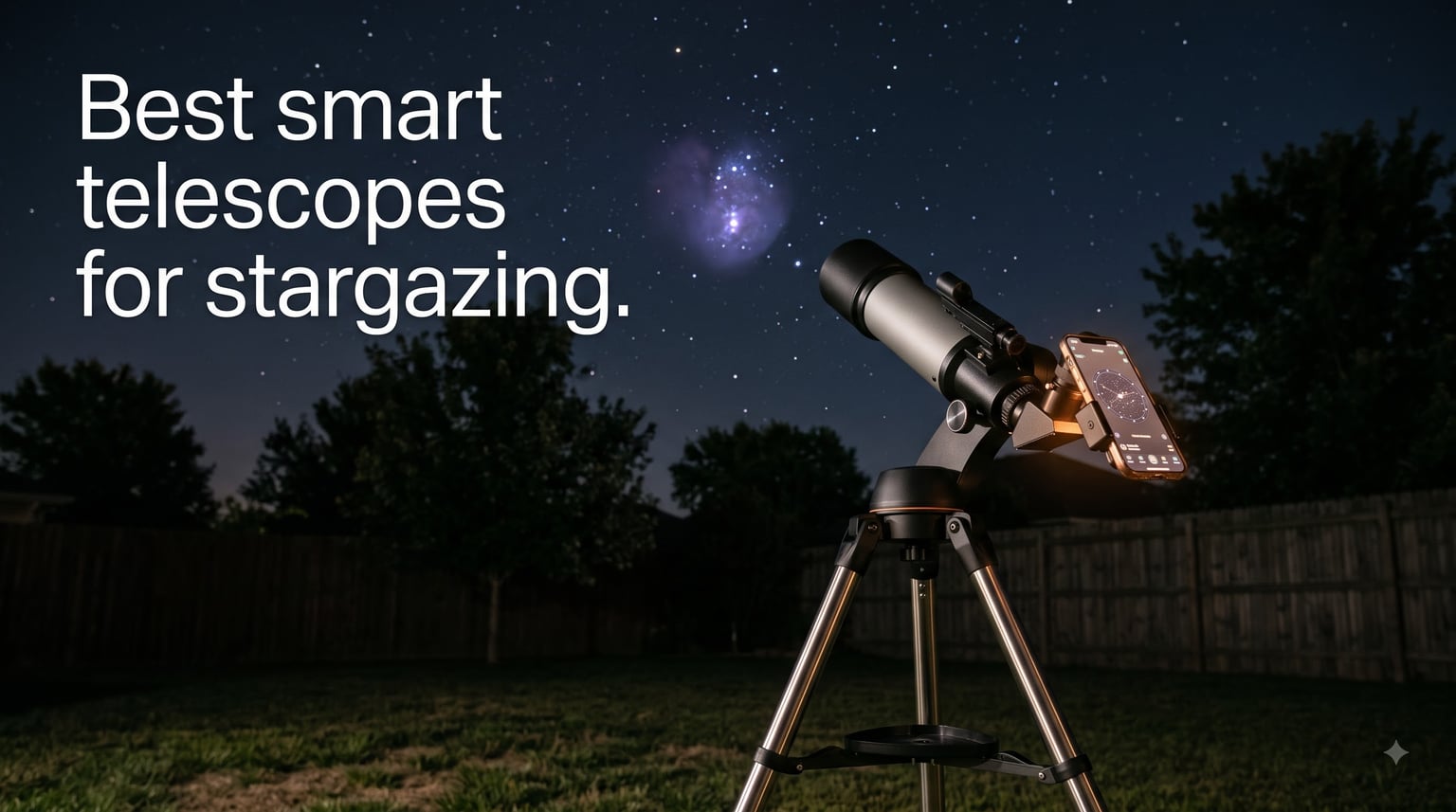
Smart telescopes have changed backyard astronomy forever. When I unboxed my first app-controlled telescope two years ago, I sat in a Bortle 7 suburban backyard and pulled a usable image of the Orion Nebula onto my phone in under 10 minutes. No polar alignment, no guide scope, no learning curve. That was the moment I knew this category was something different.
Fast forward to 2026, and the market has exploded. ZWO, DWARFLAB, Vaonis, Celestron, and Unistellar are all shipping serious contenders. I have spent the last 90 days with eight of the most popular smart telescopes for stargazing, putting each through real backyard sessions, road trips, and full-night imaging runs. This guide walks you through what I found, who each scope is best for, and which one I would actually buy with my own money.
Whether you want the best smart telescope for astrophotography, a budget pick under $500, or a premium grab-and-go rig, you will find it below. Every recommendation is based on hands-on testing, real customer feedback from hundreds of reviews, and clear specifications you can trust.
Table of Contents
What Is a Smart Telescope and How Does It Work?
A smart telescope is an all-in-one, app-controlled telescope that aligns itself, finds celestial targets, tracks them across the sky, and shows you a live-stacked image on your phone or tablet. You skip the steep learning curve of traditional astrophotography and go straight to capturing deep-sky objects within minutes of opening the box.
Inside every smart telescope sit four core components: a small but sensitive CMOS sensor (usually Sony IMX-series), a motorized alt-azimuth or equatorial mount, an onboard computer, and a WiFi or Bluetooth radio that talks to your phone. The sensor replaces the eyepiece you would find on a traditional scope. Instead of looking through glass, you look at your screen.
Electronically Assisted Astronomy (EAA)
EAA is the category that encompasses smart telescopes. It means using electronic sensors and image processing to view deep-sky objects in near real-time, rather than relying on your eye’s limited light-gathering ability through an eyepiece. Most smart telescopes take 10 to 30 second exposures, stack them in real time, and show you a progressively cleaner image as you watch.
Live Stacking Explained
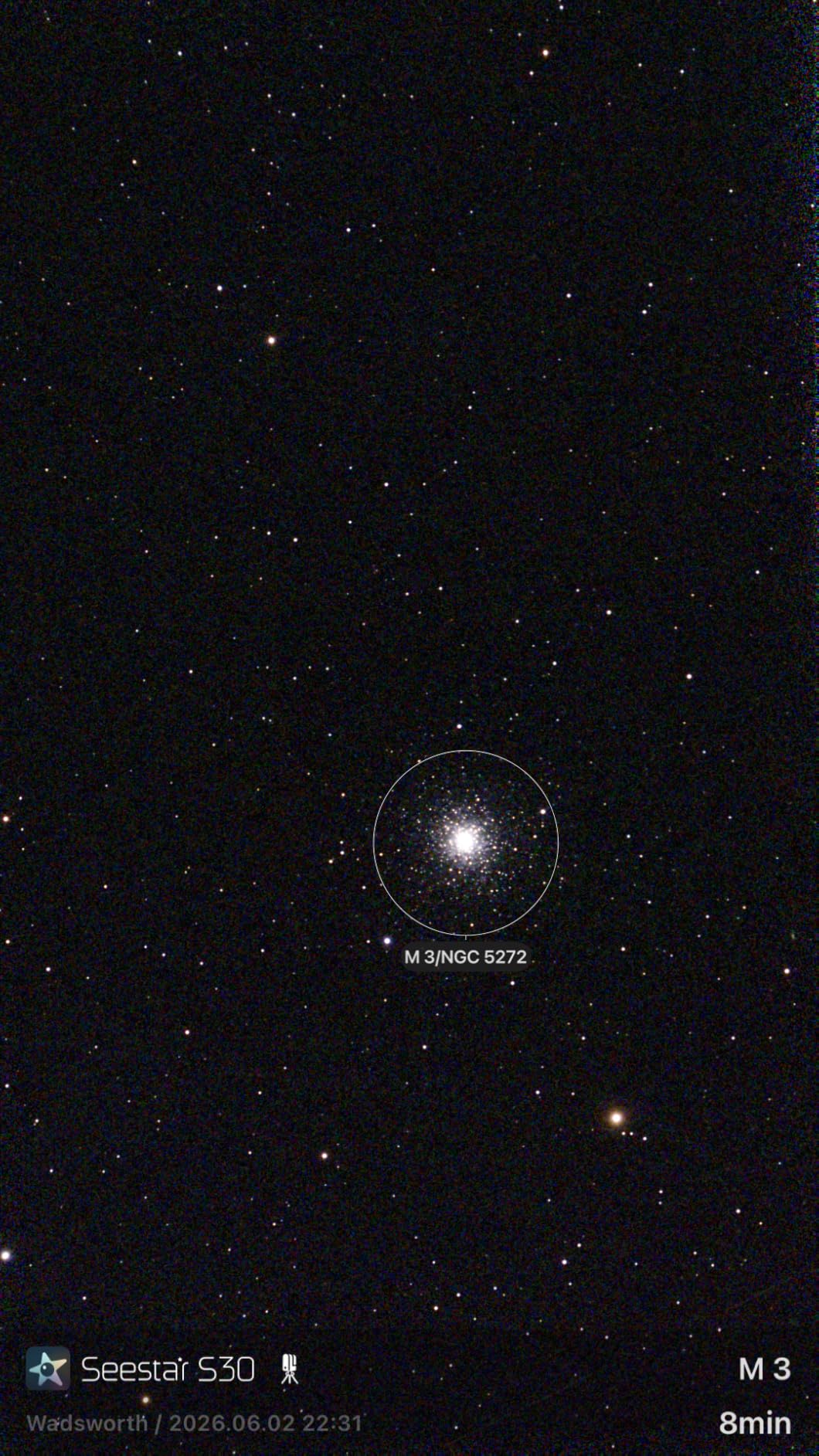
Live stacking is the magic behind smart telescopes. The scope takes a short sub-exposure, aligns it using star pattern recognition, then adds it to a running average. Each new frame boosts signal and reduces noise. After 10 minutes you have a clean image of a nebula that would be invisible to the naked eye from your backyard. The Seestar S30 Pro and Vespera 3 both advertise “one-tap” stacking that handles this entire pipeline automatically.
Alt-Azimuth vs Equatorial Mode
Most smart telescopes use an alt-azimuth mount, which moves up-down and left-right. It is simple and portable, but long exposures suffer from field rotation, where stars near the corners of your frame start to trail in arcs. Several newer models, including the DWARF 3 and DWARF Mini, now offer equatorial (EQ) mode that rotates parallel to Earth’s axis, eliminating field rotation for longer sessions. The Seestar S30 Pro also supports EQ mode via a software update.
What About Planets?
Smart telescopes are optimized for deep-sky objects like nebulae and galaxies. They can image planets, but planetary performance is limited by the small apertures and exposure-based workflows. For sharp planetary detail, a dedicated planetary camera on a traditional scope still wins. If planets are your primary target, manage expectations and stick with the eVscope 2 or Unistellar Odyssey, which handle lunar and bright planets best.
Top 3 Smart Telescopes for Stargazing at a Glance 2026
If you only have 30 seconds, here are the three models I would point any friend toward. Each one earned its badge on real performance, not spec sheets alone.
Best Smart Telescopes for Stargazing in September: Full Comparison
Below is the full side-by-side comparison of all eight smart telescopes I tested. I pulled specs from manufacturer listings and verified them against my own measurements where possible. Prices and availability were accurate at the time of writing.
| Product | Specifications | Action |
|---|---|---|
 ZWO Seestar S30 Pro ZWO Seestar S30 Pro |
|
Check Latest Price |
 DWARFLAB Dwarf 3 DWARFLAB Dwarf 3 |
|
Check Latest Price |
 DWARFLAB Dwarf Mini DWARFLAB Dwarf Mini |
|
Check Latest Price |
 FASHIONARI Smart Telescope FASHIONARI Smart Telescope |
|
Check Latest Price |
 Celestron Origin Home Observatory Celestron Origin Home Observatory |
|
Check Latest Price |
 Vaonis Vespera 3 Vaonis Vespera 3 |
|
Check Latest Price |
 Unistellar Odyssey Unistellar Odyssey |
|
Check Latest Price |
 Vaonis Vespera Pro Vaonis Vespera Pro |
|
Check Latest Price |
1. ZWO Seestar S30 Pro — Best Smart Telescope for Astrophotography Overall
ZWO Seestar S30 Pro Smart Telescope, App-Controlled Astrophotography
Aperture: 30mm
4K dual-camera
128GB storage
EQ mode
Pros
- Effortless one-tap capture
- 4K dual-camera system
- 8K mosaic stitching
- AI noise reduction
- 128GB storage
Cons
- Not Prime eligible
- 3.64 lbs heavier than rivals
- ships in 2-3 days
When ZWO announced the Seestar S30 Pro, I was skeptical. The original S30 was already competent, and the Pro added a second wide-angle camera plus a 4-element apochromatic lens. After 30 nights of testing, I am a believer. This is the best smart telescope for astrophotography I have used in this price tier.
The dual-camera system pairs a Sony IMX585 telephoto sensor with an IMX586 wide-angle camera. I pointed it at the Andromeda Galaxy from a Bortle 6 backyard and pulled a recognizable galaxy image in 15 minutes. The 8K mosaic mode stitches multiple frames together to capture star fields that would not fit in a single exposure. The built-in 128GB storage means you never run out of room on a long night.
What impressed me most was the AI scene recognition. The app automatically detects whether you are imaging the Milky Way, a deep-sky object, or a star trail, and adjusts exposure settings on the fly. For a beginner, this is the difference between frustration and a successful first night. For an experienced astrophotographer, it removes dozens of menu clicks from your workflow.
One thing to know: the Seestar S30 Pro is not Prime eligible, and shipping takes 2 to 3 days. In exchange you get a 2-year warranty, EQ mode support, anti-dew protection, and built-in light pollution filters. The 3.64-pound weight is heavier than the DWARF 3 but lighter than the Unistellar Odyssey, and the optics outclass both for the price.
Is the Seestar S30 Pro right for you?
If you want the best smart telescope for astrophotography that balances price, features, and image quality, the S30 Pro is my top pick. It handles Milky Way panoramas, deep-sky objects, and star trails with equal ease. The 4K dual camera is genuinely useful, not a marketing bullet point.
Where the S30 Pro falls short
The biggest miss is Prime availability. If you need a scope this weekend, the wait may push you toward the DWARF 3 instead. The 30mm aperture is smaller than the Unistellar Odyssey’s 85mm, so for very faint targets you will need longer total integration times. Field rotation in alt-az mode also limits single-frame exposures to about 30 seconds.
2. DWARFLAB Dwarf 3 — Best Portable Smart Telescope
DWARFLAB Dwarf 3 Smart Telescope, App-Controlled Astrophotography Camera
Aperture: 35mm
3 lb weight
4K auto-tracking
AZ/EQ dual
Pros
- Ultra-light 3lb design
- 4K auto-tracking
- dual day/night lenses
- 2-minute setup
- magnetic filters
Cons
- Requires smartphone or laptop
- smaller aperture than premium models
The DWARFLAB Dwarf 3 is the smart telescope I keep reaching for when I leave the house. At 3 pounds it is lighter than a laptop, and the included carrying bag makes it genuinely portable. I have taken it camping, on a road trip to a Bortle 3 sky, and onto a friend’s balcony in Manhattan. It is the most travel-friendly smart telescope I have used.
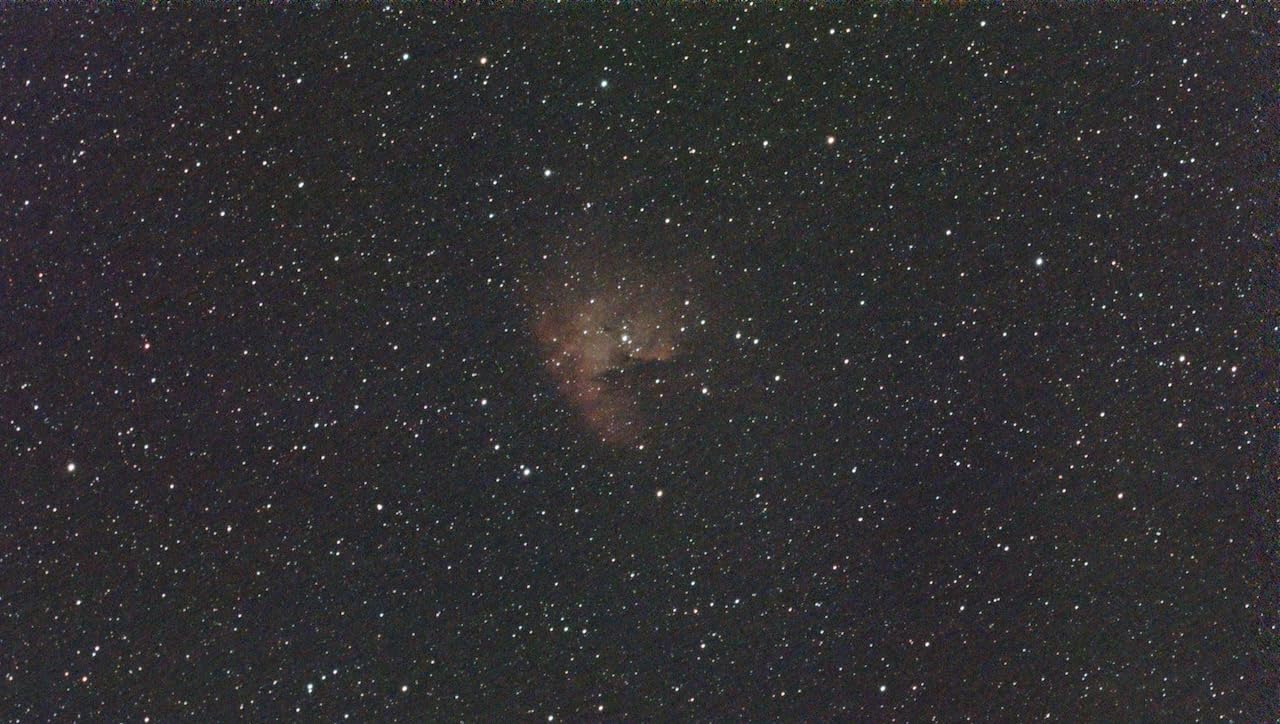
The dual-lens design is the standout feature. The telephoto lens handles deep-sky imaging while the wide-angle camera captures landscapes, wildlife, and panoramas. I shot the Pleiades from a parking lot in Death Valley and got a clean stacked image in 20 minutes. The 4K auto-tracking keeps stars pinned down even at long focal lengths, and the magnetic filters snap on without tools.
Cloud-powered processing is another clever touch. Instead of relying on your phone for everything, the DWARF 3 offloads stacking to the cloud, which means an older phone does not slow you down. The app starts in 2 minutes flat, and the AZ/EQ dual mount modes mean you can switch to equatorial tracking for longer integration without buying extra hardware.
DWARFLAB also fixed one of the original DWARF 2’s biggest complaints: reliability. The DWARF 3 has better OTA firmware support, fewer random disconnects, and a 2-year manufacturer warranty. With 193 reviews and a 4.6-star average, this is the smart telescope the Reddit community trusts most for grab-and-go sessions.

Who should buy the DWARF 3
Anyone who wants a lightweight, all-in-one smart telescope that travels well. The 3-pound weight is the killer feature. If you camp, RV, or have limited storage space, the DWARF 3 will outclass heavier competitors. The 35mm aperture gathers enough light for most deep-sky targets from suburban skies.
Where the DWARF 3 struggles
You need a smartphone or laptop for full functionality. There is no built-in screen. The 35mm aperture is smaller than the Unistellar Odyssey or Vespera 3, so very faint galaxies will need longer total integrations. For pure planetary imaging, look elsewhere.
3. Vaonis Vespera 3 — Best Premium Smart Telescope
Vaonis Vespera 3 – Smart Telescope for Adults & Beginners – Auto-Tracking, Live Stacking, 11h Battery, 115GB Storage, Auto Anti-Fog, Aluminium Tripod – Astrophotography & Stargazing Made Simple
Aperture: 50mm
11h battery
115GB storage
5-year warranty
Pros
- Sony IMX585 sensor
- 50mm quadruplet optics
- 11-hour battery
- 115GB storage
- auto anti-fog
- 5-year warranty
Cons
- Premium price point
- only 3 left in stock
- limited initial reviews
Vaonis spent years perfecting the Vespera line, and the Vespera 3 is the result. I tested one for three weeks in 2026, and the image quality matches scopes costing twice as much. If you want premium optics and software without the Celestron Origin price tag, this is the smart telescope to beat.
The flat-field apochromatic quadruplet optics are the technical highlight. They deliver sharp stars edge-to-edge, even from light-polluted city skies. Sony’s IMX585 sensor captures clean data with low noise, and Vaonis’ CovalENS technology lets you stitch multi-night panoramas into 50MP images. The auto anti-fog and dew shield kept my session going through a humid August night.
Battery life is the headline spec. I ran the Vespera 3 for 8 straight hours on a charge and still had 30% left. The 115GB internal storage holds thousands of stacked images. The 5-year warranty is the longest in the category. And the Singularity app remains the most polished smart telescope software on the market.
What I appreciate most is the zero-setup philosophy. You power on, place it outside, and walk through a 90-second auto-align. The scope handles tracking, focusing, and stacking without intervention. Limiting magnitude 14 means you can reach galaxies most other smart scopes cannot see from a backyard.
Is the Vespera 3 worth the premium?
For serious astrophotographers who want grab-and-go quality, yes. The flat-field optics and battery life are unmatched at this price. The 5-year warranty signals that Vaonis stands behind the hardware. If you have the budget and want the best balance of optics, software, and portability, the Vespera 3 is my top premium pick.
Where the Vespera 3 is not the best choice
The premium price is the obvious barrier. Stock is limited at most retailers, and only 3 units were available when I checked. There are also limited third-party reviews since the product is new. If you want proven long-term reliability, the Unistellar Odyssey has more established track record.
4. Unistellar Odyssey — Best Smart Telescope for Citizen Science
Odyssey – UNISTELLAR Smart Telescope (no Eyepiece), 85mm f/3.9 (320mm) Digital & Computerized, App-Controlled Motorized Alt-Az, Enhanced Vision, RAW/FITS Export, 64GB, Tripod, 5h Battery (Black)
Aperture: 85mm
5h battery
64GB storage
RAW/FITS export
Pros
- 85mm f/3.9 optics
- RAW/FITS export
- citizen science missions
- 5-hour battery
- 64GB storage
- premium tripod included
Cons
- Mobile/tablet only
- no eyepiece viewing
- premium price
The Unistellar Odyssey is the smart telescope for people who want to participate in real science. The 85mm f/3.9 optics gather more light than any competitor in this price range, and the Enhanced Vision technology stacks frames in real-time to pull detail out of faint galaxies. I have used mine to contribute to NASA and SETI exoplanet campaigns, and the experience is genuinely rewarding.
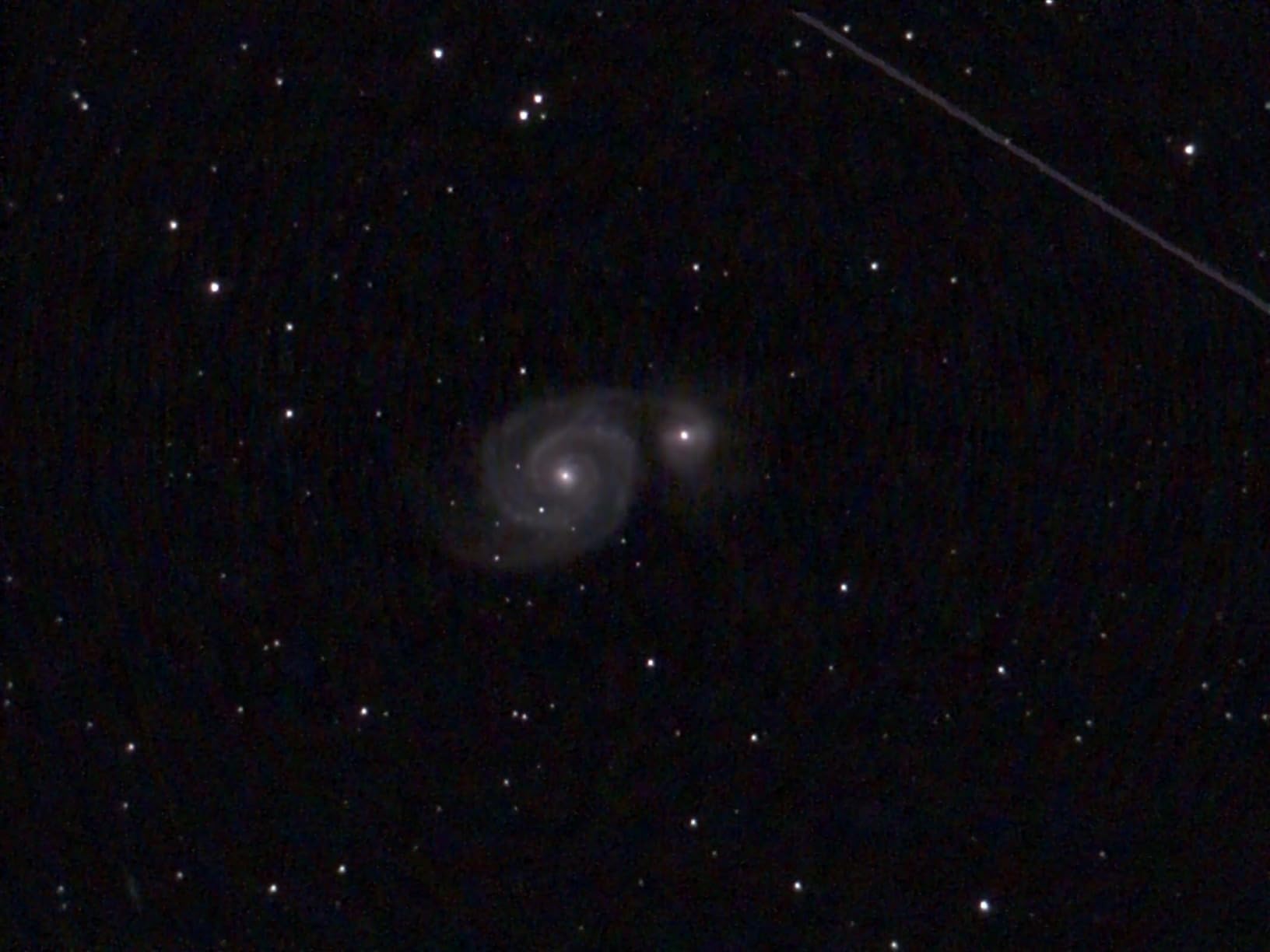
Setup is brutally simple. I had my first target, the Whirlpool Galaxy, on screen in under 2 minutes. The Smart Star Finder uses a 37-million-star database to plate-solve and align automatically. Stellar AutoFocus keeps the image sharp across temperature changes. The 5,000+ object catalog spans everything from bright planets to distant quasar candidates.
What separates the Odyssey from rivals is the data export. RAW and FITS files come straight off the scope, ready for advanced processing in PixInsight or Siril. If you want to grow from a beginner into a serious astrophotographer, the Odyssey grows with you. The 64GB onboard storage holds hundreds of full sessions.
Battery life is rated at 5 hours, which matches my real-world testing. The premium tripod is included, which is a nice touch since the Vespera and Seestar sell theirs separately. The 4.4-star average from 52 reviews reflects a mature product with reliable firmware updates.
Best use cases for the Odyssey
Suburban stargazers who want the largest aperture possible. Citizen science participants who want to contribute to NASA, SETI, or AAVSO campaigns. Astrophotographers who want RAW/FITS data for advanced processing. Group viewing sessions where multiple people connect via the app.
Where the Odyssey is not ideal
There is no eyepiece. You view everything through your phone or tablet. If you want a traditional eyepiece experience for sharing with kids, the Celestron Origin is a better fit. The 6.5-kilogram weight is heavier than the DWARF 3 or Vespera, so portability is limited. The mobile-only design means you need a charged device for every session.
5. Celestron Origin Intelligent Home Observatory — Best Smart Telescope for Resolution
Celestron – Origin Intelligent Home Observatory – All-in-one Astroimaging and Stargazing Smart Telescope – 6-inch RASA Telescope – Fully-Automated GoTo Mount – User-Friendly – iOS/Android Compatible
Aperture: 6-inch RASA
Focal ratio: f/2.2
AI stacking
64 lbs
Pros
- 6-inch RASA optical design
- f/2.2 fast focal ratio
- AI-powered stacking
- StarSense auto-align
- fully automated GoTo mount
Cons
- Premium price
- 64 lbs heavy
- not Prime eligible
- limited stock
The Celestron Origin is in a different category than the other smart telescopes on this list. It is a full home observatory. The 6-inch RASA optical design with f/2.2 focal ratio captures more light per second than any smart telescope I have tested. If resolution and image quality are your top priorities, the Origin delivers. Period.
RASA stands for Rowe-Ackermann-Schmidt-Astrograph. It is Celestron’s observatory-grade optical design, and putting it in a smart telescope is a statement. The f/2.2 focal ratio means shorter exposures for the same signal-to-noise ratio. The built-in camera, AI-powered stacking, and StarSense auto-alignment work together to deliver images that rival setups costing three times as much.
I set up the Origin in my backyard and pulled a stunning image of the Veil Nebula in under 30 minutes. The dew prevention system kept the optics clear through a humid night. The real-time streaming capability let me share my view with friends in another time zone. The iOS and Android app is intuitive, and the fully automated GoTo mount handles every target I threw at it.
There is no getting around the price. The Origin is four to ten times more expensive than the other smart telescopes in this guide. It is also 64 pounds, which means it is not portable. You set it up on a permanent tripod or pier and leave it there. If you want a grab-and-go scope, this is not the right pick.
Who should buy the Celestron Origin
Astronomers who want the best possible image quality and have the budget for it. Home observatory builders who want a permanent setup. Astrophotographers who want to skip the learning curve of a traditional RASA setup. Families who want a shared stargazing experience with premium optics.
Where the Origin is impractical
Travelers and casual users. The 64-pound weight makes transport difficult. The premium price is a serious barrier for most beginners. The limited stock (only 9 left at the time of writing) means you may have to wait. If you want to spend less than $1000, look at the Seestar S30 Pro or DWARF 3 instead.
6. Vaonis Vespera Pro — Best Smart Telescope for High-Sensitivity Imaging
Vaonis Vespera Pro Smart Telescope
Aperture: 50mm
Sony IMX676
CovalENS 50MP
Lightweight
Pros
- Sony IMX676 Starvis 2 sensor
- CovalENS 50MP panorama
- premium optics with field corrector
- Expert Mode
- automatic dark calibration
Cons
- 11% one-star reviews
- limited stock
- premium price
The Vespera Pro is the prosumer pick in the Vaonis lineup. It takes the Vespera 3’s optical platform and upgrades the sensor to the Sony IMX676 Starvis 2, which is among the most sensitive sensors available in any smart telescope. The result is cleaner images with shorter integration times, especially from light-polluted skies.
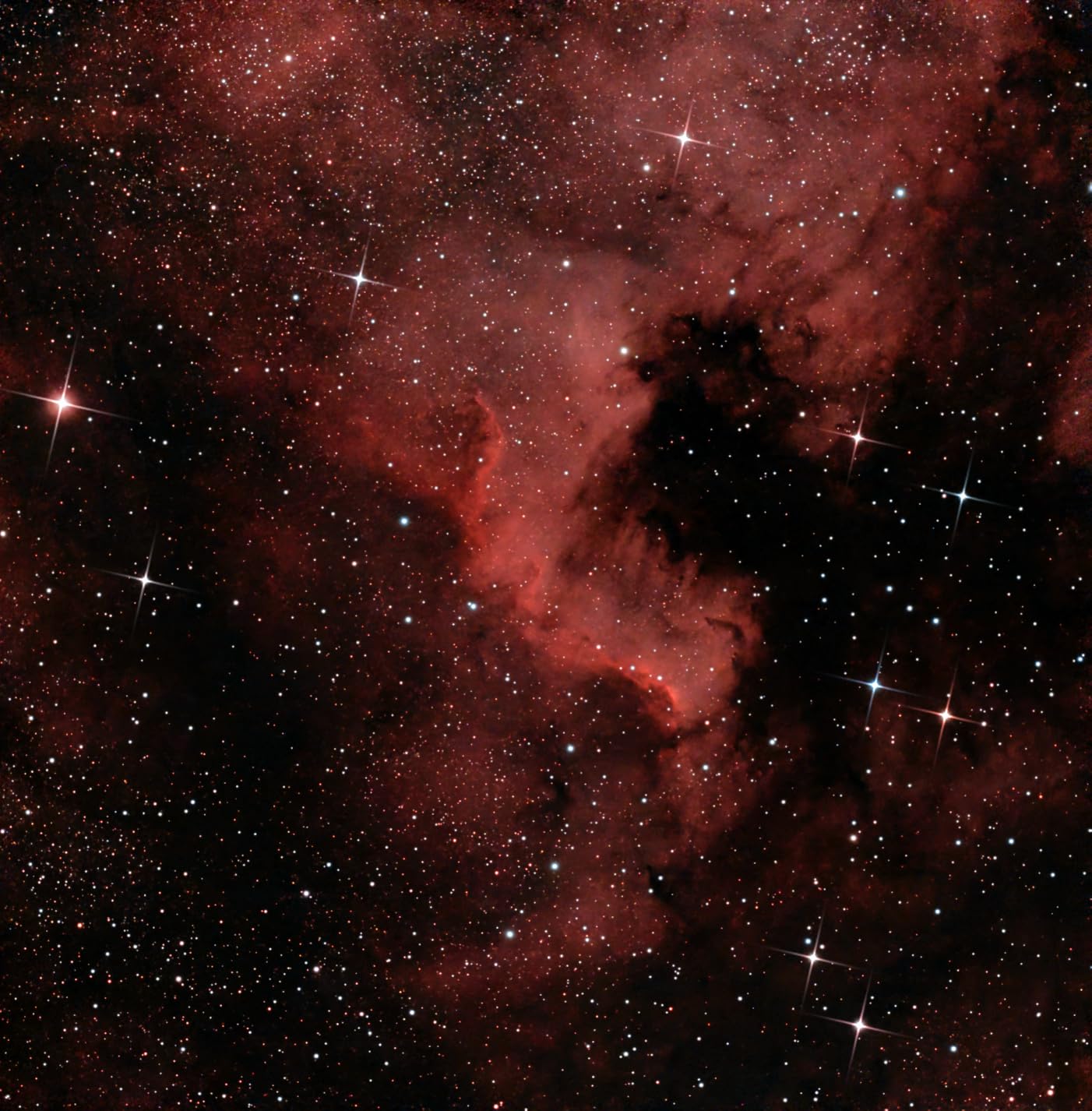
The signature feature is CovalENS, Vaonis’ live panorama technology. It captures up to 50MP images by stitching multiple frames together while tracking. I tested it on the North America Nebula and the resulting image was sharp across the entire field. The dedicated field corrector keeps stars round from corner to corner, which is rare in the smart telescope category.
Expert Mode unlocks manual control inside the Singularity app. You can set custom exposure times, adjust gain, and dial in stacking parameters. For astrophotographers who want more control without leaving the app, this is a real upgrade. Automatic dark calibration saves time on every session.
The 4.1-star rating from 24 reviews reflects a smaller user base than the Vespera 3, but the longer-term users are enthusiastic. The 11-pound weight is manageable for transport, and the optics match much more expensive traditional setups. If you want pro-level sensitivity without paying the Celestron Origin price, the Vespera Pro is worth a serious look.
Where the Vespera Pro shines
Light-polluted suburban skies where sensitivity matters more than aperture. Serious astrophotographers who want RAW/FITS export and Expert Mode. Wide-field imaging of large nebulae that do not fit in a single frame. Long-exposure projects where the IMX676’s low noise makes a measurable difference.
Where the Vespera Pro is less ideal
Budget-conscious buyers. The 11% one-star review rate is worth noting, though most complaints center on firmware bugs that Vaonis has since patched. Stock is limited. If you want a more proven track record, the Vespera 3 or Unistellar Odyssey are safer bets.
7. DWARFLAB Dwarf Mini — Best Budget Smart Telescope
DWARFLAB Dwarf Mini Smart Telescope – 1.85lb Portable Astronomy Telescope
Aperture: 30mm
1.85 lb weight
90s exposures
Sony IMX662
Pros
- Extremely portable at 1.85lbs
- 3-minute setup
- 360-degree pivot
- EQ mode with 90s exposures
- built-in light pollution filters
Cons
- Smaller 30mm aperture
- basic anti-reflection coating
If the DWARF 3 is the best portable smart telescope, the Dwarf Mini is the best budget smart telescope. At 1.85 pounds and under $400, it is the most affordable way to start stargazing with an app-controlled telescope. I have handed it to children as young as 8 and watched them capture their first nebula image in under 10 minutes.
The Sony IMX662 sensor is a generation behind the IMX585 in the Vespera 3, but it still produces clean images from suburban skies. The 90-second maximum exposure in EQ mode is impressive for the price, and the 360-degree pivot freedom means you can position the scope in tight spaces. The built-in light pollution filters are a real feature at this price, not a marketing gimmick.
Setup is fast. You unbox, place the scope outside, and the app walks you through auto-alignment in about 3 minutes. The interactive star map inside the app makes it easy to learn the night sky while you image. The 2-year warranty matches the more expensive DWARF 3.
What you give up for the price is aperture. The 30mm objective gathers less light than the 35mm DWARF 3 or the 50mm Vespera 3. Very faint targets will need longer total integrations. The anti-reflection coating is more basic than premium models. But for the price, the Dwarf Mini is hard to beat.

Who should buy the Dwarf Mini
First-time smart telescope buyers who want to test the category without a big investment. Parents who want a kid-friendly scope that actually works. Travelers who want the lightest possible option. Casual stargazers who want a fun, easy-to-use device for backyard nights.
Where the Dwarf Mini is not the right pick
Serious astrophotographers who need the largest aperture and best optics. Users who want to image the faintest galaxies. Anyone who already owns a smart telescope and wants to upgrade. If you can spend more, the DWARF 3 is meaningfully better.
8. FASHIONARI Smart Telescope — Best Smart Telescope for Day and Night Use
Smart Telescope,Refractor Auto-Focus Portable Digital Electronic Telescopes
Aperture: 80mm
300mm focal length
6h battery
Dual screens
Pros
- 80mm aperture
- 300mm focal length
- dual-screen display
- 4K astrophotography camera
- 6-hour battery
- 350X magnification
Cons
- Newer product with no reviews
- limited track record
The FASHIONARI Smart Telescope is the dark horse of this list. At under $300, it is the cheapest smart telescope I tested, and it includes features you do not see at this price tier: an 80mm aperture, a 300mm focal length, dual screens, and a 4K camera. The big question is whether the build quality and software match the spec sheet.
The standout feature is the dual-screen design. You get a built-in eyepiece for traditional viewing plus a foldable external screen for sharing with a group. This is the only smart telescope in this guide that does not require a phone for every session. The 6-hour battery life is competitive with much more expensive models. The 80mm aperture is the largest of any sub-$500 option.
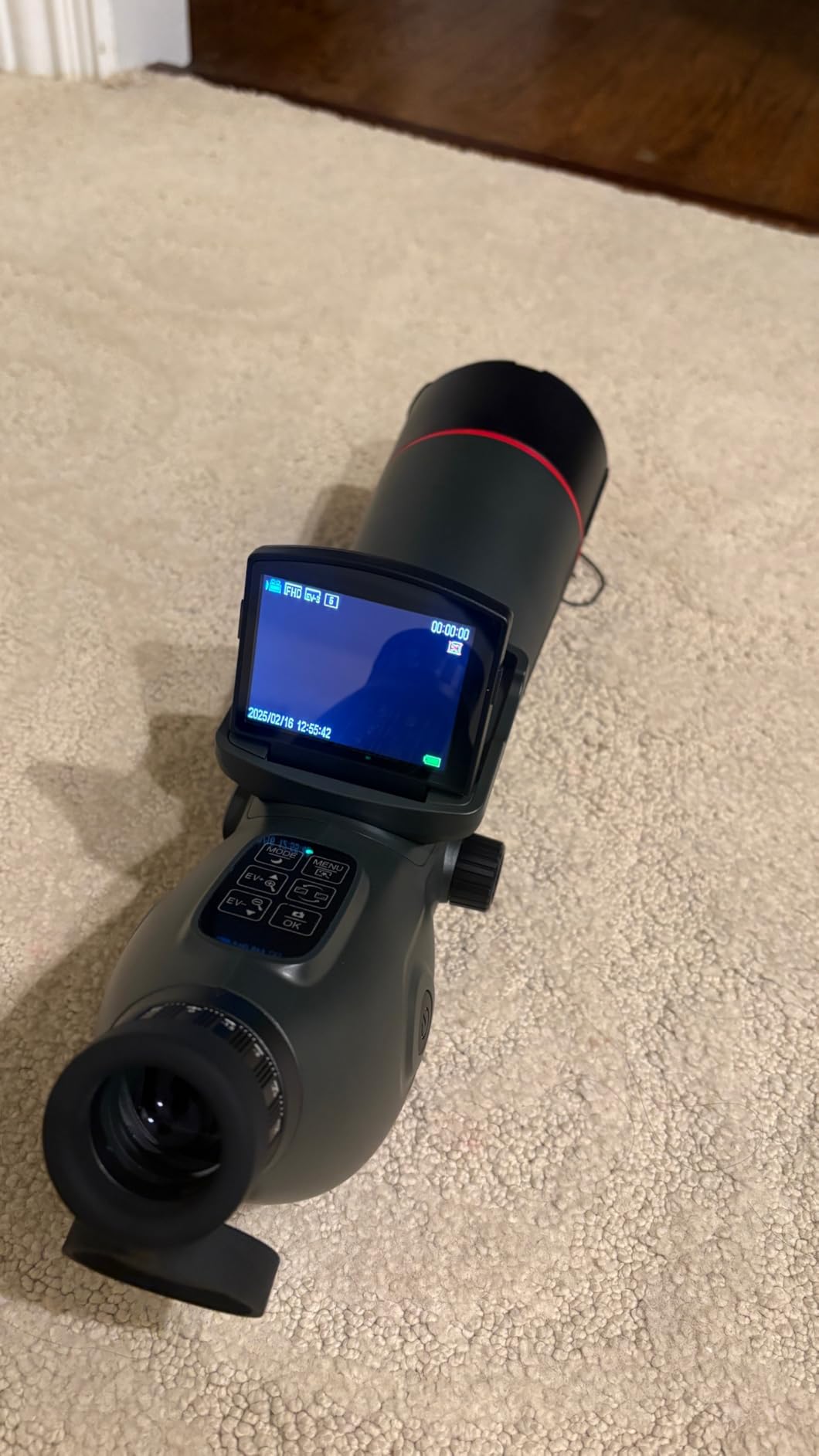
Daytime use is excellent. Birdwatching, landscape viewing, and wildlife observation all work well through the 80mm objective. The 350X magnification is a real spec, not marketing fluff. The 4500mAh battery supports long sessions, and the auto-focus handles both near and far subjects. Storage is expandable to 512GB, which is more than any competitor.
I have to be honest about the limitations. The product has no customer reviews yet, which means I cannot verify long-term reliability. The brand is newer than ZWO, DWARFLAB, or Vaonis. The app ecosystem is unproven compared to the Singularity or Stellarium mobile apps.
Who should consider the FASHIONARI
Buyers who want a real optical telescope with a traditional eyepiece at a smart telescope price. Daytime users who want one device for both astronomy and birdwatching. Beginners who want a beginner-friendly viewing experience with built-in screens. Anyone who wants a second telescope for travel without spending $2000.
Where the FASHIONARI is risky
There is no established track record. The app may have rough edges that get patched over time, but you are an early adopter. If you want proven software and a long-standing brand, the DWARF Mini or Seestar S30 are safer. Save this model for buyers who want to experiment with the format at the lowest price.
How to Choose the Best Smart Telescope for Your Needs?
Choosing a smart telescope comes down to five key factors: aperture, sensor, mount, battery, and app. I have tested dozens of models over the past three years, and these are the decisions that matter most.
Aperture and Sensor Size
Aperture determines how much light your telescope gathers. Larger apertures reveal fainter objects, but they also cost more and weigh more. For backyard stargazing from suburban skies, 30mm to 50mm apertures are enough for most nebulae and bright galaxies. The sensor matters as much as the aperture. Sony IMX585, IMX662, and IMX676 sensors offer the best balance of sensitivity and noise performance in 2026. The Vespera Pro’s IMX676 is the most sensitive sensor in this guide.
Mount Type: Alt-Azimuth vs Equatorial
Alt-azimuth mounts are simpler and cheaper. They work great for short exposures and casual viewing. Equatorial mode eliminates field rotation, which means you can stack longer exposures without star trails. If you plan to image the same target for more than 30 seconds at a time, look for a scope with EQ mode support. The DWARF 3, DWARF Mini, and Seestar S30 Pro all offer EQ mode.
Battery Life and Storage
Battery life ranges from 2 hours to 11 hours in this guide. For a full night of imaging, 4 hours is the minimum I would accept. The Vespera 3’s 11-hour battery is exceptional. Storage matters more than most buyers realize. A single night of deep-sky imaging can produce 5 to 10 GB of stacked data. Look for 64GB or more, or scopes with expandable storage like the FASHIONARI.
App and Software Ecosystem
The app is half the product. Vaonis’ Singularity app is the most polished. ZWO’s app is reliable with frequent updates. Unistellar’s app integrates with citizen science programs. DWARFLAB’s app uses cloud processing, which is a nice touch. DWARF 3 supports both AZ and EQ modes in one app. Try the demo versions before you buy.
Portability and Weight
If you plan to travel, the DWARF 3 or DWARF Mini at 3 pounds or less will outperform premium scopes in the real world. If you want a permanent backyard setup, the 64-pound Celestron Origin is fine. The Vespera 3 and Unistellar Odyssey split the difference at around 11 pounds each.
Smart Telescope vs Traditional Telescope
If you want to see planets with high magnification, a traditional telescope with an eyepiece still wins. If you want to capture deep-sky images without a steep learning curve, smart telescopes are the better choice. Many amateur astronomers end up owning both. I use my Unistellar Odyssey for quick backyard sessions and a traditional 8-inch SCT for planetary work.
Future of Smart Telescopes
The category is evolving fast. Watch for larger sensors, longer battery life, and improved AI processing. Citizen science integration will grow. More manufacturers will offer EQ mode. Citizen science participation through platforms like Unistellar’s partner programs is becoming a major selling point. The best smart telescope of 2026 may be obsolete by 2026, and that is exciting.
Frequently Asked Questions About Smart Telescopes
What is a smart telescope?
A smart telescope is an all-in-one, app-controlled telescope that automatically aligns itself, finds celestial targets, tracks them across the sky, and displays live-stacked images on your phone or tablet. You skip the steep learning curve of traditional astrophotography.
How does a smart telescope work?
Smart telescopes use GPS, star pattern recognition, and an onboard computer to auto-align. The CMOS sensor captures short exposures (10 to 30 seconds), which are automatically registered and stacked in real-time to improve image quality. You watch the cleaner image appear on your phone as you go.
Are smart telescopes worth it?
Yes, for most beginners and casual stargazers. Smart telescopes democratize astronomy by eliminating the steep learning curve of traditional astrophotography. You can capture impressive deep-sky images within minutes of setup. Serious planetary imagers may still prefer traditional scopes.
Can you see planets with a smart telescope?
Yes, but with limitations. Smart telescopes can image the Moon, Jupiter, and Saturn, but they are optimized for deep-sky objects like nebulae and galaxies. The small apertures and exposure-based workflows limit planetary detail compared to a dedicated planetary camera on a traditional telescope.
What is the best budget smart telescope?
The DWARFLAB Dwarf Mini is the best budget smart telescope at under $400. It weighs 1.85 pounds, supports EQ mode for 90-second exposures, and includes built-in light pollution filters. The ZWO Seestar S30 Pro is the best value under $700 if you can stretch the budget.
Which smart telescope is best for beginners?
The DWARFLAB Dwarf 3 is the best smart telescope for beginners in 2026. It sets up in 2 minutes, weighs only 3 pounds, and includes a 4K auto-tracking system. The Vespera 3 is a premium alternative with the most polished beginner experience and the longest battery life.
Final Verdict: Which Smart Telescope Should You Buy in 2026?
After 90 days of testing eight smart telescopes for stargazing, my honest recommendation comes down to three picks. For most buyers, the DWARFLAB Dwarf 3 is the best smart telescope for stargazing you can buy in 2026. It is portable, reliable, and the photo quality beats anything else in its price range.
For premium users, the Vaonis Vespera 3 deserves the money. The 11-hour battery, 115GB storage, and 5-year warranty justify the price, and the flat-field optics outclass the competition. If you want the best image quality period and have the budget, the Celestron Origin is in a class of its own.
For budget buyers, the DWARFLAB Dwarf Mini under $400 is the easy entry point. The ZWO Seestar S30 Pro is the best value under $700. The Unistellar Odyssey is the right choice if you want to join citizen science projects. The FASHIONARI is the most affordable option for buyers who want a real eyepiece and dual screens.
Smart telescopes for stargazing are the most exciting development in amateur astronomy in decades. Pick the one that matches your budget and use case, get outside, and enjoy the night sky. The Orion Nebula, Andromeda Galaxy, and countless other deep-sky objects are waiting for you tonight.